Training our Eyes, Minds and Hearts: Visual Thinking Strategies for Health Care Professionals
- Continuing Education
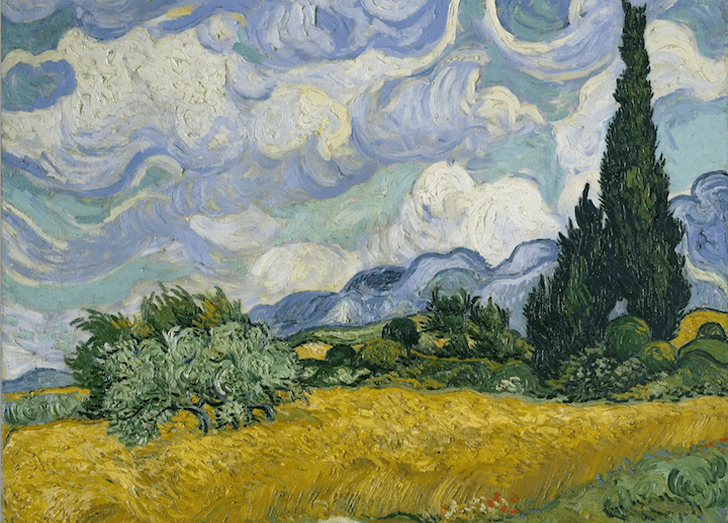
Acquire transformative, evidence-based tools for enhancing patient care, teamwork, and personal well-being in this immersive, accredited course led by experts from Harvard Medical School and Dana-Farber Cancer Institute.
- Live Online
This course is taught online in real time.
Additionally, all sessions will be recorded and made available to participants for online viewing for 90 days after the end of the course.
$4,295
This is the standard price, for a full list of profession pricing see below.
View All
Continuing Education
Earn up to:
33.00 AMA PRA Category 1 Credit(s) ™
33.00 ANCC contact hours
View All
All evaluations and credit claims must be completed within 60 days of the course end date.
6 Months, 2 Sessions Per Month
Please view the Schedule for a full description of the program.
On This Page
Overview
This course, the first accredited continuing education activity of its kind, trains health care professionals at all levels to facilitate and apply Visual Thinking Strategies (VTS) techniques and mindsets in classrooms, meetings, clinics, and hospitals. Learning and applying VTS strengthens humanistic and analytic competencies and can transform medical education, patient care, teamwork, equity, and professional growth. Due to the highly experiential nature of this course, we strongly recommend participants attend the majority of classes in real time.
VTS is a methodology for leading and participating in discussions about complex, ambiguous materials like visual art. Developed in art museums, it has spread to education, health care, and the business world. Harvard Medical School's course, Training the Eye: Improving the Art of Physical Diagnosis, pioneered the application of VTS within medical education in 2004, and the method is now applied at more than thirty medical schools. Peer-reviewed studies demonstrate that VTS helps health care educators and providers hone observation, critical thinking, and active listening skills; develop tolerance for uncertainty; foster empathic communication, psychological safety and respect; facilitate difficult conversations; surface assumptions and biases; and cultivate a reflective practice of mindfulness and self-compassion.
Learning to facilitate VTS discussions effectively and fluidly requires practice and feedback over time and combines inner and outer work; therefore, a crucial aspect of the course is its longevity and serial practice sessions. For part of every class session, we will practice VTS in small, inter-professional breakout groups, each with an expert VTS coach, to deepen community, self-awareness, and peer feedback skills. Each course participant will have multiple opportunities for practice. They will develop reflective capacities, using their deepening VTS skills to emphasize growth, self-awareness, and flexibility. As the course progresses, we will use VTS to look at art, data sets, medical images, plans, patients, and more.
Each session will also focus on a theme. The course connects the skills and mindsets of VTS to key topics in health care and helps learners make direct connections to improving their own professional practices, contexts, and programs. Themes include the following: cognition, empathic communication, bias mitigation, conversations across difference, psychological safety, clinical applications, and facilitative leadership.
In addition to becoming a proficient VTS facilitator, participants will develop a final project detailing how they will implement VTS in their professional work going forward that includes: needs assessment, goals and objectives, and implementation and evaluation strategies, with an option for ultimately contributing to the field though publication. Students may apply for VTS@Work® certification after completion of the course.
Learning Objectives
- Recognize the relevance and value of VTS for workplace application and be able to communicate that value to colleagues.
- Critically reflect on their own thinking patterns, values, assumptions, and mindsets.
- Practice the basics of image selection.
- Propose a plan to build a partnership with an Art Museum.
- Present a well-reasoned plan to improve education and/or clinical care that their own institution.
- Develop a network of interprofessional colleagues who can provide support for future work in this field.
Developed and Offered By:

Continuing Education courses are developed by faculty from Harvard Medical School's teaching hospitals and accredited by Harvard Medical School. This course is offered by Dana-Farber Cancer Institute.

Who Should Participate
Primary Care Physicians, Specialty Physicians, Nurses, Nurse Practitioners, Pharmacists, Physician Assistants, and Psychologists.
Schedule
All agenda sessions are in Eastern Time.
Wednesday, October 7, 2026
Welcome Remarks
11:00-11:05 am
The Art of Medicine
11:05-11:35 am
Intro to Personal Response Tour and Each Other
11:35-11:50 am
Course Overview
11:50 am-12:00 pm
Break
12:00-12:05 pm
Introduction to the Visual Thinking Strategies
12:05-1:05 pm
Practice Breakouts
1:05-1:45 pm
Faculty Q&A, Reflection on VTS Structure
1:45-2:00 pm
Wednesday, October 21, 2026
Thinking and VTS
11:00 am-12:00 pm
VTS and Power of Paraphrasing: Intro and Expert VTS Demonstration
12:00-12:10 pm
Break
12:10-12:15 pm
Practice Breakouts
12:15-1:45 pm
Thinking in Action
1:45-2:00 pm
Wednesday, November 4, 2026
VTS and Thinking within Clinical Care, including Discussing Bias Mitigation, Navigating Ambiguity, Promoting Inquiry, and the Range of Types of Thinking Crucial to Care and Teamwork within Health Care.
11:00-11:15 am
Faculty-led Expert VTS Facilitation and Reflection (possibly in breakouts, depending on number of students)
11:15-11:45 am
Faculty-led Discussion on Thinking and VTS: What Are the Thinking Behaviors and Techniques Valued In Your Work? What Are the Thinking Behaviors and Techniques Supported In Your Work? How Does VTS Support Valued Ways of Thinking?
11:45-11:55 am
Break
11:55 am-12:00 pm
Practice Breakouts
12:00-1:35 pm
Faculty Presentation: Introduction to Kerns Model for Curriculum Development and the Prism Model
1:35-2:00 pm
Wednesday, November 18, 2026
Storytelling for Social Change: Drawing on the Arts to Improve and Promote Health Care
11:00-11:40 am
What Is Empathy? Empathic Communication? Introduction to Dr. Helen Riess's Seven Keys of E.M.P.A.T.H.Y.
11:40-11:55 am
VTS Demo: Focus on 7 Keys of Empathy and Q2
11:55 am-12:15 pm
Faculty-led Discussion on Empathic Communication and VTS: Why/When is Empathic communication important in your workflow? How does VTS Support Empathic Communication?
12:15-12:30 pm
Break
12:30-12:35 pm
Practice Breakouts
12:35-1:35 pm
Guidelines for Image Selection
1:35-2:00 pm
Wednesday, December 2, 2026
What Is Teaming and Psychological Safety? What Is the Impact of Psychological Safety On Inter-professional Teams and Workplace Outcomes: Diagnostic Accuracy, Innovation, and More?
11:00-11:40 am
Faculty-led Discussion On Psychological Safety and VTS: How Do You Experience a Culture That Is Not Psychologically Safe? How Do You Experience A Culture that is? How Can Leaders and Teams Create This Environment? How Does VTS Support Psychological Safety?
11:40-11:55 am
Break
11:55 am-12:00 pm
Practice Breakouts
12:00-1:30 pm
Faculty-led Small Breakouts About How To Apply VTS Techniques In Their Respective Fields With A Focus On Psychological Safety
1:30-2:00 pm
Wednesday, December 16, 2026
Cultivating Multiple Perspectives
11:00 am-12:00 pm
Discussion on Multiple Perspectives and How VTS Can Help Promote a Deeper Understanding of Economic and Social Disparities in the Workplace and Clinical Interactions, Diagnostic Processes and with Hospital Teams
12:00-12:15 pm
Break
12:15-12:20 pm
Practice Breakouts
12:20-1:20 pm
Image Selection, Pt. 2: Thematic Connections
1:20-2:00 pm
Wednesday, January 13, 2027
Conversations Across Difference
11:00-11:20 am
Group Discussion and Expert Modeling: How Might VTS Support Conversations Across Difference
11:20 am-12:00 pm
Break
12:00-12:05 pm
Practice Breakouts
12:05-1:35 pm
Faculty-led Small Groups On Conducting A Targeted Needs Assessment
1:35-2:00 pm
Wednesday, January 27, 2027
Creating Partnerships With Museums
11:00 am-12:00 pm
Break
12:00-12:05 pm
Practice Breakouts
12:05-1:30 pm
Faculty Q&A: VTS Techniques, Mindsets, and Applications
1:30-2:00 pm
Wednesday, February 10, 2027
Presentation: Introduction to Facilitative Leadership
11:00-11:10 am
Faculty Demo of VTS With Narrative Prompt Focused On Self Compassion
11:10-11:35 am
Introducing Narrative Prompts
11:35-11:50 am
VTS and Facilitative Leadership
11:50 am-12:05 pm
Break
12:05-12:10 pm
Following Up A VTS conversation: The Role of Reflection
12:10-12:25 pm
Practice Beakouts
12:25-1:30 pm
Setting Learning Goals and Objectives
1:30-2:00 pm
Wednesday, February 24, 2027
Faculty Demo: VTS and Mindfulness
11:00-11:30 am
Practice Sessions
11:30 am-12:55 pm
Break
12:55-1:00 pm
VTS and Compassionate Leadership
1:00-2:00 pm
Wednesday, March 10, 2027
Breakouts: Applying VTS To Your Practice
11:00 am-12:45 pm
Break
12:45-12:50 pm
Faculty-led Expert VTS Facilitation
12:50-1:15 pm
Faculty-led Discussion: Building A Community of Practice
1:15-1:45 pm
Faculty-led Final Reflections
1:45-2:00 pm
Schedule Descriptions
Faculty
Harvard Medical School Continuing Education attracts the best and brightest faculty from all around the world. As a student in this course, you’ll have access to outstanding course directors and faculty.
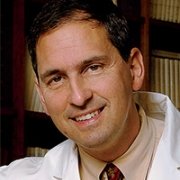
Joel Katz, MD, MACP
Course Director
- Vice Chair for Education, Marshall A. Wolf Distinguished Chair in Medical Education
- Senior Vice President for Education, Dana Farber Cancer Institute
- Associate Professor of Medicine, Harvard Medical School

Dabney Hailey, MA
Course Director
- Founder and Principal of Hailey Consulting Group
- Co-Founder, VTS@Work®
- Co-Director of the HMS course, Training the Eye: Improving the Art of Physical Diagnosis
- Lecturer, MIT Sloan School of Management

Corinne Zimmermann, MA, MEd
Course Director
- Founding Co-Director, Harvard Macy Art Museum-Based Health Profession Education Fellowship
- Co-Founder, VTS@Work®
- Co-author, Activating the Art Museum: Designing Experiences for the Health Professions
- Corinne Zimmermann Consultancy, LLC
- Certified Professional Co-Active Coach (CPCC)
Neal Baer, MD
Co-Director, Master of Science in Media, Medicine, and Health, Co-Director, Media and Medicine Certificate of Completion Program
Executive Producer and Showrunner, Designated Survivor, NetflixMedia Program Co-Director
Kamna Balhara, MD, MA
Associate Professor of Emergency Medicine
Associate Professor of Medicine, Science and Humanities, Zanvyl Krieger School of Arts and Sciences
Co-Director, Health Humanities at Hopkins Emergency Medicine, Johns Hopkins University
Brooke Digiovanni Evans, MEd
Concentration in Learning and Teaching; Certificate in Non-Profit Management and Leadership
Co-Founder and Director of Center for Visual Arts in Healthcare Program, Brigham and Women's Hospital
Sarah Milla, MD, FAAP
John D Strain Endowed Chair in Radiology, Children's Hospital Colorado
Professor of Radiology and Pediatrics, University of Colorado School of Medicine
Adjunct Faculty, University of Colorado Center for Bioethics and Humanities
Shari Tishman, PhD
Senior Research Associate & Principal Investigator, Project Zero, Harvard Graduate School of Education
Ray Williams, MA, MEd
Director of Education and Academic Affairs, The Blanton Museum, University of Texas, Austin
Margaret S. Chisolm, MD
Professor of Psychiatry and Behavioral Sciences and Professor of Medicine
Author of 2022 Nautilus Book Award winner, From Survive to Thrive: Living Your Best Life with Mental Illness
Director, The Paul McHugh Program for Human Flourishing
Member, Miller Coulson Academy of Clinical Excellence, Johns Hopkins University School of Medicine
Michelle Grohe, MA, PhD
Senior Consultant, Hailey Group
Art Museum Educator and Consultant.
Dabney Hailey, MA
Founder and Principal, Hailey Group
Co-Founder, VTS@Work®
Co-Director of the HMS course, Training the Eye: Improving the Art of Physical Diagnosis
Sara E. Hart, PhD, RN
Professor (Clinical), Health Systems and Community-based Care
Senior Faculty Associate for Education, Family Caregiving Collaborative
Fellow, Academy of Health Sciences Educators
John David Ike, MD, MSc
Assistant Professor of Medicine, Dept. of Medicine (Hospital Medicine)
Faculty Associate, Trent Center for Bioethics, Humanities, & History of Medicine
Duke University School of Medicine
Joel Katz, MD, MACP
Vice Chair for Education, Marshall A. Wolf Distinguished Chair in Medical Education, Director, Internal Medicine Residency Program, Brigham and Women's Hospital
Associate Professor, Harvard Medical School
Anson Koshy, MD, MBE
Associate Professor of Pediatrics
Chief, Division of Developmental Pediatrics
Children’s Hospital of Richmond at VCU
Kate Milazzo, MSEd
Course Manager, Training Our Eyes, Minds and Hearts: VTS for Healthcare Professionals; Project Coordinator, Bridging Visual Arts & Healthcare: Impact, Innovation, Research; Teaching Artist, Consultant and Curriculum Designer
Corinne Zimmermann, MA, MEd
Founding Co-Director, Harvard Macy Art Museum-Based Health Profession Education Fellowship
Co-Founder, VTS@Work®
Co-author, Activating the Art Museum: Designing Experiences for the Health Professions
Consultant and Professional Coach
Medical Education Learning Opportunities
Learning Opportunity *Harvard Macy Program | Format | Duration | Audience |
|---|---|---|---|
| *Program for Educators in Health Professions | Live Online and in-person | 7 months | Emerging education leaders in the health professions |
| Training to Teach in Medicine | Live Online | 6 months | Clinician educators at all stages |
| *Technology and AI: Transforming Health Professions Education | Live Online | 8 weeks | Health professions educators at all career stages |
| *Leading Innovation in Health Care and Education | In-Person | 6 days | Health professions educators and leaders at all career stages |
| *Assessment and Evaluation: Systems Thinking in Health Professions Education | Live Online | 5 days | Health professions educators and leaders at all career stages |
| Principles of Medical Education: Maximizing Your Teaching Skills | Live Online | 3 days | Medical educators at all career stages |
Request Information
Interested in learning more about this program? Sign up for details.
Course Fees
Registration Details
You may register through our secure online environment and will receive an email confirmation upon receipt of your payment. Prices include CME credit, electronic syllabus, and access to some recordings for 90 days after the course.
At the end of the registration process, a $10 non-refundable processing fee will be added to your registration.
| Role | Course Fee |
|---|---|
| Physician (MD/DO) | $4,295 |
| Nurse (RN/APRN) | $4,095 |
| PA | $4,095 |
| Psychologist | $4,295 |
| Resident / Fellow | $4,095 |
| Social Worker | $4,095 |
| Allied Health Professional / Other | $4,295 |
Accreditation

The Harvard Medical School designates this live activity for a maximum of 33.00 AMA PRA Category 1 Credit(s)™. Physicians should claim only the credit commensurate with the extent of their participation in the activity.
Harvard Medical School designates this live activity for a maximum of 33.00 ANCC contact hours.
The National Commission on Certification of Physician Assistants (NCCPA) states that AMA PRA Category 1 Credits™ are acceptable for continuing medical education requirements for recertification. We would also suggest that learners check with their state licensing board to ensure they accept reciprocity with AMA PRA Category 1 Credit™ for re-licensure.
The Royal College of Physicians and Surgeons of Canada recognizes conferences and workshops held outside of Canada that are developed by a university, academy, hospital, specialty society or college as accredited group learning activities.
The American Medical Association (AMA) has an agreement of mutual recognition of continuing medical education (CME) credit with the European Union of Medical Specialists (UEMS). Additional information regarding this agreement may be found on the Union of European Medical Specialists website.