
Laser & Aesthetic Skin Therapy: What's the Truth?
- Continuing Education
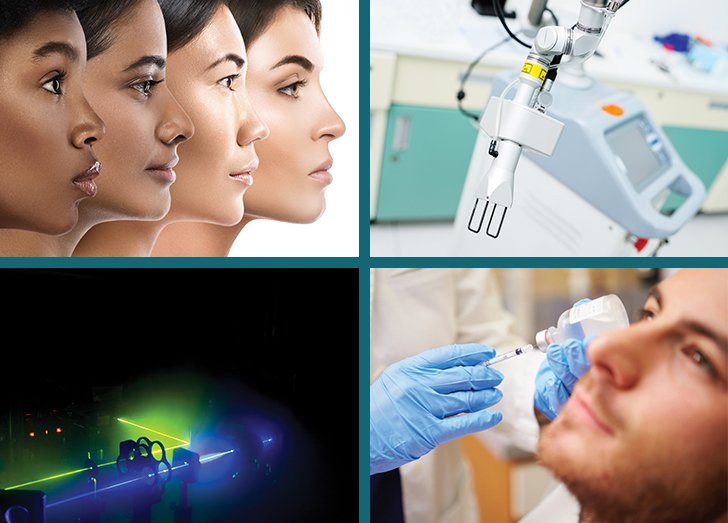
Laser & Aesthetic Skin Therapy: What’s the Truth? offers a rigorous, evidence-based review of contemporary laser and aesthetic skin therapy. This non-industry-sponsored CME activity critically examines established treatments and emerging technologies, emphasizing safe practice standards, complication prevention, and responsible integration of new devices and injectables. Participants will leave with refined clinical judgment, improved procedural confidence, and practical strategies to optimize patient care across diverse populations.
- In Person
In-Person CME Experience | Limited Enrollment
The Royal Sonesta Boston | 40 Edwin H. Land Blvd., Cambridge, MA 02142
$1,899
Continuing Education
Earn up to:
AMA PRA Category 1 Credits™: 15.00
Risk Management: Opioid Education and Training: 2.50
Two Days
Please view the schedule for a full description of the program.
On This Page
Overview
A Practical, Evidence-Based Update for Today's Aesthetic Physician
Keeping pace with rapid advances in laser and aesthetic skin therapy has become increasingly complex for today’s physicians. Growing patient demand, expanding device options, and evolving treatment paradigms require physicians to make informed, evidence-based decisions that prioritize safety, effectiveness, and long-term outcomes.
This highly rated CME course provides a comprehensive, unbiased update on laser and aesthetic skin therapy. Designed specifically for practicing physicians, the program emphasizes practical application, patient safety, and critical evaluation of current and emerging technologies—grounded in peer-reviewed data, consensus guidelines, and long-term safety outcomes—free from commercial influence.
What’s New in 2026?
More than 40 expert-led lectures, demonstrations, and interactive discussions
- Comprehensive coverage of lasers, energy-based devices, injectables, and emerging technologies
- Practical guidance on laser safety, complications, and legal considerations
- Dedicated sessions on skin of color, scarring, rejuvenation, and body contouring
- Open “Ask Me Anything” forum for candid discussion of devices and injectables
- Intensive workshop on soft tissue fillers and botulinum toxins with video demonstrations
This course equips physicians to:
- Improve patient selection and treatment planning for laser and aesthetic procedures
- Apply safe practices and identify appropriate clinical endpoints for energy-based devices
- Reduce complications and recognize common errors in laser and injectable treatments
- Evaluate the risks and benefits associated with dermal fillers and neuromodulators
- Integrate new and emerging technologies into clinical practice responsibly
- Navigate ongoing controversies and evolving standards in aesthetic medicine
- Critically interpret peer-reviewed evidence and consensus guidelines to inform clinical decision-making
- Evaluate long-term safety data and real-world outcomes when integrating new technologies
Learning Objectives
- Identify safe practices of laser surgery therapy and its role in clinical practice.
- Evaluate potential complications and mistakes when using lasers for aesthetic procedures.
- Outline appropriate treatment modalities and duration of action required for laser and dermal filler injections that minimize complications and deliver optimal patient outcomes.
- Assess the risks and benefits involved in performing dermal filler injections.
- Analyze controversies in the field of laser surgery and aesthetic skin therapy.
- Summarize new and emerging technologies in laser and aesthetic skin therapy.
Developed and Offered By:
Continuing education courses are developed by faculty from Harvard Medical School’s teaching hospitals and are accredited by Harvard Medical School. This course is offered by Massachusetts General Hospital Department of Dermatology and Wellman Center for Photomedicine.

Who Should Participate
- Dermatologists
- Plastic surgeons
- Facial Plastic Surgeons
- Ophthalmologists
- Obstetrician-Gynecologists
- Physicians who practice or plan to incorporate laser and aesthetic skin therapies into their clinical practice
Schedule

WORKSHOP ON SOFT TISSUE FILLERS AND BOTULINUM TOXINS
This intensive and highly interactive workshop provides a comprehensive overview of cutting edge techniques for neurotoxin and soft tissue fillers. Our expert faculty will review up-to-date techniques and recent advances for anatomy-guided neurotoxin injections. An emphasis will be placed on evaluating and addressing facial aging in the upper, middle and lower third of the face with video demonstrations. The importance of recognizing and treating complications, including the management of vascular occlusions, will be highlighted. You will walk away with improved comfort and confidence to meet the aesthetic demands of your patients safely and effectively.
Friday, October 16, 2026
Registration and Breakfast
7:00-7:30 am
Introduction and Welcome
7:30-7:35 am
Principles of Energy-Based Device-Skin Interactions: Introduction to Energy-Based Devices
R. Rox Anderson, MD
7:35-8:10 am
Overview of Lasers, Light Sources and Energy-Based Devices
E. Victor Ross, MD
8:10-8:30 am
Safety 101: Keeping You and Your Patients Safe*
Catherine M. DiGiorgio, MD, MS
8:30-8:40 am
Questions and Discussion
8:40-9:00 am
Refreshment Break
9:00-9:20 am
Red Alert: Lasers and Lights for Rosacea, Telangiectasia, and All Things Red
Mathew M. Avram, MD, JD
9:20-9:35 am
Pigmented Lesions and Photoaging: My Approach
E. Victor Ross, MD
9:35-9:50 am
Novel Applications of Picosecond-Domain Lasers for Benign Pigmented Lesions and Tattoos*
Paul M. Friedman, MD, FAAD
9:50-10:00 am
Combination Approach for Treatment of Rhytides
Suzanne L. Kilmer, MD
10:00-10:15 am
Laser Hair Reduction
Christine Dierickx, MD
10:15-10:25 am
Questions and Discussion*
10:25-10:50 am
Stretch
10:50-11:00 am
Clinical Endpoints in All Skin Types*
Molly Wanner, MD, MBA
11:00-11:10 am
A Multimodal Approach to Successfully Treating Melasma and Hyperpigmentation in All Skin Types
Nada M. Elbuluk, MD, MSc
11:10-11:25 am
Maximizing Patient Satisfaction with Tissue-Tightening Devices
Omar A. Ibrahimi, MD, PhD
11:25-11:35 am
Questions and Discussion
11:35 am-12:00 pm
Lunch Break
12:00 - 1:00 pm
Non-Ablative Fractional Resurfacing: How to Combine Multiple Devices to Achieve the Best Clinical Results in All Skin Types
Paul M. Friedman, MD, FAAD
1:00-1:15 pm
Ablative Resurfacing: Still the Gold Standard?
Suzanne L. Kilmer, MD
1:15-1:30 pm
Fractional and Full Ablation Plus Laser-coring with the 2910-nm Erbium Fiber Laser
Paul M. Friedman, MD, FAAD
1:30-1:40 pm
Periorbital Rejuvenation
TBD
1:40-1:50 pm
Questions and Discussion
1:50-2:10 pm
Refreshment Break
2:10 - 2:30 pm
Surgical, Laser and Other Treatments of Scars: New Advances Transforming the Way We Treat Scars*
E. Victor Ross, MD
2:30-2:55 pm
Research and Treatment: Advances in Hemangiomas and Port-Wine Stains
J. Stuart Nelson, MD, PhD
2:55-3:05 pm
Lasers and Energy-Based Treatments for Acne: Do Device-Based Treatments for Acne Work?
Fernanda H. Sakamoto, MD, PhD
3:05-3:15 pm
1726 nm Laser for Sebaceous Hyperplasia and Rhinophyma
Suzanne L. Kilmer, MD
3:15-3:25 pm
Incorporating Fractional Drug Delivery into Your Daily Practice
Merete Hædersdal, MD, PhD, DMSc
3:25-3:35 pm
Questions and Discussion
3:35-3:55 pm
Stretch
3:55 - 4:05 pm
Considerations for Treating Skin of Color*
Nada M. Elbuluk, MD, MSc
4:05-4:20 pm
Advances in Pigment Research
R. Rox Anderson, MD
4:20-4:35 pm
Treatment of Dyschromia and Pigmented Lesions in Asian Patients: How to Optimize Your Results
Henry H.L. Chan, MD, PhD, FRCP
4:35-4:45 pm
Questions and Discussion
4:45-5:00 pm
5:05pm – 5:10pm
New Innovations in Treatment of Congenital Nevi
Yakir Levin, MD, PhD
5:10pm – 5:15pm
Treating Pediatric Patients with Laser
Sandy S. Tsao, MD
5:15pm – 5:25pm
Questions and Discussion
Various MGH Faculty
5:00-5:25 pm
**CME Credit is Not Available for This Session**
Ask Me Anything: The Merits of Laser, Light Sources, Energy-Based Devices and Injectables
Faculty Panel
5:25-5:45 pm
Saturday, October 17, 2026
Breakfast
7:15 - 8:00 am
Exosomes and Cosmeceuticals: What's the Truth?
Molly Wanner, MD, MBA
8:00-8:20 am
Mitochondrial Transplantation
Dieter Manstein, MD, PhD
8:20-8:30 am
Nutrition, Lifestyles and Supplements for the Skin
H. Ray Jalian, MD
8:30-8:45 am
Lasers for Skin Health: Can Lasers Prevent Skin Cancer?*
Mathew M. Avram, MD, JD
8:45-9:00 am
Advances in Hair Restoration: Surgery, Lasers, PRP and Other Regenerative Therapies
Marc R. Avram, MD
9:00-9:20 am
Questions and Discussion
9:20-9:40 am
Refreshment Break
9:40 - 10:00 am
Combining Injectables and Energy-Based Devices for Body Contouring and Skin Tightening
Terrance Keaney, MD, FAAD
10:00-10:20 am
GLP-1, Fat Loss and Skin Laxity: How Do We Stay Ahead of It?
Suzanne L. Kilmer, MD
10:20-10:35 am
Chemical Peels
Peter Rullan, MD
10:35-10:50 am
Complications and How to Manage Them*
Mathew M. Avram, MD, JD
10:50-11:05 am
Questions and Discussion
11:05-11:25 am
Stretch
11:25-11:35 am
Anatomical Guide for Botulinum Toxin & Soft Tissue Filler
Sebastian Cotofona, MD, PhD
11:35-11:55 am
Clinical Indications for Botulinum Toxin Injections
Andre Braz, MD
11:55 am-12:10 pm
Clinical Indications for Soft Tissue Filler
TBD
12:10-12:30 pm
Lunch Break
12:30 - 1:30 pm
Complications of Soft Tissue Augmentation: What You Need to Know*
Rebecca Fitzgerald, MD
1:30-1:50 pm
Soft Tissue Fillers: Video Demonstrations
Upper Face
Lower Face
Pan Facial Rejuvenation with PLLA
Andre Braz, MD; Rebecca Fitzgerald, MD
1:50-2:20 pm
Questions and Discussion
2:20-2:45 pm
Refreshment Break
2:45 - 3:00 pm
Top Five Publications of the Last Year That Changed My Practice
Molly Wanner, MD, MBA
3:00-3:15 pm
Red Flags: When Not to Treat*
H. Ray Jalian, MD
3:10-3:20 pm
Questions and Discussion
3:20-3:35 pm
Artificial Intelligence: How It Will Affect You*
Ashish C. Bhatia, MD, FAAD
3:35-3:50 pm
Low Level Light and the Skin: What's the Truth?
R. Rox Anderson, MD
3:50-4:00 pm
Questions and Discussion
4:00-4:05 pm
Innovations from the Lab Coming to Your Clinic
Various MGH Faculty
4:05-4:25 pm
New and Innovative Applications for Laser and Light Sources
R. Rox Anderson, MD; Dieter Manstein, MD, PhD
4:25-4:45 pm
Questions and Discussion
4:45-4:50 pm
**CME CREDIT IS NOT AVAILABLE FOR THIS SESSION**
What's New in Hair: The Next Five Years
Christina Weng, MD
4:50-5:00 pm
Designed for Physicians Who Want to Practice with Confidence
This course is designed for physicians who:
- Perform or plan to perform laser and aesthetic procedures
- Seek unbiased, evidence-based guidance on rapidly evolving technologies
- Want to improve patient outcomes while minimizing complications and medicolegal risk
- Treat diverse patient populations, including skin of color
- Are navigating conflicting claims surrounding devices, injectables, and emerging therapies
Why Attend Live?
Experience laser and aesthetic education the way it was meant to be delivered—live, interactive, and in direct conversation with the experts who define the field.
This exclusive, limited-seating course brings together world-renowned faculty in an intimate setting designed to foster meaningful dialogue and professional connection. Unlike large, exhibit-driven meetings, this program offers direct access to leaders in laser medicine, injectables, and aesthetic innovation.
What makes the live experience exceptional:
- Real-time, in-depth Q&A throughout the program with extended opportunities for discussion
- Open dialogue during interactive sessions, including the candid “Ask Me Anything” forum
- Direct engagement with faculty during breaks, meals, and networking opportunities
- Meaningful peer-to-peer exchange with like-minded clinicians from around the world
- In-depth review of complication management, anatomy-guided techniques, and procedural pearls during the intensive fillers and neuromodulators workshop
Participants consistently report that the opportunity to ask nuanced clinical questions, discuss complex cases, and connect directly with faculty is what distinguishes this course. The intimate setting encourages thoughtful dialogue, deeper understanding, and professional relationships that extend beyond the meeting.
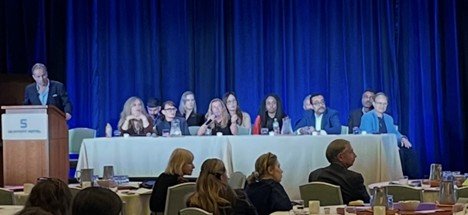
Hear from Our Participants
Participants consistently report measurable improvements in clinical confidence and patient care after completing this program.
One of the best CME courses I’ve attended. It reinforced my practice while giving me confidence to refine protocols and adopt new technologies safely.
I left with practical pearls I could implement immediately. I’ve already adjusted techniques, updated safety protocols, and expanded laser applications in my practice.
This program reinforced the importance of conservative, safety-first practice. The candid discussions on complications and risk management were invaluable.
The opportunity to engage directly with world-renowned experts in an intimate setting made the experience exceptional.
Faculty
Our distinguished faculty include pioneers in laser medicine, leaders of major academic centers, and past presidents of national and international societies in laser and aesthetic surgery. Internationally recognized for their contributions to research, clinical innovation, and education, they bring decades of expertise and perspective to every session.
Participants benefit from candid discussions on controversies, complication management, device selection, and evolving treatment paradigms. By learning directly from the experts who have helped shape the field, attendees gain balanced, evidence-based insights and real-world strategies to refine their technique, enhance patient safety, and confidently integrate new technologies into aesthetic practice.
Course Directors
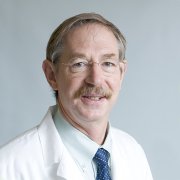
- Professor of Dermatology
- Harvard Medical School
- Lancer Endowed Chair in Dermatology
- Director, Wellman Center for Photomedicine
- Massachusetts General Hospital
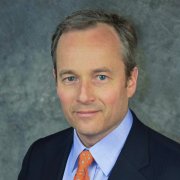
Mathew M. Avram
MD, JD
- Associate Professor of Dermatology
- Faculty Director for Dermatology, Laser & Cosmetic Surgery Training
- Harvard Medical School
- Director
- MGH Laser and Cosmetics
- Affiliate Faculty, Wellman Center for Photomedicine
- Massachusetts General Hospital
- Past President
- American Society for Laser Medicine & Surgery
- American Society for Dermatologic Surgery
Associate Course Director
Marc R. Avram, MD
Clinical Professor of Dermatology
Weill Cornell Medical College
Ashish C. Bhatia, MD, FAAD
Associate Professor of Clinical Dermatology
Northwestern University – Feinberg School of Medicine
Co-Director of Dermatologic, Laser & Cosmetic Surgery
Medical Director for Dermatologic Research
Oak Dermatology
Henry H.L. Chan, MD, PhD, FRCP
Honorary Clinical Professor
The University of Hong Kong
Sebastian Cotofana, MD, PhD
Adjunct Clinical Professor of Plastic Surgery
Vanderbilt University
Christine Dierickx, MD
Skinperium Cosmetic Dermatology Clinic, Luxembourg
Catherine M. DiGiorgio, MD, MS
CMD Dermatology, Laser & Aesthetics, Boston, MA
Nada M. Elbuluk, MD, MSc
Professor of Clinical Dermatology
University of Southern California
Rebecca Fitzgerald, MD
Private Practice, Los Angeles, CA
Paul M. Friedman, MD, FAAD
Clinical Assistant Professor of Dermatology
University of Texas Medical School
Merete Haedersdal, MD, PhD, DMSc
Professor of Dermatology
University of Copenhagen
Omar A. Ibrahimi, MD, PhD
Connecticut Skin Institute
Terrance Keaney, MD, FAAD
Director, Laser and Lipoatrophy Clinic
Washington DC VA Hospital
SkinDC
Suzanne L. Kilmer, MD
Clinical Professor of Dermatology
University of California, Davis
Dieter Manstein, MD, PhD
Assistant Professor of Dermatology
Harvard Medical School
J. Stuart Nelson, MD, PhD
Distinguished Professor of Surgery and Biomedical Engineering
University of California, Irvine
E. Victor Ross, MD
Director, Laser and Cosmetic Dermatology
Scripps Clinic, San Diego, CA
Peter Rullan, MD
Medical Director
The Dermatology Institute
Fernanda H. Sakamoto, MD, PhD
Assistant Professor of Dermatology
Harvard Medical School
Molly Wanner, MD, MBA
Assistant Professor of Dermatology
Harvard Medical School
Christina Weng, MD
Lecturer in Dermatology
Harvard Medical School
Hotel Information
All sessions for this activity will be held at:
The Royal Sonesta Boston
40 Edwin H. Land Blvd., Cambridge, MA 02142
A limited number of discounted rooms have been reserved at the newly renovated Royal Sonesta Boston hotel (617-806-4200).
Please specify that you are enrolled in this course to receive a reduced room rate of $319 (single/double). Hotel arrangements can also be made online.
Please note: Our discounted room block is currently sold out for the night of October 17. Rooms at the group rate remain available for other nights, subject to availability.
We urge you to make your reservations early! The discounted rate is available only until September 24, 2026, or until the block sells out, which typically happens in advance of this date. Please do not purchase non-refundable airline ticket(s) until you have received an email from our office confirming your paid registration.
Interested in Learning More? Sign Up for Course Updates
Course Fees
Registration Details
Fees are listed in USD. Tuition includes access to digitally delivered, AI-generated translated summaries of all faculty presentations, available approximately seven days following the conference. A continental breakfast, hot buffet lunch, and morning and afternoon refreshment breaks will be provided each day.
At the end of the registration process, a $10 non-refundable processing fee will be added to your registration.
| Role | Course Fee |
|---|---|
| Physician (MD/DO) | $1,899 |
| Resident/Fellow | $1,899 |
Accreditation
The Harvard Medical School designates this for a maximum of 16.00 AMA PRA Category 1 Credit(s)™. Physicians should claim only the credit commensurate with the extent of their participation in the activity.
The Royal College of Physicians and Surgeons of Canada recognizes conferences and workshops held outside of Canada that are developed by a university, academy, hospital, specialty society or college as accredited group learning activities.
The American Medical Association (AMA) has an agreement of mutual recognition of continuing medical education (CME) credit with the European Union of Medical Specialists (UEMS). Additional information regarding this agreement may be found on the Union of European Medical Specialists website.