All Insights
Exploring the science, practice, and business of medicine.
Professional, Corporate,
and Continuing Education
Exploring the science, practice, and business of medicine.
Showing 10 out of 564 Insights
In this episode of Science Snapshot, learn how bemotrizinol became the first new sunscreen ingredient approved by the FDA in decades—and why this highly photostable, broad-spectrum UV filter has been used in Europe and Asia for more than 20 years.

HealthSpark, Episode 24: Tisha Boatman, Executive Vice President of External Affairs at Siemens Healthineers, reflects on how changing funding dynamics, shifting attitudes toward collaboration, and a more ecosystem‑oriented mindset are redefining the role of the private sector in health systems worldwide.

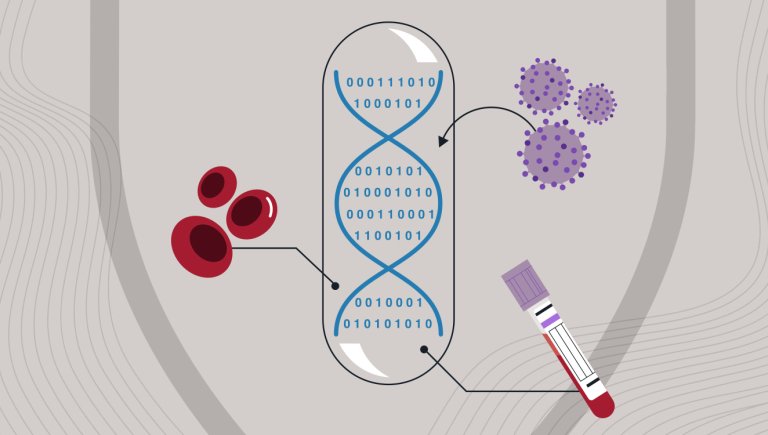
From diagnosis and risk prediction to treatment selection and drug development, biomarkers quietly power the precision and progress of modern medicine.
MedEdPearls August 2026: Heutagogy and Human‑Centered AI in Medical Education

HealthSpark, Episode 23: Mallika Marshall, an internal medicine physician at Massachusetts General Hospital’s Chelsea Urgent Care Clinic and Revere Health Center, explores what it takes to deliver equitable, patient-centered care in the face of profound social and economic barriers.
HealthSpark, Episode 22: Rushdy Ahmad, Director of the Diagnostics Accelerator at Harvard's Wyss Institute, examines why curable diseases like tuberculosis still claim so many lives. He discusses what it will take across science, funding, and policy to get simple tests into the places where people need them most.
In this episode of Science Snapshot, see how Boston Children’s Hospital used OpenAI’s o3 Deep Research model to surface leads in 18 previously unsolved pediatric cases.

In this Harvard Macy Institute blog post, design thinking is applied to make clinical teaching more intentional, learner-centered, and effective.
HealthSpark, Episode 21: Mary Witkowski, Fellow at Harvard Business School's Institute for Strategy & Competitiveness and a member of the teaching faculty at Harvard Medical School, examines how shifting from "do everything" hospitals to condition‑focused care teams can improve outcomes, reduce waste, and create a better experience for both patients and clinicians.

Medical educators who understand how learning works and how to design for it are better prepared to train clinicians in an increasingly complex medical field.