
Are Health Systems Built for Today’s Patients?
HealthSpark Episode 1: Rifat Atun, Professor of Global Health Systems at Harvard University, discusses how data, digital tools, and AI could support more integrated, personalized care models in health systems facing rapid demographic and epidemiological change.
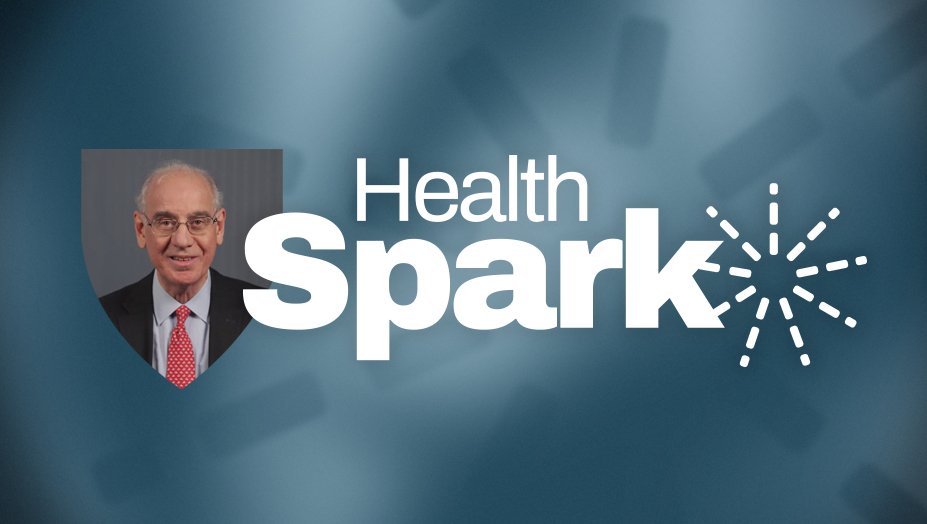

Are today’s health systems built for the realities people face now?
Across many countries, health systems are often perceived as having been designed around single diseases and standardized one-size-fits-all pathways. Yet more people are living longer with several chronic conditions at once—diabetes, hypertension, heart disease, and others often appearing together. In that context, disease‑by‑disease programs can feel out of step with what individuals and communities actually need, which is pushing policymakers, clinicians, and innovators to rethink how care is organized, funded and delivered.
How might data, digital tools, and AI help shift to person‑centered, integrated care?
There is growing interest in care models that treat the person, not just the diagnosis: multidisciplinary teams working around the individual, supported by shared data, digital platforms, and AI‑enabled insights. Rather than bolting technology onto old structures, some system designers are asking how digital tools could be woven into everyday workflows, at primary care and community level, to help tailor interventions, support decision‑making, and coordinate care for people with complex, overlapping conditions. This kind of shift often raises questions about data infrastructure, financing, workforce skills and governance, alongside the technology itself.
What might it take to turn promising innovations into impact at scale?
A recurring theme in global health is that scaling innovation is fundamentally a systems challenge, and systems almost always lag behind the pace of discovery. Scientific advances, digital tools, and AI-enabled solutions may move quickly, but health systems evolve more slowly, shaped by regulation, reimbursement structures, workforce models, infrastructure, and governance. As a result, breakthrough ideas rarely scale on their own. They require intentional system redesign: durable policy commitments, modernized regulatory frameworks, aligned payment models, and operating structures capable of supporting equitable access and long-term sustainability. Progress depends not just on invention, but on coordination—public, private, academic, and non-profit actors working together to adapt solutions to real-world contexts and continuously share what works.
Key question to take forward
As you watch the video and consider your own setting, you might reflect on:
What would it take in your context to move from fragmented, disease‑centered care toward integrated, digitally enabled, person‑centered models that can scale?
Explore Related Programs:
To gain a foundational, systems-level understanding of how care is organized, delivered, and optimized in practice, explore the Principles and Practice of Health Care Delivery course in HealthXcelerate.
Principles and Practice of Health Care Delivery
Dive into the structure of the U.S. health care delivery system and uncover the diverse types of care facilities, their primary functions, respective patient goals, and clinical providers through a framework of inpatient, outpatient, and home-based care.
- HealthXcelerate
- Online; Self-Paced
Dates: Always Available
For: Health care professionals throughout the industry seeking better understanding of the health care system