
Gastrointestinal, Liver, and Pancreatic Pathology
- Continuing Education
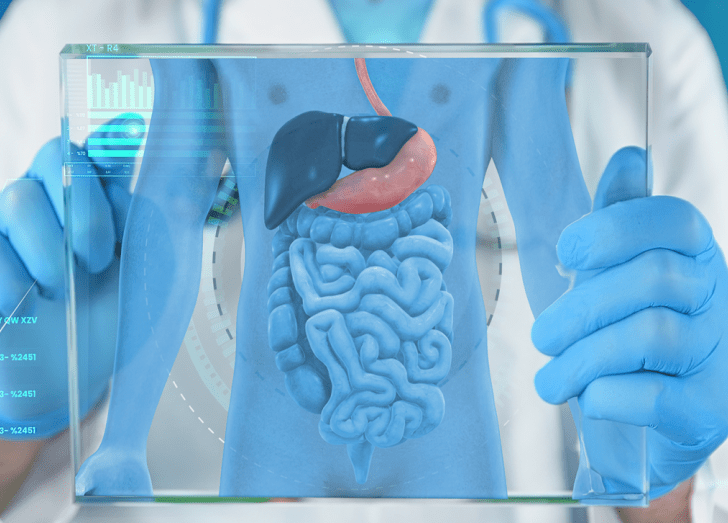
Deliver a concise, expert-guided exploration of gastrointestinal, pancreatic, and liver pathology that highlights new entities, recent advances, and practical diagnostic strategies for everyday practice. Enhance participant skills through systematic interpretation of specimens, effective use of ancillary techniques, and interactive learning with experienced Harvard Medical School faculty.
- Live Online
This course is taught online in real time.
Additionally, all sessions will be recorded and made available to participants for online viewing for 90 days after the end of the course.
$700
For a full list of profession pricing see below.
View All
Continuing Education
Earn up to:
20.25 AMA PRA Category 1 Credits™
View All
All evaluations and credit claims must be completed within 60 days of the course end date.
3 Days
Please view the Schedule for a full description of the program.
On This Page
Overview
The course is conducted by HMS faculty who are recognized experts in their respective fields and aims to provide a comprehensive overview of gastrointestinal, pancreas, and liver pathology. An emphasis will be placed on new entities and recent advances in the discipline that will be of interest to trainees in pathology, to community and academic pathologists, and to other medical specialists such as gastroenterologists. A systematic approach to interpretation of biopsy and resection specimens, using standard gross and microscopic techniques, will be emphasized along with judicious use of ancillary methods, such as immunohistochemistry and molecular pathology. The CME format includes didactic lectures and slide seminars, with ample time allocated for questions from attendees to faculty and course directors. The course will assist participants in developing awareness about new entities, diagnostic tools and biomarkers of clinical significance, and assist them in using diagnostic strategies they can put in to use in their daily practice with the eventual goal of improved patient diagnosis and management.
Registrants will have access to course materials (slides presentations for lectures and digitally scanned whole slide images for case seminars), and to video recordings of all presentations after conclusion of the course.
Learning Objectives
- Discuss updates in the new WHO classification of tumors of the digestive system.
- Identify newly described entities in the differential diagnosis of inflammatory disorders of the GI tract.
- Evaluate morphological criteria and role of ancillary techniques in diagnosis of pre-neoplastic lesions of the GI tract.
- Apply appropriate screening strategies for hereditary cancer syndromes and identify standard-of-care biomarkers used to guide targeted cancer therapies.
- Recognize nuances of interpretation of morphological patterns in liver biopsy interpretation and how to integrate them with clinical findings to render a final diagnosis.
- Recognize importance of incorporating clinical and serological data when interpreting liver biopsies.
- Recognize proper application and limitations of disease staging and grading systems.
- Recognize common and uncommon hepatic tumors.
- Describe the spectrum of benign and neoplastic pancreatic disorders with emphasis on use of proper nomenclature and reporting findings of prognostic significance.
- Recognize nuances of interpretation of morphological patterns in pancreatic biopsy interpretation and how to integrate them with clinical findings to render a final diagnosis.
- Recognize current nomenclature and diagnostic criteria for cystic and solid pancreatic tumors for optimal patient management.
- Recognize situations where molecular testing is indicted and informative.
- Recognize the diagnostic, prognostic and patient management implications of particular molecular tests.
Developed and Offered By:

Continuing Education courses are developed by faculty from Harvard Medical School's teaching hospitals and accredited by Harvard Medical School. This course is offered by Mass General Brigham Department of Pathology.

Who Should Participate
Specialty Physicians, Nurse Practitioners and other advanced practice providers, Pathology Assistants, Gastroenterologists, Surgeons, Oncologists, Other laboratory staff, and Trainees.
Schedule
All agenda sessions are in Eastern Time.
Monday, May 3, 2027
Introduction/Welcome
8:00-8:10 am
Barrett's Esophagus and Associated Neoplasia
8:10-8:55 am
Clinicians Perspective- Upper GI Tract
8:55-9:25 am
Questions & Answers
9:25-9:35 am
Break
9:35-9:45 am
Upper GI Tract Inflammatory Conditions
9:45-10:15 am
Gastric Polyps and Precursor Lesions
10:15-10:45 am
Celiac Disease and its Differential Diagnosis
10:45-11:15 am
Slide Seminar on Upper GI Tract
11:15 am-12:00 pm
Questions & Answers
12:00-12:10 pm
Lunch
12:10-1:00 pm
Unusual Colon Polyps and Neoplasms
1:00-1:30 pm
IBD: Controversies and Challenges
1:30-2:15 pm
Clinician's perspective- lower GI tract
2:15-2:45 pm
Questions & Answers
2:45-2:55 pm
Break
2:55-3:05 pm
Digital Pathology and Machine Learning in GI Pathology
3:05-3:35 pm
Endocrine Tumors of the Tubal Gut
3:35-4:05 pm
Slide Seminar on Infectious Disorders of the GI Tract
4:05-4:50 pm
Questions & Answers
4:50-5:00 pm
Tuesday, May 4, 2027
GIST: From KIT to Succinate Dehydrogenase
8:00-8:30 am
Mesenchymal Tumors and Mesenchymal Polyps (Other than GIST)
8:30-9:00 am
GI Lymphomas
9:00-9:45 am
Questions & Answers
9:45-9:55 am
Break
9:55-10:00 am
Molecular Diagnostics in GI Tract Malignancies
10:00-10:45 am
Ancillary Biomarker Testing in GI Malignancies
10:45-11:15 am
Appendiceal Tumors
11:15 am-12:00 pm
Questions & Answers
12:00-12:10 pm
Lunch
12:10-1:00 pm
Intraoperative Consultations in GI Pathology
1:00-1:45 pm
Cytology and Small Biopsy Diagnosis of Pancreaticobiliary Tumors
1:45-2:30 pm
Questions & Answers
2:30-2:40 pm
Break
2:40-2:50 pm
Surgical Pathology of Pancreatic Tumors
2:50-3:35 pm
Gallbladder and Biliary Tract Pathology
3:35-4:20 pm
Slide Seminar on Instructive Cases in Gallbladder and Biliary Tract Pathology
4:20-5:05 pm
Questions & Answers
5:05-5:15 pm
Wednesday, May 5, 2027
Liver 1- Steatotic Liver Disease
8:00-8:30 am
Liver 2-- Drug Induced Liver Disease
8:30-9:00 am
Clinicians Perspective on Liver Biopsies
9:00-9:30 am
Questions & Answers
9:30-9:40 am
Break
9:40-10:00 am
Liver 3- Liver Pathology in Systemic Disorders 1
10:00-10:30 am
Liver 4- Liver Pathology in Systemic Disorders 2
10:30-11:00 am
Updates on Liver Tumors in the WHO 6th Edition
11:00-11:30 am
Questions & Answers
11:30-11:40 am
Concluding Remarks
11:40-11:50 am
Faculty
Harvard Medical School Continuing Education attracts the best and brightest faculty from all around the world. As a student in this course, you’ll have access to outstanding course directors and faculty.
Course Directors
Jonathan N. Glickman
MD | Course Director
- Associate Professor of Pathology, Harvard Medical School
- Director of Gastrointestinal Pathology, Massachusetts General Hospital
Mark Redston
MD | Course Director
- Associate Professor of Pathology, Harvard Medical School
- Director of Gastrointestinal Pathology, Brigham and Women's Hospital
Nicholas Caldwell
John Chambers, BS
Course Administrator
Hannah Chen, MD, PhD
Instructor in Pathology, Harvard Medical School
Michael Drage, MD, PhD
Staff Pathologist (GI/Hepatobiliary), Massachusetts General Hospital
Assistant Professor of Pathology, Harvard Medical School
Kayla Elliott, MD
Instructor in Pathology, Harvard Medical School
Staff Pathologist, Brigham and Women’s Hospital
Judith Ferry, MD
Director of Hematopathology, Massachusetts General Hospital
Nancy Lee Harris, MD, Endowed Chair in Pathology
Professor of Pathology, Harvard Medical School
Jeffrey Goldsmith, MD
Associate Professor Pathology, Harvard Medical School
Director of Gastrointestinal Pathology, Boston Children's Hospital
Consultant in Gastrointestinal Pathology, Brigham and Women's Hospital
Matthew Hamilton
Jason Hornick, MD, PhD
Professor of Pathology, Harvard Medical School; Director of Surgical Pathology and Immunohistochemistry and Chief of Soft Tissue and Bone Pathology, Brigham and Women's Hospital
Kunal Jajoo, MD
Assistant Professor Medicine, Harvard Medical School
Clinical Director, Division of Gastroenterology, Brigham and Women's Hospital
Bella Liu, MD
Instructor in Pathology, Harvard Medical School
Staff Pathologist, Brigham and Women’s Hospital
Miranda Machacek, MD, PhD
Instructor in Pathology, Harvard Medical School
Assistant in Pathology, Massachusetts General Hospital
Mari Mino-Kenudson, MD
Professor of Pathology, Harvard Medical School
Vice Chair for Anatomic Pathology, Massachusetts General Hospital
Jonathan Nowak, MD, PhD
Associate Professor of Pathology, Harvard Medical School
David Papke, MD, PhD
Assistant Professor of Pathology, Harvard Medical School
Associate Pathologist, Brigham and Women’s Hospital
Daniel Pratt, MD
Assistant Professor of Medicine, Harvard Medical School
Director, Autoimmune and Cholestatic Liver Center, Massachusetts General Hospital
Angela Shih, MD
Assistant Professor of Pathology, Harvard Medical School
Director of Surgical Pathology, Massachusetts General Hospital
Stuti Shroff, MBBS
Assistant Professor of Pathology, Harvard Medical School
Subspeciualty Head of Frozen Section Division, Massachusetts General Hospital
Miekan Stonhill, MD
Lisa Zhang, MD
Instructor in Pathology, Harvard Medical School
Assistant in Pathology, Massachusetts General Hospital
Lei Zhao, MD, PhD
Associate Pathologist, Department of Pathology, Brigham and Women's Hospital
Assistant Professor of Pathology, Harvard Medical School
Complete Your Registration
Started a registration? Log in to enroll today.
Request Information
Interested in learning more about this program? Sign up for details.
Course Fees
| Role | Course Fee |
|---|---|
| Physician (MD/DO) | $700 |
| Nurse (RN/APRN) | $400 |
| PA | $400 |
| Resident / Fellow | $400 |
| Allied Health Professional / Other | $400 |
You may register through our secure online environment and will receive an email confirmation upon receipt of your payment. Virtual tuition includes electronic syllabus and access to recordings for 90 days after the course.
At the end of the registration process, a $10 non-refundable processing fee will be added to your registration.
Accreditation

The Harvard Medical School designates this other/blended activity for a maximum of 20.25 AMA PRA Category 1 Credit(s)™. Physicians should claim only the credit commensurate with the extent of their participation in the activity.
For the purpose of recertification, the American Academy of Nurse Practitioners Certification Board and American Nurses Credentialing Center accept 20.25 AMA PRA Category 1 Credit™ issued by organizations accredited by the ACCME (Accreditation Council for Continuing Medical Education). We would also suggest that learners check with their state licensing board to ensure they accept reciprocity with AMA PRA Category 1 Credit™ for re-licensure.
Harvard Medical School has been authorized by the American Academy of PAs (AAPA) to award AAPA Category 1 CME credit for activities planned in accordance with AAPA CME Criteria. This activity is designated for 20.25 AAPA Category 1 CME credits. PAs should only claim credit commensurate with the extent of their participation.
The Royal College of Physicians and Surgeons of Canada recognizes conferences and workshops held outside of Canada that are developed by a university, academy, hospital, specialty society or college as accredited group learning activities.
The American Medical Association (AMA) has an agreement of mutual recognition of continuing medical education (CME) credit with the European Union of Medical Specialists (UEMS). Additional information regarding this agreement may be found on the Union of European Medical Specialists website.