
Principles of Critical Care Medicine for Non-Intensive Care Specialists
- Continuing Education
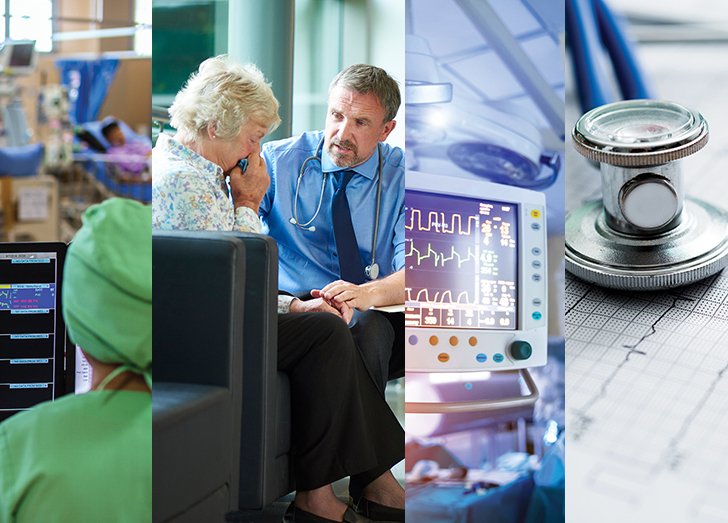
Critical Care Medicine for the Non-Intensivist provides a focused review of essential, evidence-based advances in modern critical care medicine, along with practical guidance for clinicians caring for critically ill patients. The course emphasizes immediately applicable strategies that enhance ICU decision-making, build clinical confidence, and ultimately improve patient outcomes.
- Live Online
Engage in interactive sessions and explore instructive clinical cases with audience-response questions, all led by renowned experts. Recordings of all live-streamed sessions will be available for immediate online viewing at your convenience.
In addition to the live-stream experience, all presentations and course materials will be accessible until February 1, 2027.
$1,385
Continuing Education
Earn up to:
AMA PRA Category 1 Credits™: 39.25
Risk Management: Opioid Education and Training: 0.75
Risk Management: End-of-Life Care Studies: 2.50
Risk Management: General: 17.75
Four Days
Please view the schedule for a full description of the program.
On This Page
Overview
Master the Skills You Need to Practice Critical Care Medicine
Keeping pace with rapidly evolving evidence-based critical care medicine can be challenging—especially if you are not formally trained as an intensivist but routinely care for critically ill patients. This comprehensive CME program delivers practical, immediately applicable strategies to strengthen your ICU decision-making, boost clinical confidence, and improve patient outcomes.
Through expert-led sessions, you will explore the most important recent advances in modern critical care medicine and gain actionable tools you can apply directly in your practice.
What’s New in 2026?
To ensure you stay current with the most essential developments in critical care, the curriculum is continually refined to reflect emerging evidence, evolving best practices, and real-world clinical needs. New and returning participants will benefit from key updates for 2026, including:
- NEW Intensive Training Track: Hematology/Oncology Critical Care
- Expanded Cardiology Critical Care curriculum
- Enhanced Humanizing Critical Care sessions
- Updated content in mechanical ventilation, artificial intelligence, and ICU best practices
A Practical, Comprehensive Update in Critical Care
Designed for busy clinicians, this program delivers focused, evidence-based updates to improve the evaluation, diagnosis, and management of critically ill patients.
Key topics include:
- Cardiogenic shock
- Sepsis and septic shock
- Point-of-care ultrasound
- Acute respiratory distress syndrome (ARDS)
- Artificial intelligence in the ICU
- Venoarterial (VA) and venovenous (VV) ECMO
- Care of the critically ill cancer patient
- Hemorrhagic shock
- Management of pain, agitation, and delirium
- Mechanical circulatory support (MCS)
- Advanced Cardiovascular Life Support (ACLS)
- Overdoses and toxidromes
- Liberation from mechanical ventilation
- Post–intensive care syndrome
- Oral and intravenous vasopressors
- End-of-life care
Learning Objectives
- Review the basic principles of mechanical ventilation and describe indications for noninvasive and invasive ventilation
- Describe evidence-based approaches to diagnosis and management of common infections in the ICU
- Categorize different types of shock, describe the pathophysiologic mechanism behind each and formulate appropriate treatment strategies
- Identify the evidence-based management of hypoxic respiratory failure, including use of high-flow nasal cannula, lung- protective ventilation, PEEP optimization, proning and VV ECMO
- Describe current management of cardiogenic shock including indications and contraindications of different types of mechanical circulatory support
- Describe importance of POCUS in the diagnosis of volume status
- Identify contemporary approaches to sedation in the ICU
- Recognize post-intensive care syndrome and describe best practices for management
- Identify best practices for care of the dying patient in the ICU
Developed and Offered By:

Continuing Education courses are developed by faculty from Harvard Medical School's teaching hospitals and accredited by Harvard Medical School. This course is offered by Beth Israel Deaconess Medical Center.

Who Should Participate
- Emergency Medicine Physicians
- Hospitalists and Nocturnists at community hospitals
- Family Practitioners
- Critical Care Physicians
- Cardiologists
- Obstetricians-Gynecologists
- Surgeons
- Anesthesiologists
- Physician Associates
- Nurse Practitioners
- Nurses
- Pharmacists
- Health care professionals who are commonly involved in the care of critically ill patients in intensive care settings
Schedule
This program is among the highest-rated Harvard Medical School CME courses. All agenda sessions are in Eastern Time. Please note that program changes/substitutions may be made without notice.
INTENSIVE TRAINING TRACKS

Cardiology Critical Care
Cardiology critical care content is woven throughout the course curriculum and reinforced through multiple interactive sessions. Led by Harvard Medical School cardiologists and intensivists, these sessions provide in-depth, practical training for clinicians caring for critically ill cardiac and cardiovascular patients. You will gain evidence-based strategies for managing cardiogenic shock, optimizing mechanical circulatory support, and addressing complex heart failure scenarios—equipping you with essential skills to deliver high-quality care in high-acuity critical care settings.

Hematology/Oncology Critical Care
With improvements in cancer diagnosis and treatments, patients with cancer are living longer and WILL be in your ICU! Through a series of interactive cases and talks led by oncologists, hematologists, intensivist experts who specialize in caring for critically ill cancer patients you will gain evidence-based strategies for diagnosing and managing oncologic emergencies and complex benign hematologic cases. Topics covered include management of critically ill patients who have had stem cell transplants, neutropenic sepsis, novel therapies such as CAR-T and immune checkpoint inhibitors, TTP, and acute chest syndrome.

Humanizing Critical Care
Prioritize and embrace the human side of medicine through inspiring sessions focused on compassionate, patient-centered care. Gain valuable insights into addressing the emotional and psychological needs of patients and their families while upholding clinical excellence and caring for yourself and your team. Led by world-renowned experts in critical care from the BIDMC Center for Humanizing the ICU, these impactful sessions will enhance your knowledge, equip you with practical tools, help you reflect on your personal and professional practice, and refine your approach to elevate the quality of care you deliver.
Tuesday, September 15, 2026
Welcome from the Course Directors
Margaret M. Hayes, MD, ATSF
8:00-8:10 am
Shock and Vasopressors: A Case-Based Physiologic Approach
Margaret M. Hayes, MD, ATSF
8:10-8:50 am
From Infusion to Ingestion: Best Practices for Oral Vasopressor Use in 2026
I. Mary Eche, PharmD, BCCCP, FCCM
8:50-9:15 am
Break and Stretch
9:15-9:20 am
Diagnosis and Management of Cardiogenic Shock in 2026
Dhruv S. Kazi, MD, MSc, MS
9:20-10:00 am
Rapid Refresher: The ABCS of ABGS
Margaret Lie, MD
10:00-10:10 am
Heme–Onc Emergencies You Cannot Miss*
Jason Moran, MD
10:10-10:50 am
Break and Guided Meditation
10:50-11:05 am
Management of Ventricular Tachycardia in the ICU
Timothy R. Maher, MD
11:05-11:40 am
Quick Hit: Anatomy and Physiology of Chest Tube Drainage System
Joshua A. Davis, MD
11:40 am-12:00 pm
Lunch Break
12:00-12:45 pm
Vents 101: A Review for Beginners
Morgan I. Soffler, MD; Leonid Rabkin, RRT
12:45-2:00 pm
Rapid Refresher: Tylenol Toxicity in the ICU*
Alexander Petti, MD
2:00-2:15 pm
Quick Hit: NSTEMI in the ICU: What Do I Do?*
Michael C. Gavin, MD, MPH, FACC
2:15-2:55 pm
Burning Clinical Question: What Is a Time-Limited Trial?
Asha Anandaiah, MD
2:55-3:05 pm
Break and Rejuvenation Exercises
3:05 - 3:20 pm
Red Alert: Practical Tips for Managing the Patient with Hemorrhagic Shock
Joshua A. Davis, MD
3:20-4:00 pm
Burning Clinical Question: How do I do a Recruitment Maneuver?
Elias N. Baedorf-Kassis, MD
4:00-4:10 pm
Sugar Sugar: Management of DKA and HHS in the ICU
Zachary H. Taxin, MD
4:10-4:45 pm
Break and Stretch
4:45-4:50 pm
Best Practices for Managing Asthma and ECOPD in the ICU
Michael C. Ferrera, MD
4:50-5:20 pm
Ripped from the Case Files: Challenging Cases in Critical Care
Michael W. Donnino, MD
5:20-6:00 pm
Wednesday, September 16, 2026
Beyond Sedation: Multimodal Management of Pain, Agitation, and Delirium
Adrian Wong, PharmD, MPH, FCCM, FCCP, BCCCP
8:00-8:45 am
Critical Illness Survivorship: What Every Intensivist Must Know
Jakob I. McSparron, MD
8:45-9:15 am
Break and Stretch
9:15-9:20 am
Management of Respiratory Failure in 2026
Elias N. Baedorf Kassis, MD
9:20-10:00 am
Burning Clinical Question: What's New in Pneumonia in 2026?
Kanupriya Soni, MD
10:00-10:10 am
Neuro Quick Hit: Diagnosis and Management of Seizures in the ICU
Jason Yoon, MD
10:10-10:35 am
What Every Intensivist Must Know – Part 1: Acid Base Disorders in the ICU
Jeffrey H. William, MD
10:35-11:05 am
Break and Guided Meditation
11:05-11:15 am
What Every Intensivist Must Know – Part 2: Electrolyte Abnormalities
Jeffrey H. William, MD
11:15-11:45 am
Starting, Stopping, Bridging: Anticoagulation for Atrial Fibrillation
Aarti Rao, MD
11:45 am-12:15 pm
Lunch Break
12:15-1:00 pm
Vents 102: Moving Your Knowledge from Plateau to Peak
Morgan I. Soffler, MD; Leonid Rabkin, RRT
1:00-1:40 pm
Quick Hit: The Anatomy of an Echo Report – What Every Intensivist Must Know
Jason D. Matos, MD
1:40-2:10 pm
Pneumothorax Management for the General Intensivist
Mihir S. Parikh, MD
2:10-2:40 pm
Break and Rejuvenation Exercises
2:40-2:55 pm
Burning Clinical Question: Should I Drain this Pleural Effusion?
Mihir S. Parikh, MD
2:55-3:10 pm
Mechanical Circulatory Support: What Every Intensivist Must Know
Patrick M. Hyland, MD
3:10-3:55 pm
Break and Stretch
3:55 - 4:00 pm
Critical Care Management of the Patient with Liver Failure
Michael P. Curry, MD
4:00-4:30 pm
Neuro Quick Hit: The ABCs of IPH for the General Intensivist
Jason Yoon, MD
4:30-4:55 pm
Break and Stretch
4:55-5:00 pm
Rapid Refresher: What the Intensivist Needs to Know about Hematopoetic Stem Cell Transplant in the ICU
Jenna Spring, MD
5:00-5:20 pm
Echo Essentials Every Intensivist Must Know
Ariane M. Fraiche, MD
5:20-6:00 pm
Thursday, September 17, 2026
Toxicology 101: Four Tips for the Intensivist
Laura C. McNamara, MD
8:00-8:30 am
Diagnosis and Management of Neutropenic Sepsis
Mehrnaz Sadrolashrafi, PharmD, BCCCP
8:30-8:55 am
Can't Miss Surgical Emergencies for the General Intensivist
Charles S. Parsons, MD
8:55-9:25 am
Break and Stretch
9:25-9:30 am
Burning Clinical Question: How Can I Communicate with My Intubated Patient?
Sarah E. MacKenzie, MS, CCC-SLP, CBIS
9:30-9:40 am
Burning Clinical Question: When Do I Need to Stop Propofol for High Triglycerides
Gabrielle Cozzi, PharmD, BCCCP
9:40-9:50 am
To Scope or Not to Scope: The Endoscopists Perspective of GI Bleeding in the ICU
Alexander M. Goldowsky, MD
9:50-10:20 am
ACLS: Pearls, Pitfalls, and Practical Applications for the Intensivist
Ameeka Pannu, MD
10:20-10:50 am
Break and Stretch
10:50-10:55 am
Burning Clinical Question: Should I Start Steroids for Shock?*
Kanupriya Soni, MD
10:55-11:05 am
Humanizing Harm: Best Practices for Discussing Harm Experienced by Critically Ill Patients and Families*
Emmett A. Kistler, MD MHQS
11:05-11:35 am
Cutting-Edge Cancer Therapies: What Every Intensivist Must Know to Manage and Safely Transfer Patients*
Kevin Barnum, MD, PhD
11:35 am-12:05 pm
Lunch Break
12:05-12:50 pm
Rapid Refresher: Sepsis in 2026
Alexander Petti, MD
12:50-1:00 pm
Agitation and Aggression in the Critically Ill: A Psychiatrist’s Perspective*
Joshua Leo, MD, MPH
1:00-1:30 pm
Burning Clinical Question: Does My Patient Have Acute Chest Syndrome
Jason Moran, MD
1:30-1:40 pm
Practical Tips for Incorporating Palliative Care into the ICU
Kathleen A. Lee, MD
1:40-2:10 pm
The Anatomy and Physiology of Pacemakers and ICDs
Jason D. Matos, MD
2:10-2:40 pm
Break and Rejuvenation Exercises
2:40-2:50 pm
Tips and Tricks for Diagnosing and Managing Alcohol Withdrawal in Your ICU*
Kanupriya Soni, MD
2:50-3:20 pm
Connecting Function to Physiology: HFNC and Other Respiratory Devices You MUST Know
Morgan I. Soffler, MD
3:20-4:00 pm
Quick Hit: Tips for Anticoagulant Reversal
Pansy Elsamadisi, PharmD, BCCCP
4:00-4:10 pm
Break and Stretch
4:10-4:15 pm
Respiratory Failure in the Immunocompromised Host: Is Anything Done Differently?
R. Scott Stephens, MD, ATSF
4:15-4:40 pm
Rapid Refresher: EKGs you MUST Know
Ariane M. Fraiche, MD
4:40-5:10 pm
Burning Clinical Question: What Settings Should My Patient Be on for a Spontaneous Breathing Trial?
Michael C. Ferrera, MD
5:10-5:20 pm
Left and Right Heart Failure in the ICU: Tips and Tricks for Diagnosis and Management
Tyler Peck, MD
5:20-6:00 pm
Friday, September 18, 2026
Critical Thinking in Critical Care: Thinking Strategies to Minimize Cognitive Errors in the ICU
Richard M. Schwartzstein, MD
8:00-8:30 am
Noninvasive Ventilation in the ICU: Evolution, Evidence, and the Expertise You Need
Asha Anandaiah, MD
8:30-9:15 am
Break and Stretch
9:15-9:20 am
Five Infectious Disease Emergencies You Must Know
Matthew S. Lee, MD
9:20-10:15 am
Break and Guided Meditation
10:15-10:30 am
Updates in the Management of Massive and Submassive PE: What's New in 2026
Christian Mewaldt, MD
10:30-11:15 am
Rapid Refresher: Immune Check Point Inhibitor Toxicities the ICU Provider MUST Know*
Margaret 'Molly' Hayes, MD, ATSF
11:15-11:40 am
Practical Tips for Extubating Difficult-to-Wean Patients
Janelle V. Baptiste, MD, MPH
11:40 am-12:10 pm
Lunch Break
12:10 - 12:50 pm
Management of A-fib and Other Arrhythmias: What Every Intensivist MUST Know
David M. Furfaro, MD
12:50-1:45 pm
Break and Rejuvenation Exercises
1:45-2:00 pm
Tales from the Blood Bank: What Every Intensivist MUST Know
Kerry L. O'Brien, MD
2:00-2:30 pm
Burning clinical Question: Should I Transfer My Patient for Considerations of VV ECMO?
David M. Furfaro, MD
2:30-2:40 pm
Case Studies in Cardiac Critical Care
Marwa Sabe, MD
2:40-3:10 pm
Break and Stretch
3:10-3:15 pm
Artificial Intelligence in Action: Practical Strategies to Optimize Your ICU Performance
David M. Furfaro, MD
3:15-3:45 pm
Burning Clinical Question: What Temperature Should I Target after ROSC?
Katherine M. Berg, MD
3:45-3:55 pm
Burning Clinical Question: Does My Patient with ICANS Need the ICU?
Linnea Fulton, PA-C
3:55-4:10 pm
Rapid Refresher: Nutrition in the ICU
Andrew J. Synn, MD, MPH
4:10-4:25 pm
POCUS and More: Practical Tips for Assessing Volume Responsiveness at the Bedside
Camille R. Petri, MD
4:25-5:05 pm
Humanizing the ICU: Strategies to Improve Care of Patients and Providers
Margaret 'Molly' Hayes, MD, ATSF
5:05-6:00 pm
Self-Study
Altered Mental Status in the ICU: A Case-Based Approach
Elisabeth D. Riviello, MD, MPH
30 minutes
Quick Hit: Managing Opioid Withdrawal in the ICU
Alison Trainor, MD
19 minutes
Tracheostomy Tips: What Every Intensivist Must Know
Heidi H. O'Connor, MD, FCCP
30 minutes
Burning Clinical Question: Does My Patient Need a Head CT?
Virginia A. Brady, MD
10 minutes
Quality Control: CAUTI, CLABSI and HAPI Mitigation for Your ICU
Ari L. Moskowitz, MD
45 minutes
Designed for Busy Clinicians
Designed for clinicians managing critically ill patients, Principles of Critical Care Medicine delivers practical, evidence-based updates on today’s most challenging ICU conditions—combining expert instruction with immediately applicable clinical strategies.
This program includes more than 70 live-streamed, interactive sessions across the full spectrum of critical care medicine.

Optimized for Remote Learning
Live, Interactive Distance Learning Experience
- All education is delivered via live streaming, allowing you to attend from anywhere
- Interactive online Q&A during each session—submit questions through the course chat, with faculty responding live from the podium or in writing. Compiled written Q&A will be included in the course archive as a reference resource.
- Live audience polling integrated throughout the program; year after year, participants report that polling enhances their ability to approach complex and challenging cases in daily practice
- Case-based learning featured in most presentations to reinforce real-world clinical decision-making
- Session recordings and downloadable content available for on-demand viewing through February 1, 2027, allowing you to benefit from the full program at your convenience
Hear from Our Participants
Participants consistently report measurable improvements in clinical confidence and patient care after completing this program.
This is honestly one of the best CME courses I have ever participated in. I come every 2-3 years. Hands down the BEST content and speakers I have attended in 30 years. NEVER STOP OFFERING IT.
Great speakers, inspiring, smart, and enthusiastic.
As a primary care provider, I found that this course did an outstanding job of immersing one into the world of the intensivist.
The instant response to Q&A was impressive and felt like we were connecting in-person.
Faculty
Our outstanding faculty, world-renowned for their achievements in teaching, clinical care, and research, bring a wealth of expertise to every session. Utilizing a variety of engaging teaching methods—including didactic lectures, interactive case-based discussions, high-yield reviews, question-and-answer sessions, and equipment demonstrations—they create a dynamic learning environment designed to challenge your clinical reasoning and enhance your ability to apply key concepts in intensive care practice.
With a multidisciplinary team coming from various training backgrounds and including physicians, respiratory therapists, pharmacists, and speech-language pathologists, our faculty ensures that you receive the most comprehensive, up-to-date, and practical content to elevate your skills and knowledge in critical care.
Course Director

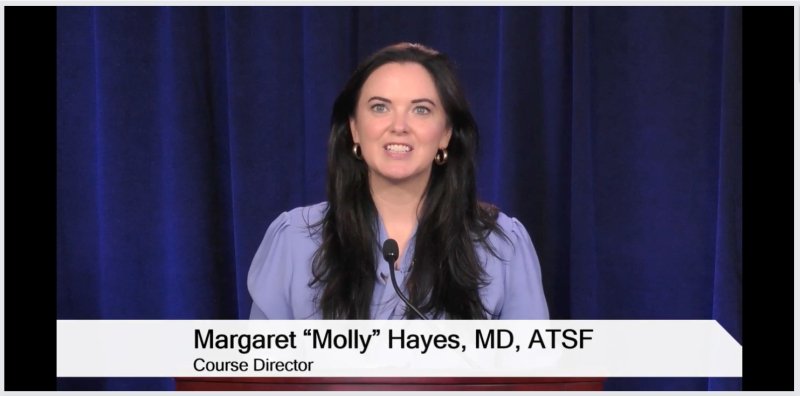
Margaret "Molly" Hayes
MD, ATSF
- Associate Professor of Medicine, Harvard Medical School
- Director, Medical Intensive Care Unit
- Director, External Education, Carl J. Shapiro Institute for Education and Research
- Co-Director, Division of Continuing Education, Beth Israel Deaconess Medical Center
Co-Directors
- Assistant Professor of Medicine, New York Medical College
- Associate Program Director, Pulmonary and Critical Care Medicine Fellowship, New York Medical College
- Division of Pulmonary, Critical Care, and Sleep Medicine, Westchester Medical Center
Dhruv S. Kazi
MD, MSc, MS
- Co-Director, Cardiology Critical Care Track
- Associate Professor of Medicine
- Harvard Medical School
- Associate Director, Richard A. and Susan F. Smith Center for Outcomes Research
- Director, Cardiac Critical Care Unit
- Beth Israel Deaconess Medical Center
Asha Anandaiah, MD
Assistant Professor of Medicine, Harvard Medical School
Elias N. Baedorf Kassis, MD
Assistant Professor of Medicine, Harvard Medical School
Janelle V. Baptiste, MD, MPH
Instructor in Medicine, Harvard Medical School
Kevin Barnum, MD, PhD
Instructor in Medicine, Harvard Medical School
Katherine M. Berg, MD
Associate Professor of Medicine, Harvard Medical School
Virginia A. Brady, MD
Instructor in Medicine, Harvard Medical School
Gabrielle Cozzi, PharmD, BCCCP
Critical Care Clinical Pharmacist, Beth Israel Deaconess Medical Center
Michael P. Curry, MD
Professor of Medicine, Harvard Medical School
Joshua A. Davis, MD
Assistant Professor of Clinical Medicine, Weill Cornell Medicine
Michael W. Donnino, MD
Professor of Emergency Medicine and Medicine, Harvard Medical School
I. Mary Eche, PharmD, BCCCP, FCCM
Clinical Pharmacy Manager - Critical Care/ED, Beth Israel Deaconess Medical Center
Pansy Elsamadisi, PharmD, BCCCP
Critical Care Clinical Pharmacy Specialist II, Beth Israel Deaconess Medical Center
Michael C. Ferrera, MD
Instructor in Medicine, Harvard Medical School
Ariane M. Fraiche, MD
Instructor in Medicine, Harvard Medical School
Linnea Fulton, PA-C
Inpatient Hematologic Malignancies & Cellular Therapies, Associate Chief PA
Dana-Farber Cancer Institute
David M. Furfaro, MD
Assistant Professor of Medicine, Harvard Medical School
Michael C. Gavin, MD, MPH, FACC
Assistant Professor of Medicine, Harvard Medical School
Alexander M. Goldowsky, MD
Instructor in Medicine, Harvard Medical School
Patrick M. Hyland, MD
Instructor of Medicine, Harvard Medical School
Emmett A. Kistler, MD MHQS
Instructor in Medicine, Harvard Medical School
Kathleen A. Lee, MD
Instructor, Harvard Medical School
Matthew S. Lee, MD
Assistant Professor of Medicine, part-time, Harvard Medical School
Joshua Leo, MD, MPH
Instructor in Psychiatry, Harvard Medical School
Margaret Lie, MD
Research Fellow in Medicine, Harvard Medical School
Sarah E. MacKenzie, MS, CCC-SLP, CBIS
Adjunct Professor, Speech, Emerson Graduate Program, Emerson College
Timothy R. Maher, MD
Instructor in Medicine, Harvard Medical School
Jason D. Matos, MD
Instructor in Medicine, Harvard Medical School
Laura C. McNamara, MD
Clinical Fellow in Medicine, Harvard Medical School
Jakob I. McSparron, MD
Associate Professor of Medicine, University of Michigan
Christian Mewaldt, MD
Clinical Fellow in Medicine, Harvard Medical School
Jason Moran, MD
Assistant Professor of Medicine, Tufts University School of Medicine
Ari L. Moskowitz, MD
Associate Professor of Medicine, Albert Einstein College of Medicine
Kerry L. O'Brien, MD
Assistant Professor of Pathology, Harvard Medical School
Heidi H. O'Connor, MD, FCCP
Medical Director, Sleep Lab, BID-Milton Hospital
Ameeka Pannu, MD
Instructor in Anaesthesia, Harvard Medical School
Mihir S. Parikh, MD
Assistant Professor of Medicine, Harvard Medical School
Charles S. Parsons, MD
Instructor in Surgery, Harvard Medical School
Tyler Peck, MD
Instructor in Medicine, Harvard Medical School
Camille R. Petri, MD
Instructor in Medicine, Harvard Medical School
Alexander Petti, MD
Instructor in Medicine, Harvard Medical School
Leonid Rabkin, RRT
Director, Respiratory Care, Beth Israel Deaconess Medical Center
Aarti Rao, MD
Clinical Fellow in Medicine, Harvard Medical School
Elisabeth D. Riviello, MD, MPH
Assistant Professor of Medicine, Harvard Medical School
Marwa Sabe, MD
Assistant Professor of Medicine, Harvard Medical School
Mehrnaz Sadrolashrafi, PharmD, BCCCP
Critical Care Clinical Pharmacist, Beth Israel Deaconess Medical Center
Richard M. Schwartzstein, MD
Ellen and Melvin Gordon Distinguished Professor of Medicine
Faculty Associate Dean for Medical Education
Harvard Medical School
Morgan I. Soffler, MD
Assistant Professor of Medicine, New York Medical College
Kanupriya Soni, MD
Instructor in Medicine, Harvard University
Jenna Spring, MD
Assistant Professor of Medicine, University of Toronto
R. Scott Stephens, MD, ATSF
Associate Professor of Medicine, Johns Hopkins School of Medicine
Andrew J. Synn, MD, MPH
Instructor in Medicine, Harvard Medical School
Zachary H. Taxin, MD
Instructor in Medicine, Harvard Medical School
Alison Trainor, MD
Instructor of Medicine, Mount Auburn Hospital
Jeffrey H. William, MD
Assistant Professor of Medicine, Harvard Medical School
Adrian Wong, PharmD, MPH, FCCM, FCCP, BCCCP
Adjunct Clinical Instructor, MCPHS University
Jason Yoon, MD
Instructor in Neurology, Harvard Medical School
Interested in Learning More? Sign Up for Course Updates
Course Fees
Registration Details
Fees are shown in USD. Your tuition includes a complete online syllabus. All sessions will be recorded as they are livestreamed and made available for immediate viewing, at your convenience, through February 1, 2027. To further expand accessibility, closed captions are available in English, Spanish, Portuguese and French.
At the end of the registration process, a $10 non-refundable processing fee will be added to your registration.
| Role | Course Fee |
|---|---|
| Physician (MD/DO) | $1,385 |
| Nurse (RN/APRN) | $1,385 |
| PA | $1,385 |
| Psychologist | $1,385 |
| Resident/Fellow | $1,385 |
| Social Worker | $1,385 |
| Allied Health Professional / Other | $1,385 |
Accreditation

The Harvard Medical School designates this live activity for a maximum of 39.25 AMA PRA Category 1 Credit(s)™. Physicians should claim only the credit commensurate with the extent of their participation in the activity.
Successful completion of this CME activity, which includes participation in the evaluation component, enables the participant to earn up to 39.25 Medical Knowledge MOC points in the American Board of Internal Medicine’s (ABIM) Maintenance of Certification (MOC) program. Participants will earn MOC points equivalent to the amount of CME credits claimed for the activity. It is the CME activity provider’s responsibility to submit participant completion information to ACCME for the purpose of granting ABIM MOC points.
For the purpose of recertification, the American Academy of Nurse Practitioners Certification Board and American Nurses Credentialing Center accepts AMA PRA Category 1 Credit™ issued by organizations accredited by the ACCME (Accreditation Council for Continuing Medical Education). Please check with your individual state licensing board to ensure it accepts reciprocity with AMA PRA Category 1 Credits™ for relicensure.
The National Commission on Certification of Physician Associates (NCCPA) states that AMA PRA Category 1 Credits™ are acceptable for continuing medical education requirements for recertification. Please check with your individual state licensing board to ensure it accepts reciprocity with AMA PRA Category 1 Credit™ for relicensure.
This activity meets the criteria of the Massachusetts Board of Registration in Medicine for 17.74 credits of Risk Management Study. This includes .75 Credit in Opioid Education/Pain Management and 2.50 Credit of End-of-Life Studies. Please check with your individual state licensing board requirements before claiming Risk Management Credits.
The American Medical Association (AMA) has an agreement of mutual recognition of continuing medical education (CME) credit with the European Union of Medical Specialists (UEMS). Additional information regarding this agreement may be found on the Union of European Medical Specialists website.
The Royal College of Physicians and Surgeons of Canada recognizes conferences and workshops held outside of Canada that are developed by a university, academy, hospital, specialty society or college as accredited group learning activities.