
GLP-1-Based Therapies: Mechanisms of Action, Development, and Clinical Impact
- HMX
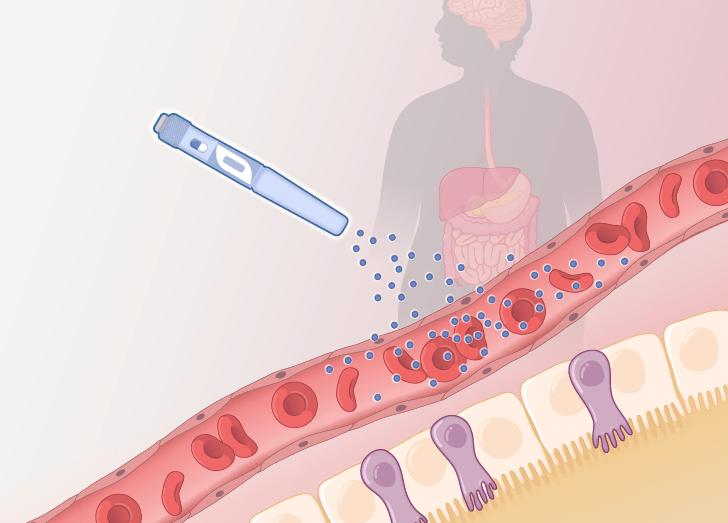
Understand the science behind GLP-1-based therapies and how they’re revolutionizing patient care.
- Online; Self-Paced
More information coming soon.
$495
Save and learn more with discounted multi‑course bundles or our all‑access HMX and HealthXcelerate Learning Pass.
Certificate
Earn a short course certificate of completion when you finish all coursework within 8 weeks.
3-4 Hours
Most people can expect to complete short courses in 3-4 hours.
On This Page
Overview
Cardiometabolic diseases, including obesity and type 2 diabetes, have reached epidemic levels worldwide, and can significantly increase the risk of many conditions across other organ systems. Over the past two decades, advances in our understanding of gut-derived hormones—particularly incretins—have reshaped how we treat these conditions.
Early research at Massachusetts General Hospital contributed to identifying the incretin GLP-1, which laid the foundations for the development of GLP-1-based therapies. Today, these medicines are transforming clinical care, delivering meaningful improvements in glycemic control and weight management, and expanding the possibilities for reducing long-term cardiometabolic risk.
For clinicians, researchers, and industry professionals whose work intersects with metabolic health, it is now more essential than ever to understand the physiology, pharmacology, and evidence behind these game-changing therapies. This advanced course offers a unique way to learn from leading Harvard Medical School faculty about how GLP-1-based medicines work and the difference they are making in clinical practice.
Learning Objectives
- Understand how incretin signaling (GLP-1 and GIP) integrates with insulin and glucagon across organs to regulate glucose homeostasis, appetite, and energy balance.
- Trace how insights from GLP-1 physiology were translated into drug development, including key molecular engineering strategies used to optimize the stability, duration of action, and delivery of these therapeutics.
- Interpret the clinical evidence for GLP-1-based therapies using major outcomes and biomarkers, including HbA1c, weight loss, and different assessments of cardiometabolic risk.
- Evaluate real-world clinical use, including disease impact, safety profiles, and contraindications, as well as further uses of these medicines as co- and poly-agonists in applications beyond diabetes and obesity.

Who Should Participate
Clinicians and health care professionals; biomedical and translational researchers; professionals in the pharmaceutical, biotechnology, and digital health sectors.
About the Course
HMX short courses feature targeted lessons on the latest medical science topics and advancements. Stay up-to-date on essential knowledge by exploring specialized topics in a shorter format designed for busy professionals.
Who Should Participate
This course will benefit learners such as clinicians and other health care professionals who prescribe, manage, or counsel patients on GLP-1-based therapies, as well as biomedical and translational researchers who want a mechanistic understanding of incretin signaling and how it is leveraged in modern therapeutics. It will also be well-suited for professionals in the pharmaceutical, biotechnology, and digital health sectors who want a clear view of the evolving evidence, safety considerations, and emerging indications shaping GLP-1-based medicines.
Course Format
Most people can expect to spend 3-4 hours total on an HMX short course. In order to be considered for a short course certificate of completion, you must complete your coursework within eight weeks.
Extend Your Learning and Save More
Whether you are building your medical science knowledge, preparing for advanced study, or expanding your understanding of the health care ecosystem, combining courses helps you connect concepts across disciplines while saving on enrollment.

You can bundle up to five HMX or HealthXcelerate courses. Bundle discounts apply to all courses selected. A bundle can consist of courses in the same upcoming enrollment period or the following enrollment period.
Two-course bundle: 25% discount
Three-course bundle: 30% discount
Four-course bundle: 35% discount
Five-course bundle: 40% discount
View all bundle-eligible programs
Multi-course discounts will be changing on October 1, 2026. Register now and lock in these savings by bundling multiple courses.

With the HMX and HealthXcelerate Learning Pass, a $4,950 investment unlocks one year of unlimited enrollment to Harvard Medical School's portfolio of HMX and HealthXcelerate online courses, empowering you to advance your knowledge of health care and medical science in the areas that matter most to your goals. Start Learning

HMX and HealthXcelerate courses are ideal for organizations looking to train teams or larger groups. Group pricing is available, making it a cost-effective investment in team development.
Group Enrollments
HMX courses are ideal for organizations looking to train teams or larger groups. Group pricing is available, making it a cost-effective investment in team development.
Faculty
HMX courses are led by Harvard Medical School faculty, working in collaboration with a multi-disciplinary team of experts in biomedical visualization, assessment, and the science of learning to create a unique learning experience that will stay with you.

Laura Dedmon
MBBS, MSci
- Senior Medical Science Editor and Educator, HMX, Harvard Medical School

Josephine Li
MD
- Assistant Professor of Medicine, Harvard Medical School
- Clinical Director, MGH Diabetes Center
- Physician, MGB Division of Endocrinology
Request Information
Interested in learning more about this program? Sign up for details.