
Penzias Course Example - Test
This is a suffix
- Continuing Education

This text can also be seen in the OEE Catalog in "detailed view." It does not accept line breaks or any other kind of formatting. This intensive, 4-day online CME program updates busy practitioners on current best practices in hospital medicine. The curriculum covers over 30 core topics, with an emphasis on practical management of common problems.
- Live Online
This program uses state-of-the-art streaming technology to present sessions online in real time. Participants can attend from any location, and can interact with faculty via live chat. Additionally, all sessions will be recorded and made available to participants for online viewing for 90 days after the end of the course.
$650
There is also a $100 early registration discount. See the full table below.
- In addition to the main course, we offer a half-day pre-course workshop on May 24 called "Making Health Care Affordable," for an additional $185.
Fee increases to $650 after
Continuing Education
4 half-days
This 4-day program updates busy practitioners on current best practices in hospital medicine. The curriculum covers over 30 core topics, with an emphasis on practical management of common problems.
- One day prior to Penzias Test Course, on May 24, we also offer a half-day pre-course workshop: "Making Health Care Accessible."
On This Page
Overview
State-of-the-Art Approaches to Prevention, Diagnosis, and Treatment of Infectious Diseases in Adults
Infectious Diseases in Adults 2026 is LIVE STREAMED with on-demand access available for 90 days after the course.
This comprehensive CME program—now in its 50th year!—ensures attendees are current with state-of-the-art approaches to prevention, diagnosis, and treatment of infectious diseases. Updates, best practices, and new guidelines are presented by nationally recognized ID experts and master clinicians. Education is practical and results-driven:
- Optimal decision-making across a range of common and unusual infectious diseases
- Newer antimicrobials and treatment strategies for highly resistant infections
- Prevention and treatment of infections in immunocompromised hosts
- Update on antifungal diagnostics and therapy
- State-of-the-art and multidisciplinary approaches to common infections
- Clinical approaches to complex, rare, and "don't-miss" infections
- New, evolving, emerging, and re-emerging infectious diseases
- Infections in persons with substance use disorder
- What’s new in HIV prevention and management
- The latest on COVID-19, including long COVID
As revised treatment strategies, new diagnostic tests, and guidelines are presented, they are coupled with specific recommendations for incorporating these updates into your day-to-day work.
In addition to being live streamed, all sessions will be recorded and placed in the online course library, enabling registrants to view them at their convenience. Recordings will be available for viewing for 90 days after the conclusion of the course. All live streaming and recorded sessions are eligible for AMA PRA Category 1 Credits™ and other relevant credits. (Note: Evaluations must be completed within 30 days in order to receive CME credit.)
Highlights of the 2026 Program
Expanded Case-Based and Problem-Solving Education
The 2026 program features an expanded range of interactive, case-based, and problem-solving education. The formats are engaging, and attendees are encouraged to pose questions to our national experts in live question-and-answer sessions following the lectures and the multidisciplinary workshops. Our speakers and panelists include not only ID experts, but those from fields such as pharmacy, surgery, radiology, cardiology, pulmonology, and addiction medicine, thereby providing a 360-degree context for the understanding of ID treatment and patient care. Our ten multidisciplinary workshops include complicated urinary tract and intra-abdominal infections, resistant Gram-positive and Gram-negative infections, management of endocarditis and cardiac device infections, musculoskeletal infections, and nontuberculous mycobacterial infections.
Treating Highly Resistant Infections, including:
- MRSA and VISA (vancomycin-intermediate Staph aureus)
- Extended-spectrum beta-lactamase (ESBL)-producing Gram-negative rods
- Carbapenemase-producing Gram-negative rods, including NDM-1 metallo-beta-lactamase-producing organisms
- Vancomycin-resistant enterococci (VRE)
- Resistant fungal infections, including Aspergillus, other molds, and resistant Candidal infections
- Nontuberculous mycobacteria (NTM)
Common Infectious Diseases: Updates in Prevention, Diagnosis, and Treatment
Updates to keep you current on new strategies, state-of-the-art practices, and the most recent guidelines to address:
- Respiratory viral infections, including COVID-19
- New and updated vaccine guidance
- Infections in the expanding populations of immunocompromised hosts
- Infections in persons with substance use disorder
- Infections of travelers and foreign-born persons
- Systemic fungal infections
- Native and device-related orthopedic infections
- Central nervous system (CNS) infections
- Native and prosthetic valve endocarditis, and cardiac device infections
- Ear, nose, and throat (ENT) and eye infections
- Skin and soft tissue infections
- Bronchiectasis and pneumonia
- HIV and its infectious and noninfectious complications
- PEP (Post-Exposure Prophylaxis) and PrEP (Pre-Exposure Prophylaxis) to prevent HIV infection
- Sexually transmitted infections (STIs), including mpox and PEP for prevention of STIs
- Hepatitis B and C infections
- Tick- and mosquito-borne infections
- Clostridioides difficile infection, the gut microbiome, and pre- and probiotics
- Complicated urinary tract infections
- Intra-abdominal infections
Challenging, Rare, and Emerging Infectious Diseases
Comprehensive updates on:
- Rare and emerging infectious diseases, including highly pathogenic avian flu
- Re-emergence of vaccine-preventable diseases, including poliomyelitis
- Pulmonary and extrapulmonary non-tuberculous (“atypical”) mycobacteria, including Mycobacterium abscessus
- Global infectious diseases of clinical importance
Clinical Decision-Making
Hear directly from world-renowned specialists and master clinicians on their approach and decision-making criteria for:
- Selecting the best antimicrobial and duration of treatment
- Rapid detection and empiric treatment of life-threatening infectious diseases
- Choosing between inpatient and outpatient treatment, and between intravenous and oral antimicrobials
- Optimizing empiric antimicrobial therapy: what to start, and how and when to deescalate
Our multidisciplinary talks and workshops incorporate safety, quality, and practice improvement in infectious diseases, including:
- Antimicrobial stewardship to prevent resistance and reduce cost
- Early inpatient ID consultations to improve outcomes
- Strategies for management of infection in persons who inject drugs (PWID)
New in 2026: Advanced Learning Modules in:
- HIV
- Mycobacterial Infections
Each of these expanded learning modules provides the opportunity to discuss your cases live in optional Meet-the-Professors sessions with clinical leaders in these specialized fields of ID. The opportunity to present cases will be limited to the first 20 attendees who submit a case for discussion, but all are welcome to attend and listen to the discussion. We also provide two hours of self-paced, advanced instruction covering in-depth topics in HIV as well as multidisciplinary panel workshops in management of pulmonary and extrapulmonary NTM infections.
Learning Objectives
- Best practices for management of common problems in hospital medicine
- Recent guidelines changes and recommendations
- Pearls for interpreting common diagnostic studies
- Seminal studies and updates in the literature
- Expert opinions where the data are lacking
Developed and Offered By:


Continuing Education courses are developed by faculty from Harvard Medical School's teaching hospitals and accredited by Harvard Medical School. This course is offered by Brigham and Women's Hospital.

Who Should Participate
Physicians, Nurse Practitioners, Physician Assistants, and Pharmacists in the fields of:
- Infectious Diseases
- Hospital Medicine
- Internal Medicine
- Family Practice
- Pulmonary and Critical Care Medicine
- Emergency Medicine
...and others who care for patients with infectious diseases
What Will You Gain
- Lots of great information
- Skills in diagnosing and treating Infectious Diseases
- Free, HMS-branded PPE
- Tons of credits
NEW in 2026: ADVANCED LEARNING MODULES in
- HIV
- Mycobacterial Infections
Each of these expanded learning modules provides the opportunity to discuss your cases live in optional Meet-the-Professors sessions with clinical leaders in these specialized fields of ID. The opportunity to present cases will be limited to the first 20 attendees who submit a case for discussion, but all are welcome to attend and listen to the discussion. We also provide two hours of self-paced, advanced instruction covering in-depth topics in HIV as well as multidisciplinary panel workshops in management of pulmonary and extrapulmonary NTM infections.
PLENARY SESSIONS
Two plenary sessions explore the ramifications of current trends in environmental and public health changes seen throughout our country and the world. Hear from thought leaders who discuss current challenges in global public health and pandemic preparedness:
- Monday, May 4 at 10:00 am: The Future of Global Public Health: Lessons from HIV - Dr. Linda-Gail Bekker
- Thursday, May 7 at 4:00 pm: Preparing for Future Pandemics - Dr. David Oshinsky
LIVE NEW ENGLAND JOURNAL OF MEDICINE CLINICOPATHOLOGIC CONFERENCE (CPC)
Add some text here about what this is Add some text here about what this is Add some text here about what this is Add some text here about what this is
Schedule
All schedule times are Eastern Time.
Please note that program changes / substitutions may be made without notice.
Friday, May 24, 2030
Part 1: How We Got Here
Breakouts
8:45 to 9:45 am
A1
Test 1
Title of session
9:45 to 10:45 am
10:45 to 11:00 am
Breakout B
B1
What color is this title?
How does this faculty member look?
Part 2: Why We Still Try
What's the Title?
11:00 to 11:45 am
Title of session
Speaker
11:45 am to 12:45 pm
Saturday, May 25, 2030
Welcome
8:00-8:15 am
Medical Treatment of Obesity - Updates and Best Practices for Individualizing Therapies
8:15-8:45 am
Advances in Surgical Treatment of Obesity and Why and When to Refer Patients with Diabetes
8:45-9:15 am
Q & A and Clinical Case Discussion
9:15-10:00 am
Break
10:10-10:15 am
CARDIOVASCULAR: Diagnosis and Management of Heart Failure in the Patient with Diabetes – What every physician now needs to know
10:15-11:05 am
METABOLIC: Technological advances in diabetes care
10:15-11:05 am
Artificial Intelligence in Cardiometabolic Disease
11:05-11:55 am
Closing Remarks
11:55 am-12:00 pm
Sunday, May 26, 2030
Welcome
8:00-8:05 am
New clinical models in diabetes care
8:05-8:40 am
Updates in the Prevention and Management of Hypoglycemia
8:40-9:15 am
Q & A and Clinical Case Discussion
9:15-10:00 am
Break
10:00-10:15 am
Diagnosis and Management of Coronary Artery Disease in the patient with diabetes: Practical tools for the busy clinician
10:15-11:05 am
Sleeping disorders and metabolic disease
10:15-11:05 am
Break
11:05-11:10 am
Hypertension management in the patient with diabetes
11:10-11:55 am
Closing Remarks
11:55 am-12:00 pm
Monday, May 27, 2030
Welcome
8:00-8:05 am
Practical Recommendations for the Use of GLP-1 RA in Clinical Practice and Their Impact on CV and Renal Risk Reduction
8:05-8:30 am
The Expanded Role of SGLT-2 Inhibitors in Diabetes, Cardiovascular and Renal Disease – Implications for Clinical Practice
8:30-8:55 am
The Role of MRA Antagonists in CV and Renal Risk Reduction in the Patient with Diabetes- Recent Data and Practical Implications
8:55-9:20 am
Q & A and Clinical Case Discussion
9:20-10:00 am
Break
10:00-10:15 am
Updates, innovations and advances for the management of dyslipidemia in the patient with diabetes
10:15-11:10 am
Management of diabetes in adolescents and young adults
10:15-11:10 am
THE EDWARD S. HORTON KEYNOTE LECTURE
11:10-11:55 am
Closing Remarks
11:55 am-12:00 pm
Tuesday, May 28, 2030
WELCOME, RECAP OF DAY 3, INTRODUCTION TO DAY 4 ACTIVITIES
8:00-8:05 am
Evaluation and Monitoring of Diabetic CKD
8:05-8:40 am
Current Clinical Guidelines for the Management of CKD in Diabetes
8:40-9:15 am
Q & A and Clinical Case Discussion
9:15-10:00 am
Break
10:00-10:15 am
Pros and Cons of common cardiovascular disease diagnostic tests
10:15-11:05 am
Metabolic Dysfunction-Associated Steatotic Liver Disease (MASLD)
10:15-11:05 am
INSULIN THERAPY IN 2025. IS THERE STILL A ROLE?
11:05-11:55 am
Closing Remarks
11:55 am-12:00 pm
One Column Page Component
Practical, Results-Focused Education for Ambulatory and Inpatient Settings
Enhance your skills and optimize your patient outcomes by joining Harvard Medical School’s most distinguished faculty—across all relevant fields of Internal Medicine—as they provide updates, best practices, and clinical strategies designed to improve day-to-day practice in both ambulatory and inpatient settings.
Program Highlights
Highlights of the 2025 program, comprising 80+ high-impact, incisive educational sessions, include:
- Comprehensive updates across all areas of Internal Medicine presented by Harvard Medical School’s leading clinical faculty and most distinguished teachers
- Specific evidence-based recommendations to incorporate updates into practice for optimized patient care and outcomes
- Outcomes-driven strategies to improve diagnosis and management of diseases seen in both ambulatory and inpatient settings
- Case-based sessions and daily Q&A sessions with Harvard faculty
- New in 2025: Workshops spanning Hematology-Oncology, Liver Disease, Obesity Medicine, and Cardiovascular Disease
This program covers the breadth of Internal Medicine subspecialties, including:
- This 2-column list which is a different kind of component.
- Cardiovascular Medicine
- Immunotherapies and Biologics
- Pulmonary and Critical Care Medicine
- Hematology and Oncology
- Infectious Diseases, including COVID-19
- Gastroenterology
- Endocrinology
- Rheumatology
- Nephrology
- Obesity Medicine
- Women’s Health
- Geriatrics
- Hospital Medicine
- Allergy and Immunology
- Neurology
- Psychiatry
- Palliative Care
- Pain Medicine
- such as this kind of medicine
- such as this kind of medicine
Another way to use a two-column component
Education is practical, coupling updates with guidance on how to incorporate knowledge into practice to improve:
- Treatment outcomes for acute and overuse injuries of the spine, knee, hip, foot, and ankle, along with upper extremity conditions of the shoulder, neck, elbow, hand, and wrist
- The effectiveness and expediency of physical evaluations
- Appropriate diagnostic imaging and interpretation
- Rehabilitation and safe return to play
- Non-surgical management of injuries
- Decisions to refer patients for surgery
- Multidisciplinary team-based treatment with physicians, physical therapists, and athletic trainers
- Injury prevention
- Regenerative medicine techniques for the management of injuries
- Treatment of athlete populations, including those who participate in CrossFit, running, lacrosse, mixed martial arts, and wilderness sports
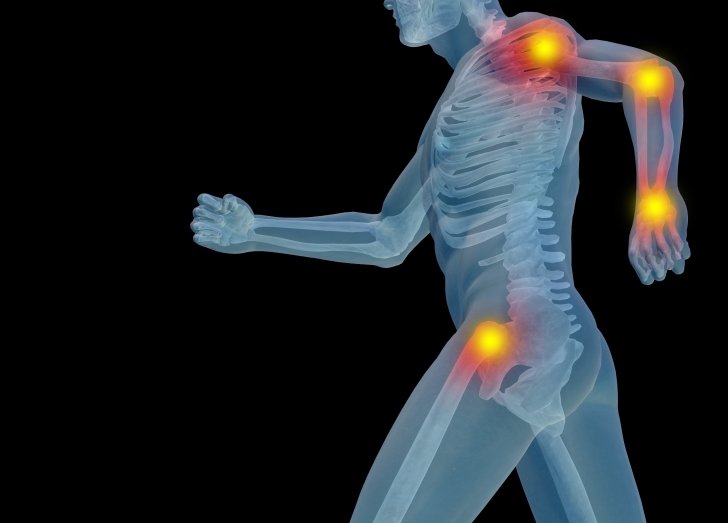
Hear from Our Participants
More than 2500 clinical educators have participated in this program. These participants have changed their teaching practice after taking this course.
“What was outstanding in this course? The education on concept mapping, effective feedback, making lectures more memorable, self-care and preventing burnout, and...the JOY that was manifested throughout—on the part of both faculty and attendees.”
“This was truly the best CME I have ever done. Thank you for putting together such an incredible program. I am recommending it to every educator I know.”
“This course has opened a world of modern concepts in medical education to me and provided me with a full list of resources that I can now use. The thoroughly analyzed data about medical education showed me how I can become a better educator.”
"Right after the conference I walked into my clinics more prepared, with more enthusiasm, and better able to teach and encourage critical thinking."
Two-Thirds Column Component
Optimized for Remote Education
The 2025 program has been enhanced for distance learning:
- Live streamed sessions
- Q&A with the Professors
- Recordings of all live streamed education made available to participants for online viewing, at your convenience, through December 30, 2025.
- Easy access to these recordings will permit those in different time zones or who have scheduling conflicts to avoid missing out on any sessions that are important to them.
- In addition, participants can review sessions that they had previously watched via live stream to reinforce key learning points.

This program is among the highest-rated Harvard Medical School CME courses.
Optional Pre-Course Workshop (Checkerboard)

Making Health Care Affordable: May 24, 2030
Checkerboard 2
Penzias Test Course by the Numbers
Attendees each year
Our course has proven to be a "must-attend" event for many hospitalists in the US and internationally
CME credits
This course offers CME credits for physicians and other clinicians
Educational Sessions
This course is among the most comprehensive in the field
This is a Promo Section
Here is a place where we can add a promo section. No images allowed. This promo section can link to something external. HMS courses tend to link to the registration page here, and title it "Complete Your Registration." You can "hide" the "i" in the circle, in which case the text will move to the left and leave blank space on the right.
Practice-Changing Education
Participants consistently report that this program has inspired and improved their practice of medicine.

“Where do I begin? To be honest, in my 18 years of practice, this is by far the best, most thorough, and comprehensive CME conference I have attended! Complex topics broken down into practical lectures w/pearls of wisdom. Chef's kiss!”
Faculty
Course Directors
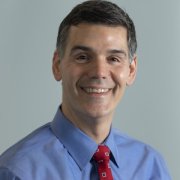
John W. Denninger
MD, PhD | Course Director
- Director of Integrative Science and Clinical Training, Benson-Henry Institute for Mind Body Medicine
- Associate in Psychiatry, Massachusetts General Hospital
- Senior Mentor, MGH/McLean Psychiatry Residency Research Concentration Program
- Instructor in Psychiatry, Harvard Medical School
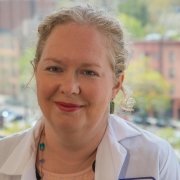
Maria Houtchens
MD, MSc | Course Director
- Associate Professor of Neurology, Harvard Medical School
- Neurologist, Brigham and Women's Hospital
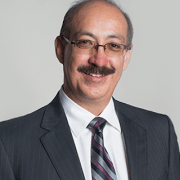
- Associate Professor of Medicine
- Faculty Director, Diabetes Education, Office for External Education
- Director of International Innovation Programs, Office for External Education, Harvard Medical School
- President of Medicine and Science, American Diabetes Association
Keynote Speakers
David Cutler
PhD
- Otto Eckstein Professor of Applied Economics, Department of Economics and Kennedy School of Government, Harvard University
Barbara Smith, MD, PhD
Course Director
- Professor of Surgery, Harvard Medical School
- Director, Breast Program, Massachusetts General Hospital
Abby Altman, PhD, Assistant Professor of Psychology in the Department of Psychiatry, Harvard Medical School
Chika Anekwe, MD, Instructor in Medicine, Harvard Medical School
Elizabeth P. Frates, MD, Assistant Professor of Physical Medicine and Rehabilitation, Part-time, Harvard Medical School
Reuben Hendler, MD, Instructor in Psychiatry, Harvard Medical School
Suzanne Koven, MD, Associate Professor of Medicine, Associate Professor of Global Health and Social Medicine, Harvard Medical School
Susan Larrabee, LICSW, Clinical Social Worker, Division of Infectious Diseases, Brigham and Women's Hospital
Jacob Mirsky, MD, Assistant Professor of Medicine, Harvard Medical School
Christopher Palmer, MD, Assistant Professor of Psychiatry, Harvard Medical School
Edward M. Phillips, MD, Associate Professor of Physical Medicine and Rehabilitation, Harvard Medical School
Claudia Rodriguez, MD, Instructor in Psychiatry, Harvard Medical School
John Rodolico, PhD, Assistant Professor of Psychology in the Department of Psychiatry, Part-time, Harvard Medical School
Matthew Sacchet, PhD, Associate Professor of Psychiatry, Harvard Medical School
Joji Suzuki, MD, Associate Professor of Psychiatry, Harvard Medical School
David Bowman, MD, Member of the Faculty of Pediatrics, Howard University
Param Dedhia, MD, Moveo Health
Christopher Gardner, PhD, Rehnborg Farquhar Professor of Medicine, Stanford University School of Medicine
Mary Kennedy, PhD, Post-doctoral Research Fellow in Implementation Science, Edith Cowan University School of Medical and Health Science
Rachele Pojednic, PhD, EdM, Adjunct Lecturer of Human Biology, Stanford University
Rani Polak, MD, Chef, MBA, Founding Director, Culinary Healthcare Education Fundamentals (CHEF) Coaching program, Institute of Lifestyle Medicine and Center of Lifestyle Medicine, Sheba Medical Center, Tel Aviv, Israel
Sivaneswaran Poobalasingam, MD, Dip IBLM, Chair, Advisory Board, Lifestyle Medicine Global Alliance
Koushik Reddy, MD, Assistant Professor of Medicine, University of South Florida
Kavitha Reddy, MD, Assistant Professor in Emergency Medicine, Washington University School of Medicine
Theresa Stone, MD, Instructor in Family Medicine, Georgetown University School of Medicine
Schedule on General Page
Schedule: Group Visits
Live Streaming in US Eastern Daylight Time
Group Medical Visits to Guide Patients to Healthier Lifestyle Behaviors | |
Welcome and History of Group Medical Visits | 1:00-1:25 pm |
Clinical Considerations and Benefits for Putting Group Medical Visits into Practice | 1:25-2:00 pm |
Administration and Billing of Group Medical Visits | 2:00-2:15 pm |
| Break | 2:15-2:30 pm |
Virtual Group Medical Visits in the Massachusetts General Hospital (MGH) Healthy Lifestyle Program: Patient and Provider Perspectives | 2:30-2:55 pm |
Logistics and Tips for Running a Group Medical Visit | 2:55-3:10 pm |
Q&A and Panel Discussion: Invaluable Lessons Learned Through Our Experience of Group Medical Visits Across MGH | 3:10-4:00 pm |
Obesity Board Review
Board Review Session 1 | |
Welcome and Introduction | 9:00-9:10 am |
Approach to the Patient with Obesity | 9:10-9:40 am |
Nutritional Assessment and Therapy | 9:40-10:10 am |
Cardiorespiratory Fitness and Exercise | 10:10-10:40 am |
Panel Discussion / Q&A | 10:40-11:10 am |
| Break | 11:10-11:40 am |
Board Review Session 2 | |
Practicing Obesity Medicine with Professionalism | 11:40 am-12:10 pm |
Pediatrics 1: Patient Assessment | 12:10-12:40 pm |
Pediatrics 2: Patient Management | 12:40-1:10 pm |
Lightning Round 1 | 1:10-1:40 pm |
Panel Discussion / Q&A | 1:40-2:10 pm |
| Break | 2:10-2:30 pm |
Board Review Session 3 | |
Pharmacotherapy | 2:30-3:00 pm |
Bariatric Endoscopy | 3:00-3:30 pm |
Bariatric Surgery | 3:30-4:00 pm |
Panel Discussion / Q&A | 4:00-4:30 pm |
| Break | 4:30-4:50 pm |
Board Review Session 4 | |
Behavioral Assessment and Therapy | 4:50-5:20 pm |
Genetic and Syndromic Obesity | 5:20-5:50 pm |
Obesity Comorbidities | 5:50-6:20 pm |
Lightning Round 2 | 6:20-6:50 pm |
Panel Discussion / Q&A | 6:50-7:20 pm |
Motivational Interviewing Schedule
Schedule: Motivational Interviewing
Live Streaming in US Eastern Daylight Time
Mastering the Principles of Motivational Interviewing | |
Welcome and Overview: The Spirit of Motivational Interviewing | 9:00-9:30 am |
Engaging: OARS Skills › Open-ended questions Dr. Abby Altman | 9:30-10:20 am |
Small Group Practice | 10:20-10:40 am |
Exercise Debriefing | 10:40-10:50 am |
| Break | 10:50-11:05 am |
Focusing › Agenda setting Dr. Claudia Rodriguez | 11:05-11:30 am |
Small Group Practice | 11:30-11:40 am |
Exercise Debriefing | 11:40-11:45 am |
| Break | 11:45 am-12:30 pm |
Evoking › Strengthening internal motivation Susan Larrabee, LICSW | 12:30-1:35 pm |
Small Group Practice | 1:35-1:55 pm |
| Break | 1:55-2:10 pm |
Discord › Rolling with resistance Dr. John Rodolico | 2:10-2:45 pm |
Small Group Practice | 2:45-3:05 pm |
Exercise Debriefing | 3:05-3:10 pm |
Planning › MI consistent action planning Dr. Reuben Hendler | 3:10-3:40 pm |
| Break | 3:40-3:50 pm |
Bringing It Together › Practice exercise Susan Larrabee, LICSW | 3:10-3:40 pm |
Q & A | 5:00-5:20 pm |
Workshop Wrap-up | 5:20-5:30 pm |
This Is the Continuing Education Form
We do not have to have it. it seems to take up a lot of room. Interested in learning more about Harvard Medical School Continuing Education programs? Sign up here.
Course Fees
Registration Details
Registrations for Harvard Medical School CME programs are made via our secure online registration system. At the end of the registration process, a $10 non-refundable processing fee will be added to your registration.
Upon receipt of your paid registration, an email confirmation will be sent to you. Be sure to include an email address that you check frequently. Your email address is used for critical information, including registration confirmation, evaluation, and certificate.
Please review the cancellation policy.
| Role | Course Fee |
|---|---|
| Physician (MD/DO) | $650 |
| Nurse (RN/APRN) | $600 |
| PA | $600 |
| Psychologist | $600 |
| Resident/Fellow | $600 |
| Social Worker | $600 |
| Allied Health Professional / Other | $600 |
Treating Obesity 2026 and the Board Review are offered separately and as a pair, with a discount if you choose to attend both programs. See the table below for pricing:
| Course Fee | Register on or before April 30, 2026 | |
|---|---|---|
| June 8–11 Treating Obesity 2026 | $1,295 | $1,195 |
| June 7 Obesity Medicine Board Review | $495 | $495 |
| June 7–11 Treating Obesity 2026 & Obesity Medicine Board Review | $1,495 | $1,395 |
All attendees will receive an electronic syllabus that includes all of the course materials for their chosen programs.
All sessions will be recorded as they are live streamed and placed in the online course video library, so that registrants can review them at their convenience. The video library will be available through October 17, 2026 (the end of the ABOM exam dates).
Accreditation

The Harvard Medical School designates this live activity for a maximum of 45.00 AMA PRA Category 1 Credit(s)™. Physicians should claim only the credit commensurate with the extent of their participation in the activity.
Successful completion of this CME activity, which includes participation in the evaluation component, enables the participant to earn up to 36.50 Medical Knowledge MOC points in the American Board of Internal Medicine’s (ABIM) Maintenance of Certification (MOC) program. Participants will earn MOC points equivalent to the amount of CME credits claimed for the activity. It is the CME activity provider’s responsibility to submit participant completion information to ACCME for the purpose of granting ABIM MOC points.
The AAFP has reviewed Update in Hospital Medicine 2025 and deemed it acceptable for up to 27.50 Live AAFP Prescribed credit(s). Term of Approval is from 11/03/2025 to 11/06/2025. Physicians should claim only the credit commensurate with the extent of their participation in the activity.
This activity meets the criteria of the Massachusetts Board of Registration in Medicine for 13.50 credits of Risk Management Study. This includes:
- 1.75 credits of Opioid Education and Pain Management Training
- 0.75 credits of End-of-Life Care Education
Please check your individual state licensing board requirements before claiming these credits.
For the purpose of recertification, the American Academy of Nurse Practitioners Certification Board and American Nurses Credentialing Center accept AMA PRA Category 1 Credit™ issued by organizations accredited by the ACCME (Accreditation Council for Continuing Medical Education). We would also suggest that learners check with their state licensing board to ensure they accept reciprocity with AMA PRA Category 1 Credit™ for re-licensure.
The National Commission on Certification of Physician Assistants (NCCPA) states that AMA PRA Category 1 Credits™ are acceptable for continuing medical education requirements for recertification. We would also suggest that learners check with their state licensing board to ensure they accept reciprocity with AMA PRA Category 1 Credit™ for re-licensure.
This educational activity has been approved for continuing education credit. Please click here to view the accreditation documentation. Faculty disclosures are here.
The Royal College of Physicians and Surgeons of Canada recognizes conferences and workshops held outside of Canada that are developed by a university, academy, hospital, specialty society or college as accredited group learning activities.
The American Medical Association (AMA) has an agreement of mutual recognition of continuing medical education (CME) credit with the European Union of Medical Specialists (UEMS). Additional information regarding this agreement may be found on the Union of European Medical Specialists website.