
Neurological Emergencies
- Continuing Education
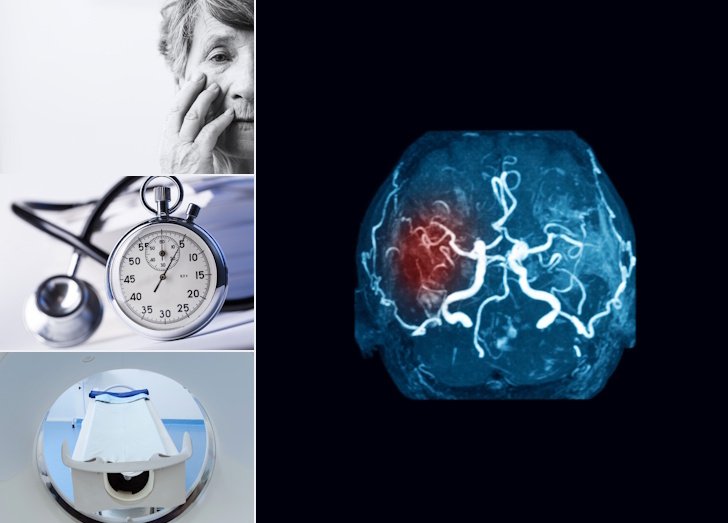
This intensive program provides the latest evidence-based strategies and best practices for managing neurological emergencies. It covers rapid evaluation, diagnosis, and early intervention as well as important updates in the management of high-risk neurological conditions.
- Live Online
This course is taught online in real time.
Additionally, all sessions will be recorded and made available to participants for on-demand online viewing for 90 days after the end of the course.
All live streaming and recorded sessions and workshops are eligible for AMA PRA Category 1 Credits™ and other relevant credits. (Note: Evaluations must be completed within 60 days of the conclusion of the course to receive CME credit.)
$975
The tuition for this course is $975.
Earn up to:
» 29.50 AMA PRA Category 1 Credits™
» 29.50 European CME credits (ECMEC®)
» 29.50 credits of Risk Management Study
» Commensurate credits through the Royal College of Physicians and Surgeons of Canada
This program also includes 14.75 hours of stroke education, delivering comprehensive updates for state-of-the-art care.
3 Days
This intensive program, which is among the highest-rated Harvard Medical School CME courses, updates busy clinicians on current best practices in the evaluation, diagnosis, and management of neurological emergencies.
On This Page
Overview
Evaluation. Diagnosis. Management.
In Emergency, Outpatient, and Inpatient Settings
Neurological Emergencies is an online course, using live streaming, electronic Q&A, and other remote learning technologies.
This special program provides new strategies, updates, best practices, and practical tips to:
- Rapidly identify neurological emergencies
- Act early to optimize patient outcomes
- Avoid misdiagnosis
- Optimize use of diagnostics
- Evaluate common neurological complaints and high-risk conditions
- Learn practical algorithms to optimize approaches to the history and the physical exam
- Better understand the uses and limitations of neuroimaging tests
- Mitigate risk for you and your patient
- Improve patient safety
- Incorporate updates in practice to ensure state-of-the-art management of high-risk neurological conditions
The course prepares clinicians who work in emergency, inpatient, and outpatient settings to quickly and accurately diagnose and provide appropriate care for patients with:
High-frequency symptoms:
- Headache
- Back pain
- Dizziness and vertigo
- Altered mental status
- Weakness
- Seizures
High-risk conditions:
- Ischemic stroke
- TIA
- Carotid stenosis
- Intracerebral hemorrhage
- Traumatic brain injury
- Cerebral aneurysm
- Spinal cord compression
- Cauda equina syndrome
- Reversible cerebral vasoconstriction syndrome
- Cerebral venous sinus thrombosis
- Cervical artery dissections
- Coma
The program delivers the highest-quality educational experience:
- Teaches practical, effective clinical reasoning and approaches that enable you to deliver state-of-the-art care, given by recognized experts in the field
- Presents video clips from actual patients that help you see, “firsthand,” hard-to-describe physical exam findings
- Provides opportunities to interact with faculty and to pose and get answers to your specific questions
- Delivers the latest information in an engaging manner and clinically usable context so that you have knowledge that you can “take home” and immediately apply to patient care
- Enables you to tailor your learning experience to your needs, choosing among 18 breakout sessions
Access to Recordings of All Sessions
In addition to being live streamed, all sessions will be recorded and placed in the online course library, enabling registrants to view them at their convenience. Recordings will be available for viewing for 90 days after the conclusion of the course. All live streaming and recorded sessions are eligible for AMA PRA Category 1 Credits™ and other relevant credits. (Note: Evaluations must be completed within 60 days of the conclusion of the course to receive CME credit.)
Developed and Offered By:


Continuing Education courses are developed by faculty from Harvard Medical School's teaching hospitals and accredited by Harvard Medical School. This course is offered by Mass General Brigham and Beth Israel Deaconess Medical Center.

Who Should Participate
PHYSICIANS, NPs, and PAs in the following specialties and practice settings:
- Neurology (Inpatient and Outpatient)
- Emergency Medicine
- Hospital Medicine
- Critical Care
- Internal Medicine
- Family Medicine
- Geriatric Medicine
- Physical Medicine and Rehabilitation
- Surgery
- Urgent Care
Comprehensive Stroke Updates
This program includes 14.75 hours of stroke education, delivering comprehensive updates for state-of-the-art care:
- Ischemic stroke
- TIA
- Thrombolytics
- Endovascular therapy
- Carotid stenosis
- Intracerebral hemorrhage
- Cerebral aneurysms
- Neuroimaging
- Subarachnoid hemorrhage
- Acute stroke and ARIA
- Posterior circulation stroke presenting as dizziness
- Reversible cerebral vasoconstriction syndrome
- Arterial dissections
- Cerebral venous sinus thrombosis
This course provides education on the new 2026 guidelines for CVST, presented by Dr. Aneesh Singhal, a member of the committee for the new AHA Guidelines.
It also covers the new 2026 AHA guidelines for Ischemic Stroke; faculty member Dr. Kori Zachrison was one of the lead authors of these guidelines.
Schedule
This program is among the highest-rated Harvard Medical School CME courses.
Schedule is in Eastern Time.
Please note that program changes/substitutions may be made without notice.
Wednesday, October 28, 2026
Welcome and Introduction
Drs. Joshua Goldstein and Jonathan Edlow
7:50-8:00 am
Keynote Presentation: Cerebral Aneurysms: 2026 Update
Dr. Christopher Ogilvy
8:00-9:00 am
Q&A with Dr. Ogilvy
9:00-9:15 am
Neuroimaging 101
Dr. William Copen
9:15-10:00 am
Q&A with Dr. Copen
10:00-10:15 am
Acute Atraumatic Back Pain: Don’t Miss Cord or Cauda Equina Compression!
Dr. Jonathan Edlow
10:15-10:45 am
Q&A with Dr. Edlow
10:45-11:00 am
Break
11:00-11:15 am
Neuroimaging of the Spine: What to Order and How to Read
Dr. William Copen
11:15-11:45 am
Q&A with Dr. Copen
11:45 am-12:00 pm
Updates in Urgent Management of Spinal Cord and Cauda Equina Disorders
Dr. Ganesh Shankar
12:00-12:30 pm
Q&A with Dr. Shankar
12:30-12:45 pm
Break
12:45-1:45 pm
Breakout Sessions A
Both sessions include 15 minutes of Q&A.
1:45 - 2:30 pm
A1
The Rapid Focused Neuro Exam: Telestroke and In Person
Dr. Lester Leung
A2
Delirium in the Geriatric Patient
Drs. Maura Kennedy and Eyal Kimchi
Both sessions will be recorded as they are live streamed and will be available for viewing in the course video archive for 90 days.
Breakout Sessions B
Both sessions include 15 minutes of Q&A.
2:30 - 3:15 pm
B1
Neuroimaging in Stroke
Dr. William Copen
B2
Weakness in the Geriatric Patient
Dr. Aimee Boegle
Both sessions will be recorded as they are live streamed and will be available for viewing in the course video archive for 90 days.
Breakout Sessions C
Both sessions include 15 minutes of Q&A.
3:15 - 4:00 pm
C1
Minor TBI with ICH: Whom to Rescan, Observe, Transfer, Admit?
Dr. DaMarcus Baymon
C2
Recognizing and Managing Complications of Parkinson's Disease
Dr. Ludy Shih
Both sessions will be recorded as they are live streamed and will be available for viewing in the course video archive for 90 days.
Break
4:00-4:15 pm
Functional Neurological Disorders: How to Diagnose and How to Treat
Dr. Sara Finkelstein
4:15-4:45 pm
Q&A with Dr. Finkelstein
4:45-5:00 pm
Day 1 Wrap-Up
Drs. Jonathan Edlow and Joshua Goldstein
5:00-5:05 pm
Thursday, October 29, 2026
Day 2 Announcements
Drs. Jonathan Edlow and Joshua Goldstein
7:50-8:00 am
Keynote Presentation: State of the Art in Endovascular Therapy
Dr. Thanh Nguyen
8:00-8:45 am
Q&A with Dr. Nguyen
8:45-9:00 am
Acute Stroke 2026: IV Thrombolytics
Dr. Joshua Goldstein
9:00-9:30 am
Q&A with Dr. Goldstein
9:30-9:45 am
TIA in 2026: What to Do and When to Do It
Dr. Alexis Roy
9:45-10:15 am
Q&A with Dr. Roy
10:15-10:30 am
Break
10:30-10:45 am
Subarachnoid Hemorrhage: Diagnosis and Management
Dr. Nicole Dubosh
10:45-11:15 am
Q&A with Dr. Dubosh
11:15-11:30 am
Acute Visual Loss
Dr. Marc Bouffard
11:30 am-12:00 pm
Q&A with Dr. Bouffard
12:00-12:15 pm
Break
12:15-1:15 pm
Breakout Sessions D
Both sessions include 15 minutes of Q&A.
1:15 - 2:00 pm
D1
Meningitis and Encephalitis
Dr. Evie Marcolini
D2
Stroke Management: Beyond Revascularization
Dr. Sandeep Kumar
Both sessions will be recorded as they are live streamed and will be available for viewing in the course video archive for 90 days.
Breakout Sessions E
Both sessions include 15 minutes of Q&A.
2:00 - 2:45 pm
E1
Seizures and Epilepsy: Updates in Treatment
Dr. Evie Marcolini
E2
Carotid Stenosis: When to Intervene and How
Dr. Sandeep Kumar
Both sessions will be recorded as they are live streamed and will be available for viewing in the course video archive for 90 days.
Breakout Sessions F
Both sessions include 15 minutes of Q&A.
2:45 - 3:30 pm
F1
Acute Stroke and ARIA in the Age of Alzheimer's Immunotherapy
Drs. Kori Zachrison and Cameron Gettel
F2
Managing Difficult Headaches
Dr. Rebecca Burch
Both sessions will be recorded as they are live streamed and will be available for viewing in the course video archive for 90 days.
Break
3:30-3:45 pm
Whom to Work up for Secondary Causes of Headache? Clinical Clues
Dr. Jonathan Edlow
3:45-4:45 pm
Q&A with Edlow
4:45-5:00 pm
Day 2 Wrap-Up
Drs. Jonathan Edlow and Joshua Goldstein
5:00-5:10 pm
Friday, October 30, 2026
Day 3 Announcements
Drs. Jonathan Edlow and Joshua Goldstein
7:50-8:00 am
Keynote Presentation: Neuroprognostication After Cardiac Arrest, and Brain Death
Dr. David Greer
8:00-9:00 am
Q&A with Dr. Greer
9:00-9:15 am
2026 Acute Dizziness: An Evidence-Based Approach
Dr. Jonathan Edlow
9:15-10:00 am
Q&A with Dr. Edlow
10:00-10:15 am
Break
10:15-10:30 am
BPPV: The Nursemaid’s Elbow of Neurology
Dr. Jonathan Edlow
10:30-11:15 am
Q&A with Dr. Edlow
11:15-11:30 am
Concussions
Dr. Rebekah Mannix
11:30 am-12:00 pm
Q&A with Dr. Mannix
12:00-12:15 pm
Break
12:15-1:15 pm
Breakout Sessions G
Both sessions include 15 minutes of Q&A.
1:15 - 2:00 pm
G1
Intracerebral Hemorrhage
Dr. Joshua Goldstein
G2
Arterial Dissections
Dr. MingMing Ning
Both sessions will be recorded as they are live streamed and will be available for viewing in the course video archive for 90 days.
Breakout Sessions H
Both sessions include 15 minutes of Q&A.
2:00 - 2:45 pm
H1
Common Cranial Neuropathy: Tale of Two Nerves
Dr. Jonathan Edlow
H2
Cerebral Venous Thrombosis: Updates and New 2026 Guidelines
Dr. Aneesh Singhal
Both sessions will be recorded as they are live streamed and will be available for viewing in the course video archive for 90 days.
Breakout Sessions I
Both sessions include 15 minutes of Q&A.
2:45 - 3:30 pm
I1
What Do Neurologists Want to Hear from Emergency Physicians During a Neurology Consult?
Dr. Yasaman Pirahanchi
I2
Reversible Cerebral Vasoconstriction Syndrome: How to Diagnose and Treat This Underdiagnosed Cause of Acute Severe Headache
Dr. Aneesh Singhal
Both sessions will be recorded as they are live streamed and will be available for viewing in the course video archive for 90 days.
Break
3:30-3:45 pm
Lesson Learned from My Mistakes: A Clinician’s Perspective
Dr. Jonathan Edlow
3:45-4:30 pm
Q&A with Dr. Edlow
4:30-4:45 am
Course Wrap-Up and Q&A
Drs. Joshua Goldstein and Jonathan Edlow
4:45-5:00 pm
2026 Course Highlights
This course covers the essential, state-of-the-art strategies and techniques to evaluate, diagnose, and quickly respond to neurological emergencies. Expand the fields below for a comprehensive description of the course's scope and its practical education to help optimize your patient outcomes.
Optimized for Distance Learning
In addition to being live streamed, all sessions and Q & A discussions will be recorded and made available to participants for online viewing for 90 days after the end of the course. This on-demand archive will permit those in different time zones or who have scheduling conflicts to avoid missing out on any sessions that are important to them. In addition, participants can review sessions to reinforce key learning points.
All live streaming and recorded sessions are eligible for AMA PRA Category 1 Credits™ and other relevant credits. (Note: Evaluations must be completed within 60 days of the conclusion of the course to receive CME credit.)

Learning Objectives
Upon completion of this course, participants will be able to:
- Perform bedside diagnostic and therapeutic maneuvers with the dizzy patient
- Use the focused history and physical to determine which patients with headache or minor head injury require neuroimaging or further workup
- Review history and physical examination “red flags” to avoid misdiagnosis of cord and cauda equina compression in patients presenting with back pain
- Discuss how to rapidly evaluate patients with stroke symptoms for intravenous and intra-arterial revascularization therapy
- Understand diagnosis and management of brain aneurysms and subarachnoid hemorrhage
- Understand how to best use neuroimaging: reviewing head CTs, how to order spine imaging (and what to look for), and current updates for stroke imaging options
- Perform a rapid focused neurologic exam, both in person and via telemedicine
- Diagnose and treat patients with functional neurologic disorders
- Diagnose and manage delirium, weakness, and complications of neuromuscular disorders
- Diagnose and manage TIA, seizures, and meningitis
- Understand which headaches need emergent workups, and manage difficult/complex headache syndromes
- Understand how to evaluate patients for brain death, and how best to prognosticate after cardiac arrest
- Understand how to manage RCVS, CVST, and arterial dissections
Faculty
Course Directors
Jonathan A. Edlow
MD, FACEP
- Department of Emergency Medicine, Beth Israel Deaconess Medical Center
- Professor of Medicine and Emergency Medicine, Harvard Medical School

Joshua N. Goldstein
MD, PhD
- Director, Center for Neurologic Emergencies, Department of Emergency Medicine, Mass General Brigham
- Professor of Emergency Medicine, Harvard Medical School
Keynote Speakers
David Greer
MD
- Chief, Department of Neurology, Boston Medical Center
- Professor of Neurology, Boston University School of Medicine
Thanh Nguyen
MD
- Director, Interventional Neuroradiology and Interventional Neurology, Boston Medical Center
- Professor of Neurology, Neurosurgery and Radiology, Boston University School of Medicine
Christopher S. Ogilvy
MD
- Director, Endovascular and Operative Neurovascular Surgery, Beth Israel Deaconess Medical Center Brain Aneurysm Institute
- Professor of Neurosurgery, Harvard Medical School
DaMarcus Baymon, MD, Senior Clinical Director, Department of Emergency Medicine, Brigham and Women's Hospital-Mass General Brigham; Instructor in Emergency Medicine, Harvard Medical School
Aimee Boegle, MD, PhD, Director, Neuromuscular Medicine Fellowship and Assistant Director, Neurology Residency, Beth Israel Deaconess Medical Center; Assistant Professor of Neurology, Harvard Medical School
Marc A. Bouffard, MD, Mass General Brigham Neuro-Ophthalmology Section; Assistant Professor of Neurology, Harvard Medical School
William A. Copen, MD, Physician Investigator, Department of Radiology, Mass General Brigham
Nicole Dubosh, MD, Director of Faculty Development, Shapiro Institute for Education and Research, Beth Israel Deaconess Medical Center (BIDMC); Director of Undergraduate Medical Education, BIDMC; Medical Education Fellowship Director, BIDMC; Director of Education Research, Department of Emergency Medicine, BIDMC; Associate Professor of Emergency Medicine, Harvard Medical School
Jonathan A. Edlow, MD, FACEP, Professor of Medicine and Emergency Medicine, Harvard Medical School
Sara Finkelstein, MD, MSc, Attending Physician and Associate Director, Functional Neurological Disorder Unit, Massachusetts General Hospital; Assistant Professor of Neurology, Harvard Medical School
Joshua N. Goldstein, MD, PhD, Director, Center for Neurologic Emergencies, Department of Emergency Medicine, Mass General Brigham; Professor of Emergency Medicine, Harvard Medical School
Maura Kennedy, MD, Division Chief, Geriatric Emergency Medicine, Massachusetts General Hospital; Associate Professor of Emergency Medicine, Harvard Medical School
Sandeep Kumar, MD, Attending Physician, Department of Neurology, Stroke Division, Beth Israel Deaconess Medical Center; Associate Professor of Neurology, Harvard Medical School
Rebekah Mannix, MD, MPH, Chief, Division of Emergency Medicine, Boston Children's Hospital; Professor of Pediatrics, Associate Professor of Emergency Medicine, Harvard Medical School
MingMing Ning, MD, MMSc, Director, Cardio-Neurology Clinic; Director, Clinical Proteomics Research Center, Massachusetts General Hospital; Associate Professor of Neurology, Harvard Medical School
Christopher S. Ogilvy, MD, Director, Endovascular and Operative Neurovascular Surgery, Beth Israel Deaconess Medical Center Brain Aneurysm Institute; Professor of Neurosurgery, Harvard Medical School
Yasaman Pirahanchi, MD, Vascular Neurologist and Neuro-hospitalist, Mass General Brigham; Instructor in Neurology, Harvard Medical School
Alexis T. Roy, MD, Director, Acute Stroke Services, Brigham and Women's Hospital; Medical Director, Comprehensive Stroke Center, Mass General Brigham; Instructor in Neurology, Harvard Medical School
Ganesh Shankar, MD, PhD, Director of Spine Neurosurgery, Massachusetts General Hospital; Co-Director, Mass General Brigham Neurosurgery Spine Fellowship; Associate Professor of Neurosurgery, Harvard Medical School
Ludy Shih, MD, MMSc, Clinical Director, Parkinson’s Disease and Movement Disorders Center, Department of Neurology, Beth Israel Deaconess Medical Center; Member of the Faculty (appointment pending), Harvard Medical School
Aneesh Singhal, MD, Director, Massachusetts General Hospital (MGH) Comprehensive Stroke Center, Mass General Brigham; Associate Professor of Neurology, Harvard Medical School
Rebecca C. Burch, MD, Associate Professor, Neurological Sciences, University of Vermont Medical Center
Cameron Gettel, MD, MHS, Clinical Investigator, Center for Outcomes Research and Evaluation (CORE); Assistant Professor, Department of Emergency Medicine, Yale School of Medicine
David Greer, MD, Chief, Department of Neurology, Boston Medical Center; Professor and Chair, Department of Neurology, Boston University School of Medicine
Eyal Yaacov Kimchi, MD, PhD, Assistant Professor of Neurology, Feinberg School of Medicine, Northwestern University
Lester Y. Leung, MD, MSc, Interim Vice Chair of Clinical Services, Department of Neurology, Tufts Medical Center; Chief, Stroke and Cerebrovascular Diseases Division; Director, Comprehensive Stroke Center at Tufts Medical Center; Associate Professor of Neurology, Tufts University School of Medicine; Founder and Director, Stroke and Young Adults (SAYA) Program | Advancing Stroke Recovery (ASR) Program
Evie Marcolini, MD, FACEP, FCCM, Associate Professor of Emergency Medicine and Neurology, Geisel School of Medicine at Dartmouth; Vice Chair of Faculty Affairs, Department of Emergency Medicine, Geisel School of Medicine at Dartmouth
Thanh Nguyen, MD, Director, Interventional Neuroradiology and Interventional Neurology, Boston Medical Center; Professor of Neurology, Neurosurgery and Radiology, Boston University School of Medicine
Kori Zachrison, MD, MSc, Associate Professor of Emergency Medicine, Yale University School of Medicine
Course Fees
Registration Details
Registrations for Harvard Medical School CME programs are made via our secure online registration system. At the end of the registration process, a $10 non-refundable processing fee will be added to your registration.
Upon receipt of your paid registration, an email confirmation will be sent to you. Be sure to include an email address that you check frequently. Your email address is used for critical information, including registration confirmation, evaluation, and certificate.
Please review the cancellation policy.
| Role | Course Fee |
|---|---|
| Physician (MD/DO) | $975 |
| Nurse (RN/APRN) | $975 |
| PA | $975 |
| Resident / Fellow | $975 |
| Allied Health Professional / Other | $975 |
All registrants of Neurological Emergencies will receive an electronic syllabus.
All sessions will be recorded as they are live streamed and placed in the online course video library so that registrants can review them at their convenience. The video library will be available for 90 days after the conclusion of the course.
Accreditation

The Harvard Medical School designates this live activity for a maximum of 29.50 AMA PRA Category 1 Credit(s)™. Physicians should claim only the credit commensurate with the extent of their participation in the activity.
This activity meets the criteria of the Massachusetts Board of Registration in Medicine for 29.50 hours of Risk Management Study. Please check your individual state licensing board requirements before claiming these credits.
For the purpose of recertification, the American Academy of Nurse Practitioners Certification Board and American Nurses Credentialing Center accept AMA PRA Category 1 Credit™ issued by organizations accredited by the ACCME (Accreditation Council for Continuing Medical Education). We would also suggest that learners check with their state licensing board to ensure they accept reciprocity with AMA PRA Category 1 Credit™ for re-licensure.
The National Commission on Certification of Physician Assistants (NCCPA) states that AMA PRA Category 1 Credits™ are acceptable for continuing medical education requirements for recertification. We would also suggest that learners check with their state licensing board to ensure they accept reciprocity with AMA PRA Category 1 Credit™ for re-licensure.
The Royal College of Physicians and Surgeons of Canada recognizes conferences and workshops held outside of Canada that are developed by a university, academy, hospital, specialty society or college as accredited group learning activities.
The American Medical Association (AMA) has an agreement of mutual recognition of continuing medical education (CME) credit with the European Union of Medical Specialists (UEMS). Additional information regarding this agreement may be found on the Union of European Medical Specialists website.