All Insights
Exploring the science, practice, and business of medicine.
Professional, Corporate,
and Continuing Education
Exploring the science, practice, and business of medicine.
Showing 6 out of 66 Insights
Clinical researchers face challenges such as designing effective studies, securing funding, and analyzing data, but advanced training in research skills can help overcome these obstacles.

Since a 1999 report from the Institute of Medicine highlighted issues in health care safety, there has been a greater focus on improving quality and value. Clinicians are now essential in driving change, requiring skills in informatics and improvement methods while keeping the patient experience at the center.
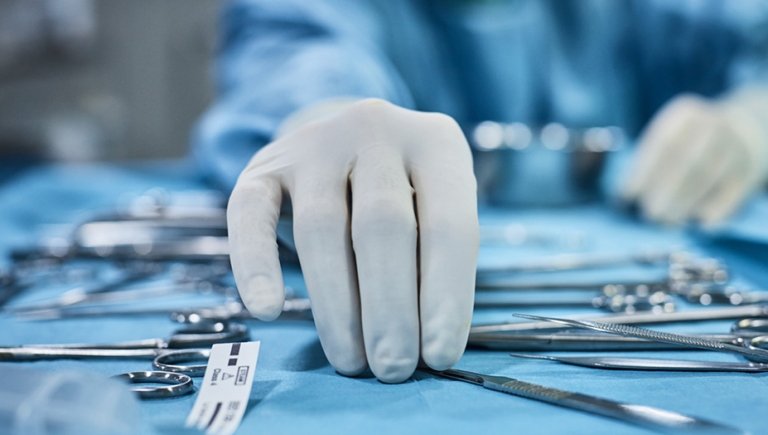
Clinicians must enhance their understanding of research design, epidemiology, and biostatistics to critically evaluate studies and design impactful projects that improve patient care. Developing these skills enables them to collaborate effectively, interpret evidence rigorously, and apply findings meaningfully in clinical settings, ultimately advancing both their careers and health care outcomes.
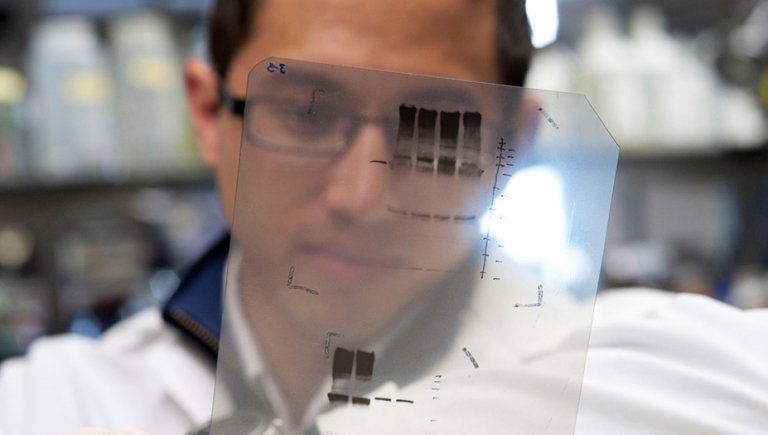
As physicians, nurses, and other health care workers in the United States face increasing pressure to do more with less, there has been growing interest in the benefits of incorporating artistic and humanistic values into medical training to build resilience and wellness.
In the intensive care unit, food is an important symbol for the medical staff, providing a way for them to deal with their sadness and anxiety. Food is also a way to offer comfort to grieving families. Daniela Lamas, a pulmonary and critical care doctor at the Brigham & Women's Hospital, thinks a lot about such telling details that she encounters on the job.
The concept of incorporating simulation technology as a training method is certainly not new; it has been gaining traction in recent years, building on its success in helping pilots advance their knowledge base and confidence.