
How Can the Lifesaving Power of Diagnostics Be More Fully Realized?
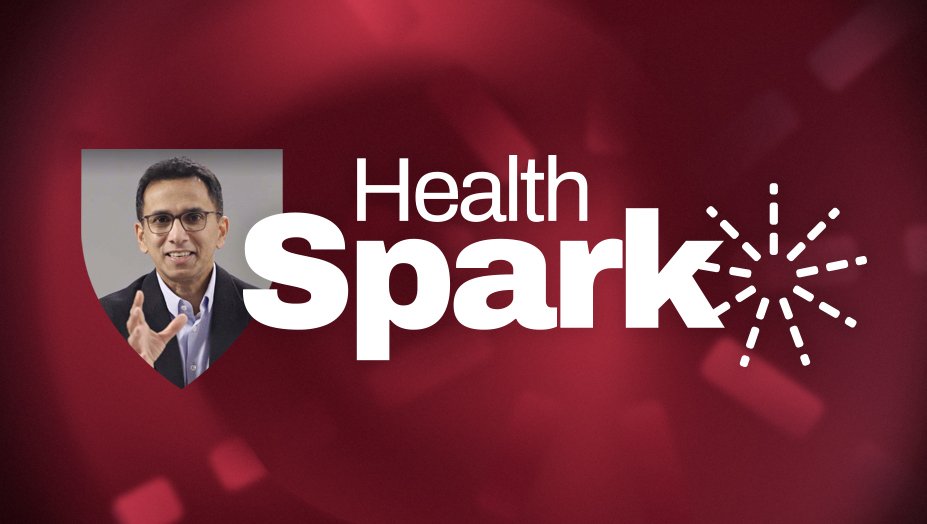
HealthSpark, Episode 12: Rushdy Ahmad, Director of the Wyss Diagnostics Accelerator at Harvard's Wyss Institute, explores how biomarker-driven diagnostics can transform critical unmet needs into groundbreaking tools that reach patients around the world.

How do we turn critical unmet needs into focused innovation?
Behind every life-saving device is a clearly defined problem. Often, it is an urgent, high-risk care gap where failure to act could cost lives. Severe complications in pregnancy, for example, expose how current tools can miss early warning signs and leave clinicians unprepared and families facing sudden, catastrophic hemorrhage. When blood samples are collected throughout pregnancy, but we lack the tests that reliably flag high-risk cases, it raises ethical questions about preventable harm and the responsibility to act on available data. To respond effectively, innovators must understand these unmet needs and recognize that diagnostics are the gateway to any intervention, thereby directing their innovation toward developing tools that improve health outcomes.
What does rigorous evidence look like in device development?
A promising concept is only the start. To become a viable diagnostic or device, the idea must be grounded in robust, reproducible data from well-characterized samples. Building that evidence often requires collaboration across institutions, data sharing, and carefully designed studies. The path from a biomarker signal to a deployable test requires careful study design, rigorous verification and validation, and adherence to regulatory expectations at each stage of development.
How can diagnostics create value across an entire health system?
Diagnostics are more than technical tools. They impact how care is organized, how resources are allocated, and who receives timely interventions. A simple, noninvasive test that reliably flags high-risk patients can redirect care pathways, prevent catastrophic events, and lower overall costs. By realizing that diagnostics are the entry point to effective care, health systems and innovators can prioritize developing tools that improve patient outcomes and strengthen performance across the continuum of care.
Key question to take forward:
As you watch the video and consider your own setting, you might reflect on:
Where could having better, earlier health information most change the decisions you make, reduce uncertainty or risk, or improve outcomes?
Explore Related Programs:
To see how diagnostics progress from concept into safe, effective products, explore the Medical Device Development and Commercialization course in Health Xcelerate.
Medical Device Development and Commercialization
Examine the structure of the medical device industry, including the major types of devices on the market today, how companies are typically organized, their economics, and the keys to success in the industry.
- HealthXcelerate
- Online; Self-Paced
Dates: Always Available
For: Health care professionals throughout the industry seeking better understanding of the health care system