Educating Peru’s Next Generation of Physicians
A new educational initiative at the Universidad Tecnológica del Perú is addressing critical physician shortages in Peru through advanced biomedical coursework, immersive clinical training, and faculty development.
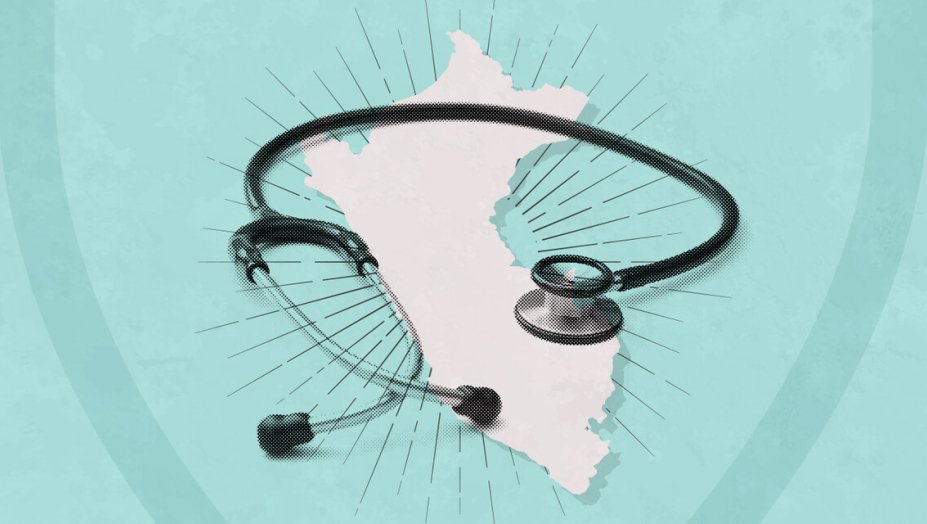
Peru faces a significant gap in its health care workforce. Peru’s physician-to-population ratio continues to lag regional and international benchmarks. The country faces long-standing structural gaps in training capacity and geographic distribution issues that have resulted in persistent shortages, particularly in public services and underserved regions.
The nation requires a new generation of clinicians who are fluent in foundational biomedical science, trained in modern clinical practices, and prepared to elevate care across diverse communities.
Through a new initiative, students, faculty, and staff at Universidad Tecnológica del Perú (UTP) are engaging in a set of Harvard Medical School (HMS) learning experiences designed to help strengthen that pipeline. The work brings together three core components: academic medical immersion in Boston, online education in foundational science, and in-person professional development workshops in Peru.
Intercorp, the Peruvian business conglomerate and owner of UTP, is supporting the initiative. "This initiative directly supports Peru’s need for more and better-trained doctors,” said Greg Manne, director of global partnerships at Intercorp Education. “By strengthening foundational biomedical training and expanding hands-on learning opportunities, we can help prepare the next generation of clinicians to serve a growing and increasingly complex health care system.”
According to Denisse Champin Michelena, the dean of UTP Medical School, the need is clear. She noted that Peru faces longstanding structural gaps in exposure to biomedical science and in opportunities for hands-on training. Students often enter medical school directly after secondary education and begin intensive medical study without broad undergraduate preparation. This structure, common in many parts of the world, means early access to high-quality scientific training can have an outsized impact on long-term development. She emphasized that Peru’s growing network of health care facilities requires clinicians who are not only committed but also trained to standards consistent with modern medical practice.
Harvard Medical School’s role is to help meet this need by offering a series of education and training opportunities that complement UTP’s curriculum. The initiative does not replace existing in-person instruction; instead, it supports students and faculty through additional pathways that deepen scientific understanding, reinforce clinical reasoning, and introduce new modes of experiential learning.
David H. Roberts, dean for external education at HMS, explained that HMS designed its online coursework specifically to help students grasp the links between science and clinical medicine—a challenge shared by medical schools worldwide. In his experience, students often struggle to understand how foundational scientific concepts connect to patient care, especially when years may pass before they apply what they learned. The online program, which includes courses in physiology, genetics, biochemistry, immunology, and pharmacology, is structured to highlight these connections through clinically relevant scenarios and case applications.
Roberts noted that these digital courses have been used globally as supplemental learning resources. For students who need reinforcement, the online content offers alternative explanations and visualizations that can help solidify understanding. For high-performing students seeking enrichment, the platform provides an opportunity to move at a self-paced, advanced level. Roberts emphasized that the goal is to build both knowledge gains and confidence gains—two factors HMS consistently measures when evaluating educational impact.
Jonathan Golergant, rector of UTP, underscored the initiative’s role in raising academic rigor: “By integrating advanced scientific coursework and exposure to high-level clinical environments, we are democratizing access to world-class training. This will elevate our students’ readiness for demanding clinical roles in Peru and beyond.”
While online learning lays the scientific groundwork, the initiative’s second major component—academic medical immersion in Boston—brings students into the HMS environment for hands-on medical skills training. A select group of top-performing students will participate in an intensive, two-week program on the HMS campus, engaging in clinical simulations, lab work, and scenario-based learning guided by HMS faculty. This immersive environment introduces students to real-world clinical thinking, teamwork, and medical decision-making. Golergant described this experience as potentially life-changing for participants, especially in its ability to model the expectations and rigor of advanced medical training.
Manne views this immersion as a way to support “elite talent development,” helping Peru cultivate future clinicians, researchers, and health care leaders. By identifying high-potential students based on their performance in online courses, the program creates a talent pipeline for deeper experiential training. Students gain exposure not only to technology and simulations but also to the culture of collaboration and precision that characterizes high-level medical education.
The initiative’s third component focuses on faculty and staff training within Peru. Roberts noted that HMS is already engaged in discussions about how best to help UTP strengthen its medical school faculty. These in-person workshops—delivered by HMS educators—will support curriculum development, teaching strategies, and pedagogical training. By enhancing faculty capacity, the initiative aims to create sustainable, long-term improvements that benefit future generations of students.
The program offers a model for workforce-scale talent development. Rather than serving a single cohort, the initiative considers the broader ecosystem: students, faculty, institutions, and ultimately the national health care workforce. Roberts highlighted that the underlying philanthropic support was designed with this ecosystem-level impact in mind, not simply to run a single program.
Golergant expects measurable outcomes, including improved student performance, stronger progression rates, and enhanced readiness for advanced training opportunities. He anticipates that students who complete the online coursework and participate in immersion experiences will stand out for their strong foundations and capacity to succeed in demanding academic contexts. Over time, he believes the initiative will contribute to a more scientifically rigorous, globally connected workforce in Peru.
As Peru expands its health care infrastructure, developing well-trained clinicians is essential. The multi-modal approach—combining online science education, immersive medical skills training, and faculty development—offers one pathway toward achieving that goal. By equipping students and educators with advanced tools, experiences, and teaching methods, the initiative supports a future in which Peruvian patients receive care from professionals trained to the highest global standards.