
Update in
Hospital Medicine 2026
- Continuing Education

This intensive CME program updates busy practitioners on current best practices in hospital medicine. The curriculum covers more than 30 core topics, with an emphasis on practical management of common problems. Using a case-based format, lecturers distill recent evidence, guidelines, and expert opinion to offer “bottom line” recommendations.
- Live Online
This program uses state-of-the-art streaming technology to present sessions online in real time. Participants can attend from any location, and can interact with faculty via live chat.
Additionally, all sessions will be recorded and made available to participants for online viewing for 90 days after the end of the course.
All live streaming and recorded sessions are eligible for AMA PRA Category 1 Credits™ and other relevant credits. (Note: Evaluations must be completed within 60 days of the conclusion of the course to receive CME credit.)
$1,075
The tuition listed above is for most health professionals; it is $537 for residents and fellows.
Continuing Education
Earn up to:
» 38.00 AMA PRA Category 1 Credits™
» 38.00 ABIM MOC points
» 28.25 Live AAFP Prescribed credits
» 38.00 European CME credits (ECMEC®)
» 13.50 credits Risk Management Study, including 1.75 credits of Opioid Education and Pain Management Training and 0.75 credits of End-of-Life Care Education
» Commensurate credits through the Royal College of Physicians and Surgeons of Canada
4 Days
This intensive program, which is among the highest-rated Harvard Medical School CME courses, updates busy practitioners on current best practices in hospital medicine.
On This Page
Overview
Comprehensive updates, advances, and best practices to optimize inpatient care
Update in Hospital Medicine is a live online course, using live streaming, electronic Q&A, and other remote learning technologies.
This 4-day intensive program updates busy practitioners on current best practices in hospital medicine. The curriculum covers more than 30 core topics, with an emphasis on practical management of common problems:
- Heart failure
- Atrial fibrillation
- Bedside procedures
- Acute pain management
- Acute coronary syndromes
- Coronary imaging
- Diabetes
- Preoperative evaluation
- Psychiatric disorders
- ECG interpretation
- Radiology interpretation
- Bacteremia
- UTI
- Pneumonia
- Drug-resistant infections
- ICU transfer
- Skin and soft tissue infections
- Stroke/TIA
- C. difficile
- End-stage renal disease
- Endocrinology
- Interstitial lung and pleural disease
- Rheumatology
- HIV
- GI bleed
- Hematology
- Geriatrics
- Delirium
- Alcohol withdrawal
- Opioid use disorder
- COPD
- Laboratory interpretation
- Dermatology
- Electrolyte disorders
- Challenging hospital medicine cases
- Syncope
- Venous thromboembolism
- Pancreatobiliary disease
- Cirrhosis
- Antibiotics
- Serious illness conversations
- Pregnancy
Using a case-based format, lecturers distill recent evidence, guidelines, and expert opinion to offer “bottom line” recommendations. Faculty include both hospitalists and specialists, and rank among the best teachers at Harvard Medical School.
2026 PROGRAM HIGHLIGHTS
- ID pearls for choosing the right antibiotic, every time
- Coronary CTA vs. cath: how to pick the right patient for the right test
- Heart failure updates: should we stagger quadruple GDMT initiation?
- Challenging inpatient hyperglycemia: real-world cases
- Suzetrigine: a new non-opioid option for acute pain
- Rapid-fire, can’t-miss diagnoses: electrolytes, CBCs, LFTs, ECGs, imaging
- Buprenorphine microdosing: protocols you can use tomorrow
- Phenobarbital over benzodiazepines? Evolving strategies for alcohol withdrawal
- Factor XI inhibitors: less bleeding, same protection?
- Transfusion thresholds revisited: is liberal back?
- Antipsychotics for delirium: a risk-stratified approach
- Breakthrough stroke on anticoagulation: switch or stay?
- Pain management in patients with substance use disorder: best practices
- Stroke thrombolysis: is the window really 24 hours?
- Complicated UTIs: new guidelines, simpler decisions
- DAPT vs. SAPT: is less more?
- GLPs and surgery: when to hold them preoperatively
- Subcutaneous opioids
- Ultra-short-course antibiotics: where is the evidence strongest?
- Stable CAD and new AFib: time to drop the aspirin?
- Reduced-dose anticoagulation for patients with high bleeding risk
- Oral fecal microbiota therapy: moving toward first-line treatment for C. difficile?
- 7 vs. 14 days of antibiotics for bacteremia: how short is safe?
- Syncope: validated tools for real-time risk stratification
- ACEi/ARB before surgery: what new trial data tell us
- Managing medical complications in pregnancy and postpartum (HELLP and beyond)
- Early IV-to-PO antibiotic transitions: when and how
- Inpatient pain management: strategies for safer prescribing
- New-onset atrial fibrillation: is stroke risk lower than we thought?
- AI in hospital medicine: hype vs. bedside reality
- CGM inpatient use
- Updated sepsis definitions and phenotypes: does it change management?
- De-implementation: things we should stop doing in 2026
Additional details
ACCESS TO RECORDINGS OF ALL SESSIONS
In addition to being live streamed, all sessions of the course will be recorded and placed in the online course library, enabling registrants to view them at their convenience. Recordings will be available for viewing for 90 days. All live streaming and recorded sessions are eligible for AMA PRA Category 1 Credits™ and other relevant credits, up to the approved maximum. (Note: Evaluations must be completed within 60 days of the conclusion of the course to receive CME credit.)
Developed and Offered By:

Continuing Education courses are developed by faculty from Harvard Medical School's teaching hospitals and accredited by Harvard Medical School. This course is offered by Brigham and Women's Hospital.

Who Should Participate
- Hospitalists
- Internists
- Family Physicians
- Nurse Practitioners
- Physician Assistants
...and other clinicians caring for hospitalized patients
Schedule
This program is among the highest-rated Harvard Medical School CME courses.
All agenda sessions are in Eastern Time.
Please note that program changes/substitutions may be made without notice.
Monday, November 2, 2026
Welcome and Introductions
Course Directors
9:45-10:00 am
Let’s Rheuminate: Answers to Common Questions in Inpatient Rheumatology
Dr. Michael Di Iorio
10:00-10:50 am
Management of Critical Illness Before ICU Transfer
Dr. Rebecca Baron
10:50-11:35 am
Break
11:35-11:45 am
Centering Equity in Hospital Medicine
Drs. Michelle Morse and Bram Wispelwey
11:45 am-12:30 pm
Break
12:30-1:20 pm
Goals of Care Conversations in Hospital Medicine
Dr. Richard Leiter
1:20-2:05 pm
Break
2:05-2:15 pm
Skin and Soft Tissue Infections and Common Mimics
Dr. Adam Lipworth
2:15-3:05 pm
Difficult Dermatology Cases for the Hospitalist
Dr. Madeline DeWane
3:05-3:50 pm
Break
3:50-4:00 pm
Pain Pointers: Practical Approaches to Managing Acute Pain in the Hospital
Dr. Morgan Esperance
4:00-4:45 pm
Recent Advances in Heart Failure Management
Dr. Anju Nohria
4:45-5:40 pm
Break
5:40-5:50 pm
Updates in the Diagnosis and Management of C. diff
Dr. John Ross
5:50-6:35 pm
Adjourn Day 1 Live Program
6:35 pm
Self-Paced Study
Time for self-paced study of any of the pre-recorded sessions, including the following:
Rapid-Fire Electrolyte Cases for the Hospitalist: Na, Ca
Dr. David Krakow
Rapid-Fire Lab Interpretation for the Hospitalist
Dr. David Krakow
Tuesday, November 3, 2026
Bedside Procedures for the Hospitalist
Dr. David Lee
9:45-10:30 am
Evidence-Based Management of COPD
Dr. Scott Schissel
10:30-11:15 am
Break
11:15-11:25 am
Interstitial Lung / Pleural Disease
Dr. Scott Schissel
11:25 am-12:10 pm
Break
12:10-1:00 pm
Stroke in Hospital Medicine
Dr. Alexis Roy
1:00-1:45 pm
Can’t-Miss Radiology Diagnoses
Dr. Jennifer Uyeda
1:45-2:35 pm
Break
2:35-2:45 pm
Best Practices in Delirium Management
Dr. Shoshana Streiter
2:45-3:35 pm
State-of-the-Art Management of Pancreatitis and Biliary Tract Disease
Dr. Linda Lee
3:35-4:30 pm
Alcohol Withdrawal: A Case-Based Approach for the Hospitalist
Dr. Lisa Vercollone
4:30-5:25 pm
Break
5:25-5:35 pm
Inpatient Management of Opioid Use Disorder
Dr. Lisa Vercollone
5:35-6:30 pm
Adjourn Day 2 Live Program
6:30 pm
Self-Paced Study
Time for self-paced study of any of the pre-recorded sessions, including the following:
Pregnancy: What a Hospitalist Needs to Know
Dr. Meghan Rudder
Current Strategies and Common Questions in the Management of Urinary Tract Infections
Dr. Sigal Yawetz
Wednesday, November 4, 2026
Cirrhosis for the Hospitalist
Dr. Anna Rutherford
9:45-10:45 am
GI Bleed: What a Hospitalist Needs to Know
Dr. Tyler Berzin
10:45-11:35 am
Break
11:35-11:45 am
Evidence-Based Management of Acute Coronary Syndromes
Dr. Marc Sabatine
11:45 am-12:40 pm
Break
12:40-1:30 pm
Rapid-Fire Hematology Cases
Dr. Alfred Lee
1:30-2:25 pm
Inpatient Management of Patients with Psychiatric Disease
Dr. Sejal Shah
2:25-3:10 pm
Break
3:10-3:20 pm
CKD and ESRD Management for the Hospitalist
Dr. Gearoid McMahon
3:20-4:05 pm
Update in Atrial Fibrillation
Dr. Yee-Ping Sun
4:05-5:00 pm
Improving the Evaluation and Management of Syncope
Dr. Kapil Kumar
5:00-5:50 pm
Adjourn Day 3 Live Program
5:50 pm
Self-Paced Study
Time for self-paced study of any of the pre-recorded sessions, including the following:
ECG: Can’t-Miss Diagnoses
Dr. Sanjay Divakaran
Current Approaches in the Management of Venous Thromboembolism
Dr. Samuel Goldhaber
Thursday, November 5, 2026
Current and Emerging Concepts for Preoperative Evaluation
Dr. Adam Schaffer
9:45-10:35 am
Evidence-Based Approaches to Inpatient Hyperglycemia
Dr. Nadine Palermo
10:35-11:35 am
Break
11:35 am-12:25 pm
Do I Really Need Meropenem? Common ID Curbsides
Dr. Hayden Andrews
12:25-1:20 pm
Care of the Hospitalized Patient with HIV
Dr. Paul Sax
1:20-2:05 pm
Break
2:05-2:15 pm
Anticoagulation and Hypercoagulable States
Dr. Robert Stern
2:15-3:15 pm
Inpatient Diagnosis and Management of Pneumonia
Dr. Michael Klompas
3:15-4:05 pm
Break
4:05-4:15 pm
Management of Bacteremia
Dr. Michael Klompas
4:15-5:00 pm
Beyond the IV: A New Standard for Inpatient Opioid Use
Dr. Adam Ackerman
5:00-5:45 pm
Adjourn Live Program
5:45 pm
Self-Paced Study
Time for self-paced study of any of the pre-recorded sessions, including the following:
Inpatient Endocrinology Pearls
Dr. J. Carl Pallais
Choosing the Best View: Patient-Centered Cardiovascular Imaging for Coronary Artery Disease
Dr. Diana Lopez
Antibiotics: A Comprehensive Update and Pearls for the Hospitalist - Part I
Dr. Jennifer Johnson
Antibiotics: A Comprehensive Update and Pearls for the Hospitalist - Part II
Dr. Jennifer Johnson
Optimized for Remote Education
In addition to being live streamed, all sessions and Q & A discussions will be recorded and made available to participants for online viewing for 90 days after the end of the course. This on-demand archive will permit those in different time zones or who have scheduling conflicts to avoid missing out on any sessions that are important to them. In addition, participants can review sessions to reinforce key learning points.
All live streaming and recorded sessions are eligible for AMA PRA Category 1 Credits™ and other relevant credits. (Note: Evaluations must be completed within 60 days of the conclusion of the course to receive CME credit.)

Learning Objectives
Upon completion of this course, participants will be able to apply the following:
- Best practices for management of common problems in hospital medicine
- Seminal studies and updates in the literature
- Recent guidelines changes and recommendations
- Expert opinions where the data are lacking
- Pearls for interpreting common diagnostic studies
Faculty
Course Directors
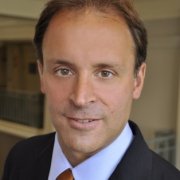
Christopher L. Roy
MD, SFHM
- Medical Director, Hospital Medicine Unit, Brigham and Women's Hospital
- Assistant Professor of Medicine, Harvard Medical School

Glen M. Kim
MD, MPH
- Director of Education, Hospital Medicine Unit, Brigham and Women's Hospital
- Instructor in Medicine, Harvard Medical School

Elizabeth M. Petersen
MD, MPH, FHM
- Program Director, Medicine-Pediatrics Residency, Brigham and Women’s Hospital/Boston Children’s Hospital
- Instructor in Medicine, Harvard Medical School
Assistant Directors
Nickie Burney
NP
- Nurse Practitioner, FACT Hospitalist Service, Brigham and Women’s Faulkner Hospital
- Associate Professor of Practice, School of Nursing, Simmons University
Matthew DiFrancesco
MD
- Assistant Program Director, Internal Medicine Residency Program, Brigham and Women's Hospital
- Instructor in Medicine, Harvard Medical School
Herrick "Cricket" Fisher
MD, DPhil
- Director, Integrated Teaching Unit, Internal Medicine Residency
- Unit Medical Director, Hospital Medicine Unit
- Brigham and Women's Hospital
- Assistant Professor of Medicine, Harvard Medical School
Liz Hankinson
MPH, MSHS, PA-C
- Physician Assistant Manager, Hospital Medicine Unit
- Brigham and Women's Hospital
John J. Ross
MD, CM, FIDSA
- Associate Physician, Hospital Medicine Unit
- Brigham and Women’s Hospital
- Assistant Professor of Medicine, Harvard Medical School
Adam C. Schaffer
MD
- Director of General Medical Consultation, Hospital Medicine Unit, Brigham and Women’s Hospital
- Assistant Professor of Medicine, Part-time, Harvard Medical School
Rebecca M. Baron, MD, Associate Professor of Medicine, Harvard Medical School; Brigham and Women’s Hospital
Tyler M. Berzin, MD, MS, Associate Professor of Medicine, Harvard Medical School; Beth Israel Deaconess Medical Center
Madeline E. DeWane, MD, Instructor in Dermatology, Harvard Medical School; Massachusetts General Hospital
Michael A. Di Iorio, MD, Instructor in Medicine, Part-time, Harvard Medical School; Brigham and Women’s Hospital
Sanjay Divakaran, MD, Assistant Professor of Medicine, Harvard Medical School; Brigham and Women’s Hospital
Morgan C. Esperance, MD, Instructor in Medicine, Harvard Medical School; Brigham and Women’s Hospital
Samuel Z. Goldhaber, MD, Professor of Medicine, Harvard Medical School; Brigham and Women’s Hospital
Jennifer A. Johnson, MD, Assistant Professor of Medicine, Harvard Medical School; Brigham and Women’s Hospital
Michael Klompas, MD, Professor of Medicine and Population Medicine, Harvard Medical School; Brigham and Women’s Hospital
Kapil Kumar, MD, Instructor in Medicine, Harvard Medical School; Harvard Vanguard Medical Associates; Beth Israel Deaconess Medical Center
Linda S. Lee, MD, Associate Professor of Medicine, Harvard Medical School; Brigham and Women’s Hospital
Richard E. Leiter, MD, Assistant Professor of Medicine, Harvard Medical School; Dana-Farber Cancer Institute
Adam D. Lipworth, MD, Assistant Professor of Dermatology, Part-time, Harvard Medical School; Dermatology Division Chair, Lahey Hospital and Medical Center
Diana M. Lopez, MD, Instructor in Medicine, Harvard Medical School; Brigham and Women’s Hospital
Gearoid M. McMahon, MBBCh, Assistant Professor of Medicine, Harvard Medical School; Brigham and Women’s Hospital
Michelle E. Morse, MD, MPH, Assistant Professor of Medicine, Part-time, Harvard Medical School; Chief Medical Officer and Deputy Commissioner for Center for Health Equity and Community Wellness at New York City Department of Health
Nadine E. Palermo, DO, Instructor in Medicine, Harvard Medical School; Brigham and Women's Hospital
J. Carl Pallais, MD, MPH, Assistant Professor of Medicine, Harvard Medical School; Brigham and Women's Hospital
Elizabeth M. Petersen, MD, MPH, Instructor in Medicine, Harvard Medical School; Brigham and Women’s Hospital
John J. Ross, MD, Assistant Professor of Medicine, Harvard Medical School; Brigham and Women’s Hospital
Alexis T. Roy, MD, Instructor in Neurology, Harvard Medical School; Brigham and Women’s Hospital
Megan L. Rudder, MD, Instructor in Medicine, Harvard Medical School; Brigham and Women’s Hospital
Anna E. Rutherford, MD, MPH, Assistant Professor of Medicine, Harvard Medical School; Brigham and Women’s Hospital
Marc S. Sabatine, MD, MPH, Professor of Medicine, Harvard Medical School; Brigham and Women’s Hospital
Paul E. Sax, MD, Professor of Medicine, Harvard Medical School; Brigham and Women's Hospital
Adam C. Schaffer, MD, Lecturer on Health Care Policy, Part-time and Assistant Professor of Medicine, Part-time, Harvard Medical School; Brigham and Women’s Hospital
Sejal B. Shah, MD, Assistant Professor of Psychiatry, Harvard Medical School; Brigham and Women’s Hospital
Robert Stern, MD, Assistant Professor of Medicine, Harvard Medical School; Dana-Farber Cancer Institute
Shoshana Streiter, MD, Instructor in Medicine, Harvard Medical School; Brigham and Women’s Hospital
Yee-Ping Sun, MD, Assistant Professor of Medicine, Harvard Medical School; Brigham and Women’s Hospital
Jennifer W. Uyeda, MD, Assistant Professor of Radiology, Harvard Medical School; Brigham and Women’s Hospital
Lisa W. Vercollone, MD, PharmD, Instructor in Medicine, Harvard Medical School; Brigham and Women’s Hospital
Bram Wispelwey, MD, MS, MPH, Instructor in Medicine, Harvard Medical School; Brigham and Women's Hospital
Sigal Yawetz, MD, Assistant Professor of Medicine, Harvard Medical School; Brigham and Women’s Hospital
Adam Ackerman, MD, FACP, Assistant Clinical Professor of Internal Medicine, Yale School of Medicine
Hayden S. Andrews, MD, Assistant Professor of Internal Medicine, Division of Infectious Diseases and Geographic Medicine, University of Texas Southwestern Medical Center
David A. Krakow, MD, Assistant Professor of Medicine, Emory University School of Medicine; Director of Hospital Medicine, Emory University Hospital
Alfred Lee, MD, PhD, Professor of Medicine (Hematology); Program Director for the Hematology/Oncology Fellowship Program, Yale School of Medicine; Chief of the Classical Hematology Program, Yale New Haven Hospital
David F. Lee, MD, Assistant Professor of Medicine, Emory University School of Medicine
Anju Nohria, MD, Clinical Professor of Medicine, NYU Grossman School of Medicine
Scott L. Schissel, MD, PhD, Chief Medical Officer, Newark (NJ) Beth Israel Medical Center
Lisa W. Vercollone, MD, PharmD, General Medicine Consultant, Dunedin Hospital, Health New Zealand
Course Fees
Registration Details
Registrations for Harvard Medical School CME programs are made via our secure online registration system. At the end of the registration process, a $10 non-refundable processing fee will be added to your registration.
Upon receipt of your paid registration, an email confirmation will be sent to you. Be sure to include an email address that you check frequently. Your email address is used for critical information, including registration confirmation, evaluation, and certificate.
Please review the cancellation policy.
| Role | Course Fee |
|---|---|
| Physician (MD/DO) | $1,075 |
| Nurse (RN/APRN) | $1,075 |
| PA | $1,075 |
| Resident / Fellow | $537 |
| Allied Health Professional / Other | $1,075 |
Your tuition includes an electronic version of the course materials.
All sessions will be recorded as they are live streamed and placed in the online course video library, so that registrants can review them at their convenience. The video library will be available for 90 days after the conclusion of the course.
Accreditation

The Harvard Medical School designates this live activity for a maximum of 38.00 AMA PRA Category 1 Credit(s)™. Physicians should claim only the credit commensurate with the extent of their participation in the activity.
Successful completion of this CME activity, which includes participation in the evaluation component, enables the participant to earn up to 38.00 Medical Knowledge MOC points in the American Board of Internal Medicine’s (ABIM) Maintenance of Certification (MOC) program. Participants will earn MOC points equivalent to the amount of CME credits claimed for the activity. It is the CME activity provider’s responsibility to submit participant completion information to ACCME for the purpose of granting ABIM MOC points.
The AAFP has reviewed Update in Hospital Medicine 2026 and deemed it acceptable for up to 28.25 Live AAFP Prescribed credit(s). Term of Approval is from 11/02/2026 to 11/05/2026. Physicians should claim only the credit commensurate with the extent of their participation in the activity.
This activity meets the criteria of the Massachusetts Board of Registration in Medicine for 13.50 credits of Risk Management Study. This includes:
- 1.75 credits of Opioid Education and Pain Management Training
- 0.75 credits of End-of-Life Care Education
Please check your individual state licensing board requirements before claiming these credits.
For the purpose of recertification, the American Academy of Nurse Practitioners Certification Board and American Nurses Credentialing Center accept AMA PRA Category 1 Credit™ issued by organizations accredited by the ACCME (Accreditation Council for Continuing Medical Education). We would also suggest that learners check with their state licensing board to ensure they accept reciprocity with AMA PRA Category 1 Credit™ for re-licensure.
The National Commission on Certification of Physician Assistants (NCCPA) states that AMA PRA Category 1 Credits™ are acceptable for continuing medical education requirements for recertification. We would also suggest that learners check with their state licensing board to ensure they accept reciprocity with AMA PRA Category 1 Credit™ for re-licensure.
The Royal College of Physicians and Surgeons of Canada recognizes conferences and workshops held outside of Canada that are developed by a university, academy, hospital, specialty society or college as accredited group learning activities.
The American Medical Association (AMA) has an agreement of mutual recognition of continuing medical education (CME) credit with the European Union of Medical Specialists (UEMS). Additional information regarding this agreement may be found on the Union of European Medical Specialists website.