
Boston Sports Cardiology Summit
- Continuing Education
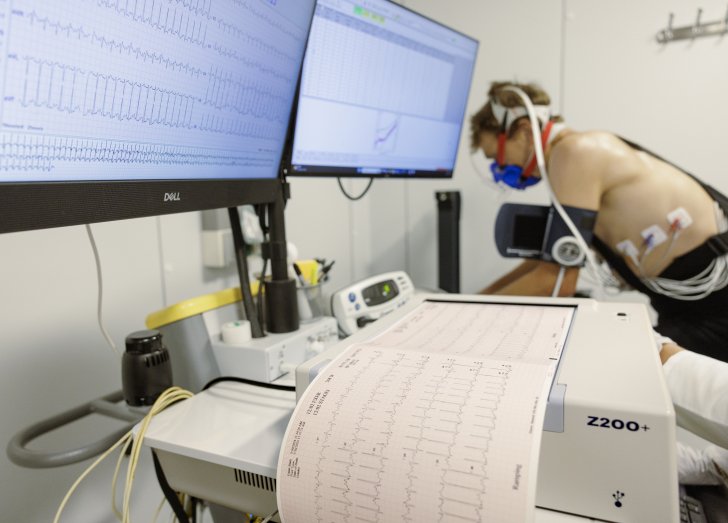
Join the first Harvard University–affiliated continuing education course in sports cardiology and gain practical, case-based insights that empower you to deliver evidence-driven care to athletes and active individuals across every level of performance.
- Live Online or In Person
This course is taught Live Online and In Person.
Additionally, all sessions will be recorded and made available to participants for online viewing for 60 days after the end of the course.
Fairmont Copley Hotel | 138 St James Ave, Boston, MA 02116
$599
For a full list of profession pricing see below.
View All
Continuing Education
Earn up to:
15.50 AMA PRA Category 1 Credit(s) ™
View All
All evaluations and credit claims must be completed within 60 days of the course end date.
2 Days
Please view the Schedule for a full description of the program.
On This Page
Overview
This is a new Harvard-affiliated educational initiative highlighting the full spectrum of sports cardiology practice, performance, and policy — bridging elite, recreational, and tactical populations. This new educational activity will be the first Harvard-affiliated continuing education course devoted to the emerging field of sports cardiology. The course will showcase Mass General Brigham Sports Cardiology as a leader in the care of athletes and active individuals.
Through case-based sessions, interactive panels, and faculty-led debates, this course will equip clinicians to translate the latest evidence into real-world decision-making for athletes and active individuals.
Learning Objectives
- Apply contemporary national and international guidelines to the cardiovascular evaluation of competitive and recreational athletes across the age and performance spectrum.
- Distinguish physiologic athletic cardiac remodeling from pathologic conditions, including cardiomyopathies, coronary artery disease, and arrhythmogenic substrates.
- Interpret athlete-specific electrocardiographic findings, including updated international ECG criteria, and identify patterns that warrant further evaluation or restriction.
- Risk-stratify athletes with arrhythmias (including atrial fibrillation, PVCs, and ventricular arrhythmias) and formulate evidence-based management and return-to-play strategies.
- Utilize advanced cardiac imaging modalities (echocardiography, cardiac MRI, and cardiac CT) to assess structural heart disease and cardiovascular risk in athletes.
- Evaluate coronary risk in endurance and masters athletes, incorporating CAC scoring, plaque characteristics, exercise exposure, and shared decision-making.
- Integrate cardiopulmonary exercise testing (CPET) into the clinical assessment of athletes to inform diagnosis, prognosis, and performance-related decision-making.
- Incorporate wearable technologies and remote monitoring data into athlete care, recognizing their strengths, limitations, and clinical implications.
- Implement shared decision-making frameworks for clearance, restriction, and return-to-play decisions in athletes with complex or borderline cardiovascular findings.
- Address cardiovascular considerations in special athletic populations, including female athletes, pediatric and transitioning athletes, military and tactical athletes, and those exposed to extreme environments.
- Recognize the psychological impact of clearance and restriction decisions on athletes and integrate mental health considerations into cardiovascular care.
- Develop and operationalize athlete safety systems, including emergency action plans, AED deployment, and community-based prevention strategies.
- Translate emerging sports cardiology evidence into real-world clinical practice, improving cardiovascular outcomes while supporting safe athletic participation.
Developed and Offered By:

Continuing Education courses are developed by faculty from Harvard Medical School's teaching hospitals and accredited by Harvard Medical School. This course is offered by Massachusetts General Hospital.

Who Should Participate
Specialty Physicians, Physician Assistants, Nurses, Nurse Practitioners, Primary Care Physicians, and Others
Schedule
All agenda sessions are in Eastern Time.
Friday, September 25, 2026
Welcome & Course Overview
James Sawalla Guseh; Katie Stewart
8:00-8:10 am
Contemporary Athlete Evaluation: Bridging Guidelines, Gray Zones, and Real-World Practice
Jonathan Kim
8:10-8:25 am
Military & Tactical Athletes: An Update on the Guidelines
Beth Dineen
8:25-8:40 am
Sports Participation in Athletes with Arrhythmias: Key Updates from the 2024 HRS Clinical Guidelines
Rachel Lampert
8:40-8:55 am
Updated International ECG Criteria in Athletes (2025): What’s New and What Matters
Jonathan Drezner
8:55-9:10 am
Athlete ECG Interpretation: Pitfalls, Patterns, and High-Risk Findings
Sanjay Sharma
9:10-9:25 am
Interactive ECG Review: You Make the Call (Audience Participation)
Jonathan Kim; Rachel Lampert; Jonathan Drezner; Sanjay Sharma; Eugene Chung
9:25-9:55 am
Break
9:55 - 10:15 am
Sudden Cardiac Death in Athletes: Epidemiology, Risk Signals & Prevention
Christine Albert
10:15-10:30 am
Sudden Cardiac Arrest in Athletes: NCAA Data in Context
Brad Petak
10:30-10:45 am
Pre-Participation Screening & Prevention: Lessons from the Sidelines
Kim Harmon
10:45-11:00 am
Wearables & Remote Monitoring in Athlete Care
Jeff Hsu
11:00-11:15 am
Atrial Fibrillation in Athletes: Mechanisms, Management & Return to Play
Katie Stewart
11:15-11:30 am
PVCs & Ventricular Arrhythmias in Athletes: When to Reassure, When to Worry
Eugene Chung
11:30-11:45 am
Arrhythmia Case Presentations & Panel Discussion
Eugene Chung; Brad Petak; Kim Harmon; Jeff Hsu; Katie Stewart
11:45 am-12:15 pm
Break for Lunch
12:15 - 12:30 pm
Lunch and Learn: Cardiopulmonary Exercise Testing in the Evaluation of Athletes - Live Demonstration & Clinical Interpretation Pearls
James Sawalla Guseh
12:30 - 1:15 pm
RACER I & II: What Marathon Data Tell Us About Coronary Risk
Aaron Baggish
1:15-1:30 pm
Coronary Disease in the Masters Endurance Athlete: CAC, Plaque, Physiology & Prognosis
Ben Levine
1:30-1:45 pm
Optimal Management of the Masters Athlete with Coronary Artery Disease- Medical Therapy vs. Revascularization Debate with Case Presentation
Sheela Krishnan; Satya Reddy
1:45-2:00 pm
Cardiac Rehabilitation to Competitive Return: Re-Training the Masters Athlete With CAD
Nathaniel Moulson
2:20-2:35 pm
Break
2:35 - 2:50 pm
Echocardiography in the Athlete: Beyond Wall Thickness
Rory Weiner
2:50-5:05 pm
Advanced Cardiac MRI in the Athlete with Hypertrophic Cardiomyopathy
Albree Tower-Rader
3:05-3:20 pm
The Athletic Aorta: Remodeling, Surveillance & Return-to-Play
Tim Churchill
3:20-3:35 pm
Myocarditis in Athletes: New Guideline, Imaging & Return-to-Play
Matthew Martinez
3:35-3:50 pm
Interactive Imaging Case Presentations & Panel Discussion
Matthew Martinez; Rory Weiner; Tim Churchill; Albree Tower-Rader
3:50-4:10 pm
From the Sidelines to a Discipline: The Birth and Evolution of Sports Cardiology Paul Thompson: Lifetime Achievement Award
Aaron Baggish
4:10-5:00 pm
Saturday, September 26, 2026
Welcome & Reflections
James Sawalla Guseh
7:55-8:00 am
The Heart of Boston Sports: Caring for the Athletes Across a Lifetime
James Januzzi
8:00-8:15 am
Sports Cardiology Jeopardy
Ankit Shah; Ben Levin; Aaron Baggish; Rachel Lampert; Matthew Martinez
8:15-9:30 am
Break
9:30 - 9:45 am
ARVC in Athletes: Right Ventricular Remodeling, Imaging & the Genetics of Disease
Andre LaGerche
9:45-10:00 am
Hypertrophic Cardiomyopathy in Athletes: Genetics, Risk Stratification & Shared Decision-Making
Neal K. Lakdawala
10:00-10:15 am
When Sudden Cardiac Arrest is the First Phenotype: Evaluation, Diagnosis & Return-to-play
Mark Haigney
10:15-10:30 am
The Psychological Impact of Athletic Clearance, Restriction & Return-to-Play
Emily Saul
10:30-10:45 am
Case Presentations and Panel Discussion
Andre LaGerche; Neal K. Lakdawala; Mark Haigney; Emily Saul
10:45-11:15 pm
Patient Capstone: From No Sports at All to the Top of the World
Peter Horsman
11:15-12:00 pm
LUNCH ON YOUR OWN
12:00 - 1:00 pm
Female Athletes Across the Lifespan: Performance, Pregnancy & Cardiovascular Risk
Tamana Singh
1:00-1:15 pm
Extremes of Exercise: Space, Altitude & Cardiovascular Adaptation
Tamana Singh
1:15-1:30 pm
Disparities by the Numbers
Aubrey Grant
1:30-1:45 pm
Operational Cardiology in the Armed Forces: Readiness & Return to Duty
Caroline Murphy
1:45-2:00 pm
Case Presentations and Panel Discussion: Clearance, Equity & Decision-Making Across Special Populations
2:00-3:00 pm
Break
3:00 pm
The Pediatric Athlete: Growth, Remodeling & Red Flags
Silvana Molossi
3:15-3:30 pm
Clearance, Restriction & Risk in the Young Athlete
Peter Dean
3:30-3:45 pm
Transitioning the Athlete to Adult Care: Where Things Break Down
Keri Shafer
3:45-4:00 pm
Community-Based Athlete Safety at Scale: Advocacy in Action
Alfred Danielian
4:00-4:15 pm
Emergency Action Plans & AED Deployment: What Actually Saves Lives
Eli Friedman
4:15-4:30 pm
Real Life Scenarios: Cases in this Population
Silvana Molossi
4:30-4:50 pm
Final Capstone: Launch of the Sports Cardiology Society
Matthew Martinez
4:50-5:00 pm
Adjourn
5:00-5:10 pm
Faculty
Harvard Medical School Continuing Education attracts the best and brightest faculty from all around the world. As a student in this course, you’ll have access to outstanding course directors and faculty.
Course Directors
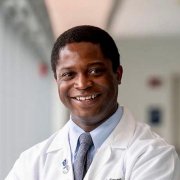
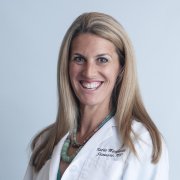
Katie Stewart
MS, NP, FACC
Christine Albert, MD, MPH
Aaron Baggish, MD
Eugene Chung, MD
Tim Churchill, MD
Alfred Danelian, MD
Peter Dean, MD
Lisa Defabritiis, BS
Beth Dineen, DO
Jonathan Drezner, MD
Eli Friedman, MD
Aubrey Grant, MD
Mark Haigney, MD
Kimberly Harmon, MD
James Januzzi
Jonathan Kim, MD
Sheela Krishnan, MD
Andre LaGerche, MD
Neal K. Lakdawala, MD
Rachel Lampert, MD
Ben Levine, MD
Gregory D. Lewis, MD
Matthew Martinez, MD
Silvana Molossi, MD
Nathaniel Moulson, MD
Caroline Murphy, MD
Michael Papadakis, MD
Brad Petak, MD
Dermot Phelan, MD
Satya Reddy, MD
Emily Saul, EdM, LMHC
Keri Shafer, MD
Ankit Shah, MD
Sanjay Sharma, MD
Tamana Singh, MD
Albree Tower-Rader
Rory Weiner, MD
Hotel Information
The Fairmont Copley Plaza
138 St. James Avenue
Boston, MA 02116
Hotel Reservation can be booked here.
Request Information
Interested in learning more about this program? Sign up for details.
Course Fees
Registration Details
You may register through our secure online environment and will receive an email confirmation upon receipt of your payment. Prices include CME credit, electronic syllabus, and most of the recordings are available for up to 60 days after the course ends. At the end of the registration process, a $10 non-refundable processing fee will be added to your registration.
| Role | Course Fee |
|---|---|
| Physician (MD/DO) | $599 |
| Resident / Fellow | $299 |
| Allied Health Professional / Other | $499 |
Accreditation

The Harvard Medical School designates this live activity for a maximum of 15.50 AMA PRA Category 1 Credit(s)™. Physicians should claim only the credit commensurate with the extent of their participation in the activity.
Harvard Medical School designates this live activity for a maximum of 15.50 ANCC contact hours.
The National Commission on Certification of Physician Assistants (NCCPA) states that AMA PRA Category 1 Credits™ are acceptable for continuing medical education requirements for recertification. We would also suggest that learners check with their state licensing board to ensure they accept reciprocity with AMA PRA Category 1 Credit™ for re-licensure.
Successful completion of this CME activity, which includes participation in the evaluation component, enables the participant to earn up to 15.50 MOC points in the American Board of Internal Medicine’s (ABIM) Maintenance of Certification (MOC) program. It is the CME activity provider’s responsibility to submit participant completion information to ACCME for the purpose of granting ABIM MOC credit.
The Royal College of Physicians and Surgeons of Canada recognizes conferences and workshops held outside of Canada that are developed by a university, academy, hospital, specialty society or college as accredited group learning activities.
The American Medical Association (AMA) has an agreement of mutual recognition of continuing medical education (CME) credit with the European Union of Medical Specialists (UEMS). Additional information regarding this agreement may be found on the Union of European Medical Specialists website.