
Technology-Enabled Care Delivery: From Digital Medicine to AI
- Certificate Program

Develop the clinical, operational, and regulatory skills required to lead the adoption and scaling of digital and AI-driven care models.
- Blended
This program requires attendance online and at one in-person workshop, October 24–26, 2026.
Boston
$8,500
Please see more program fee information below.
Certificate
A certificate of completion will be awarded at the end of this program.
3 Days In Person; Two Months Online Work
Before the in-person event, you will receive foundational content, attend webinars, and engage in peer discussions. After the event, you will work with a team to complete a capstone project.
On This Page
Overview
Health care delivery is entering a period of profound transformation. Advances in digital medicine and artificial intelligence—combined with evolving payment models and regulatory frameworks—are reshaping how care is designed, delivered, and sustained. In this new environment, leaders must understand not only emerging technologies, but also the clinical, operational, and policy realities that determine whether those technologies succeed in practice.
This hybrid postgraduate certificate program integrates clinical, regulatory, and market perspectives to provide participants with a comprehensive framework for evaluating, adopting, and scaling technology-enabled models of care. Through case-based learning, applied exercises, and interactive on-campus sessions in Boston, participants move beyond theoretical discussions to examine how tools such as remote patient monitoring, hospital-at-home models, and artificial intelligence (AI) driven administrative, diagnostic, and treatment support solutions can be responsibly implemented within today’s complex health care systems.
The curriculum emphasizes practical implementation grounded in evidence and structured need-finding methodologies, helping leaders avoid costly missteps and align innovation with real clinical and operational priorities. Participants conclude the program by developing a workplace-ready proposal that addresses a pressing challenge within their own institution, ensuring they return prepared to lead sustainable, technology-enabled transformation in health care delivery.
In-Person Workshop
- October 24–26, 2026
- Boston, MA
Learning Objectives
- Gain the foundational literacy needed to understand the architecture, terminology, and real-world applications of digital medicine and artificial intelligence in clinical care.
- Identify high-impact opportunities for technology-enabled care using structured need-finding frameworks that align innovation with true clinical and operational priorities.
- Evaluate remote patient monitoring, hospital-at-home, virtual-first models, digital health applications, and AI-driven tools within existing workflows and delivery systems.
- Analyze current payment models, regulatory requirements, and policy environments to ensure financial sustainability and compliance.
- Understand the complexities of building, implementing, and scaling “tough tech” solutions in hospital and health system settings.
- Apply practical skills in AI prompt engineering and other hands-on digital tools to improve efficiency and day-to-day clinical practice.
- Develop frameworks to manage data privacy, security, and ethical risks associated with emerging technologies.
- Assess real-world case studies to distinguish between technologies that demonstrate measurable value and those that may create unnecessary cost or complexity.
- Collaborate in interdisciplinary teams to design a practical, workplace-ready implementation proposal.
- Return to your organization prepared to lead sustainable, technology-enabled transformation in care delivery.

Who Should Participate
Health care professionals who are helping shape how care is delivered—whether or not technology is the primary focus of their current role.
It is especially relevant for individuals who are evaluating, implementing, managing, or supporting new approaches to care, including digital health, virtual care, remote patient monitoring, hospital-at-home, artificial intelligence, data, and other technology-enabled models.
What Will You Gain
- Structured frameworks to evaluate digital and AI technologies against real clinical priorities and separate genuine value from cost and complexity
- The ability to assess regulatory, payment, and policy considerations before implementation
- A workplace-ready proposal for scaling a technology-enabled care model in a hospital or health system
About the Program
This program develops the strategic, operational, and practical skills required to lead technology-enabled transformation in health care delivery. Participants will build fluency in digital medicine, artificial intelligence, payment policy, and regulatory strategy while learning how to evaluate and implement innovations within complex clinical environments. Designed for both experienced leaders and emerging innovators, the program strengthens participants’ ability to translate digital opportunity into sustainable clinical impact.
Upon program completion, participants will:
- Apply structured frameworks to evaluate digital technologies and align them with real clinical and operational needs.
- Assess regulatory, payment, and policy considerations before implementing new models of care.
- Develop practical, workplace-ready strategies for adopting and scaling technology-enabled solutions within their own institutions.
Program Format
This program combines online sessions with a required three-day, in-person workshop in Boston. Prior to the on-campus experience, participants engage in structured virtual learning designed to establish foundational knowledge.
During the in-person workshop, participants take part in case-based discussions, interactive sessions, and hands-on skill development exercises. The program culminates in the development of a formal implementation proposal addressing a real-world challenge in the participant’s home organization.
Who Should Participate
This program is designed for health care professionals who are helping shape how care is delivered—whether or not technology is the primary focus of their current role.
It is especially relevant for individuals who are evaluating, implementing, managing, or supporting new approaches to care, including digital health, virtual care, remote patient monitoring, hospital-at-home, artificial intelligence, data, and other technology-enabled models.
Participants may include:
- Clinical leaders, including physicians, nurses, advanced practice providers, and other health professionals
- Leaders and managers in operations, strategy, quality, population health, care management, and value-based care
- Service line, ambulatory, care delivery, and patient experience leaders
- Professionals leading or supporting virtual care, telehealth, remote patient monitoring, digital health, or innovation initiatives
- Health informatics, clinical IT, analytics, data, compliance, regulatory, and patient safety professionals
- Chief medical information, digital, innovation, transformation, or technology officers, as well as their teams
- Individuals responsible for building the business case, coordinating stakeholders, improving workflows, evaluating outcomes, or scaling new care models
You do not need to have advanced technical expertise to benefit from this program. The program is intended for professionals who want to understand how digital and AI-enabled solutions can be responsibly evaluated, integrated into clinical and operational workflows, and translated into meaningful improvements in care.
Enroll with your Team
Technology transformation rarely happens in isolation. The Technology-Enabled Care Delivery program provides an opportunity for colleagues from the same organization to learn together and apply course concepts directly to their institution’s priorities.
Participants attending with colleagues can:
- Work together on a shared capstone project focused on a real-world challenge within their organization.
- Receive private, group-specific coaching to help their team develop and refine their capstone project.
- Explore institution-specific applications of digital health, AI, and other technology-enabled approaches through dedicated discussions and breakout sessions.
- Build a shared framework and vocabulary that teams can bring back to their organization to support technology implementation.
Multidisciplinary teams are particularly encouraged to participate, bringing together clinical, operational, administrative, technology, and other perspectives to address digital transformation challenges collaboratively.
Curriculum
Program participants will engage in a structured blend of preparatory online learning and an immersive, in-person workshop experience. Foundational sessions introduce the architecture of digital medicine, artificial intelligence, payment policy, and regulatory strategy, establishing a shared framework for evaluating technology-enabled care models.
Interactive case discussions, applied exercises, and hands-on skill-building sessions deepen participants’ understanding of hospital-at-home programs, remote patient monitoring, digital health applications, and AI-driven clinical and administrative tools. Throughout the curriculum, emphasis is placed on practical implementation within existing clinical workflows and complex health system environments.
The program culminates in the development of a formal workplace implementation proposal. This capstone project requires participants to apply structured need-finding methodologies, assess stakeholders and regulatory considerations, and design a detailed plan for deploying an existing digital solution to address a specific challenge within their home institution.
Key Program Outcomes
Participants leave this program with a workplace-ready implementation proposal for a real technology-enabled care initiative at their own institution, built using structured frameworks for evaluating clinical value, regulatory fit, and financial sustainability. The program's dedicated curriculum module, Assessing ROI in Digital Health, equips leaders to distinguish technologies that create measurable value from those that add unnecessary cost or complexity, so organizations can invest based on evidence rather than promise alone.
What Participants Can Do After the Program:
- Apply structured, need-finding frameworks to evaluate digital and AI technologies against real clinical and operational priorities, rather than starting from the technology itself
- Assess regulatory, payment, and policy considerations before implementation, reducing the risk of costly missteps
- Use technology assessment frameworks to separate solutions with demonstrated value from those that add cost or complexity without clear benefit
- Build a strategic roadmap for scaling a technology-enabled care model within a hospital or health system setting
Program Deliverable: A Workplace-Ready Proposal
The program's capstone is not theoretical. Participants work in interdisciplinary teams to design a formal implementation proposal for an existing digital or AI-enabled solution addressing a specific challenge at their own organization. The deliverable includes:
- An implementation roadmap
- Regulatory and governance considerations
- A stakeholder engagement strategy
- Measurable outcomes to assess impact
Faculty guidance and peer feedback refine each proposal for feasibility and real-world applicability, so participants return with a plan their organization can act on, not just a set of concepts.
What you Earn
Learners who complete the program requirements will earn a Certificate of Completion. After completing this program, you will be part of a global cohort of health care leaders and earn a certificate of completion from Harvard Medical School. You will become an integral part of a worldwide network of past participants of Harvard Medical School’s professional, corporate, and continuing education programs and courses.
Program Faculty and Teaching Team
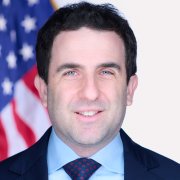
William Gordon
MD, MBI, FAMIA
- Faculty Co-Director, Technology-Enabled Care Delivery: From Digital Medicine to AI
- Staff Physician, Brigham and Women's Hospital
- Assistant Professor of Medicine and Biomedical Informatics, Harvard Medical School

Ariel Stern
PhD
- Faculty Co-Director, Technology-Enabled Care Delivery: From Digital Medicine to AI
- Alexander von Humboldt Professor, Chair for Digital Health, Economics & Policy, Hasso Plattner Institute, University of Potsdam
- Adjunct Professor, Windreich Department of Artificial Intelligence & Human Health, Icahn School of Medicine at Mount Sinai
Chenzhe Cao
Director, AI Literacy and Acceleration, Mass General Brigham
Ludovico Cavallaro
Doctoral Researcher, Department of Digital Health, Economics and Policy, Hasso Plattner Institute, University of Potsdam
Adam Landman, MD, MS, MIS, MH
Chief Digital Information Officer, Brown University Health
Professor of Emergency Medicine, Warren Alpert Medical School of Brown University
Jochen K. Lennerz, MD, PhD
Medical Director, Natera
Mark Sendak, MD, MPP
Co-Founder and CEO, Vega Health
Carmel Shachar, JD, MPH
Assistant Clinical Professor of Law, Center for Health Law and Policy Innovation, Harvard Law School
Faculty Director, Health Law and Policy Clinic, Center for Health Law and Policy Innovation, Harvard Law School
Program Fee
Program fees do not include educational materials. For more information, visit Learner Policies.
| Program Fee | |
|---|---|
| Final Registration Deadline: September 16, 2026 | $8,500 |
Learner Stories and Insights


Bridging Innovation and Practice in the Digital Health Era
Health systems are embracing digital and AI innovations, but only those aligned with policy, payment, and operations will truly change how clinicians care for patients.

Making AI Matter: A Leadership Playbook for Health Care Organizations
Strategic AI adoption in health care depends less on the technology itself and more on evidence-based decision-making, thoughtful leadership, and cultures that align innovation with real clinical workflows.

How Three Harvard Medical School Experts See AI Reshaping Health Care Delivery
AI is reshaping medicine by enhancing care, safety, and education. Experts stress thoughtful use, equity, and human judgment to ensure technology augments, not replaces, clinicians.
Request Information & Download the Program Brochure
Complete the form to receive the brochure, featuring curriculum details, a sample schedule, and program highlights.