
Optional Online Pre-Course Workshops
One day prior to the start of the Herbert Benson, MD Course in Mind Body Medicine, you have the opportunity to expand your education with three online pre-course workshops. Each workshop will be recorded and available to registrants for viewing, at their convenience, for 90 days following the course.
(If you choose both workshops that stream live on Wednesday afternoon, you can attend one of them live online and review the other as a recording after the completion of the course. CME credit will be available to all registrants.)

Mind Body Approaches to Weight Management
Under the direction of Shalu Ramchandani, MD
Wednesday, October 21, 9:00 am – 12:10 pm, US Eastern Time
ONLINE, LIVE STREAMING
Weight regulation involves intricate biological and physiological processes. Traditional methods for managing weight encompass advocating for physical activity, balanced nutrition, pharmacotherapy, and surgical interventions for eligible individuals. This workshop delves into the myriad ways in which chronic stress can influence weight regulation. Psychosocial stress, often underestimated, significantly affects self-care practices, thereby predisposing individuals to noncommunicable diseases such as obesity. Mind Body Medicine harnesses the evidence-based effects of thoughts, beliefs, behaviors, and emotions to promote health and reduce stress.
In this workshop, you will learn:
- Epidemiological and pathophysiological evidence regarding obesity as a chronic disease and the mechanisms underlying body weight regulation.
- The detrimental effects of chronic stress on metabolism and weight regulation, manifested through maladaptive behaviors, altered self-regulation, and physiological changes.
- Biological targets and mechanisms involved in pharmacotherapeutic approaches to treating obesity.
- The significance of regular physical activity, nutritious diet, and restorative sleep in weight regulation.
- Personal testimonials illustrating the impact of the Benson-Henry Institute’s Stress Management and Resiliency Training (SMART) program on patients’ ability to enhance their self-care practices.
Mind Body Approaches to Weight Management | |
Overview of Obesity: Epidemiology, Pathophysiology, Pharmacotherapy | 9:00-10:00 am |
Optimizing Weight Management: The Role of Physical Activity, Sleep, and Nutrition | 10:00-10:50 am |
| Break | 10:50-11:00 am |
Unpacking the Weight: How Chronic Stress Fuels Obesity and Mind Body Strategies Fight Back | 11:00-11:40 am |
Panel Discussion: Patients’ Perspectives on Mind Body Techniques for Self-Care | 11:40 am-12:10 pm |

Group Medical Visits to Guide Patients to Healthier Lifestyle Behaviors
Under the direction of Jacob Mirsky, MD, FACLM
Wednesday, October 21, 1:00 – 4:00 pm, US Eastern Time
ONLINE, LIVE STREAMING
Group medical visits—both in-office and online—are becoming increasingly popular tools in primary care and specialty practices to help patients make healthy lifestyle changes for:
- Symptom and chronic disease management
- Disease prevention
This workshop provides a practical, evidence-based introduction to group medical visits with an immersive, fast-paced, 360-degree educational experience.
EDUCATIONAL HIGHLIGHTS
Learn about how group medical visits can promote health from four critical perspectives:
Clinical Perspectives
- Types of conditions that are appropriate for group medical visits
- Considerations of population and cultural factors in running group medical visits
- Impact of group medical visits on patient outcomes
- Connection between stress and chronic conditions and its role of group medical visit
Patient Perspectives
- What a group visit looks like for a patient
- Strategies for encouraging patients to join group medical visits
Provider Perspectives
- How a provider can run group medical visits in practice
- Impact of group medical visits on provider satisfaction and burnout
Practice Perspectives
- Length and structure of a group visit
- Strategies for training providers to run group medical visits
- Nuts and bolts of billing and documentation
- Staffing needed to support group medical visits
- Resources and references
Group Medical Visits to Guide Patients to Healthier Lifestyle Behaviors | |
Welcome and History of Group Medical Visits | 1:00-1:25 pm |
Clinical Considerations and Benefits for Putting Group Medical Visits into Practice | 1:25-2:00 pm |
Administration and Billing of Group Medical Visits | 2:00-2:15 pm |
| Break | 2:15-2:30 pm |
Virtual Group Medical Visits in the Massachusetts General Hospital (MGH) Healthy Lifestyle Program: Patient and Provider Perspectives | 2:30-2:55 pm |
Logistics and Tips for Running a Group Medical Visit | 2:55-3:10 pm |
Q&A and Panel Discussion: Invaluable Lessons Learned Through Our Experience of Group Medical Visits Across MGH | 3:10-4:00 pm |

Mind Body Approaches to Trauma-Informed Care
Under the direction of L. Elizabeth Lincoln, MD and John Denninger, MD, PhD
Wednesday, October 21, 1:00 – 5:00 pm, US Eastern Time
ONLINE, LIVE STREAMING
Traumatic experiences are highly prevalent and have profound effects on patients and clinicians alike. This new workshop teaches mind body approaches to trauma‑informed care, with a focus on enhancing:
- Safety
- Therapeutic presence
- Resilience in clinical encounters
Education to improve patient care and outcomes includes:
- Updates on the effects of trauma and post‑traumatic stress on the nervous system and patient behavior
- Evidence‑based mind body practices that support healing while avoiding re-traumatization
- Guidance to incorporate these practices into your approaches to patient care
Education to improve clinician self-care includes:
- Practical tools to support your well‑being while caring for patients with trauma histories
- Self‑compassion and resilience skills to prevent clinician burnout
Mind Body Approaches to Trauma-Informed Care | |
Welcome and Announcements | 1:00-1:10 pm |
How to Incorporate Trauma-Informed Care into the Patient Encounter | 1:10-2:00 pm |
Practical Skills: Role Play | 2:00-2:15 pm |
What Clinicians Need to Know About How Trauma Effects Patients' Physical and Mental Health and Behavior | 2:15-3:00 pm |
| Break | 3:00-3:15 pm |
Mind Body Approaches to Facilitating Mindful Self-Compassion Among Clinicians Treating Post-Traumatic Stress | 3:15-4:00 pm |
Practical Skills: Grounding Techniques | 4:00-4:15 pm |
Trauma-Informed Care in Intensive PTSD Treatment: Safety, Agency and Momentum | 4:15-4:45 pm |
Panel Discussion and Q & A | 4:45-5:00 pm |
PLEASE NOTE
- These pre-course workshops are only offered as live streaming
- Each workshop will be recorded and made available online for registrants of each one to view at their convenience for 90 days
- These online pre-course workshops are only available to participants of The Herbert Benson, MD Course in Mind Body Medicine (October 22–24, 2026)
- To optimize the value of these workshops for each participant, registrations will be limited and accepted on a first-come, first-served basis
- To be assured a place in these programs, early registration is advised
Workshop Directors

- Instructor in Medicine, Harvard Medical School
- Diplomate, American Board of Obesity Medicine
- Staff Physician, Benson-Henry Institute for Mind Body Medicine, Massachusetts General Hospital
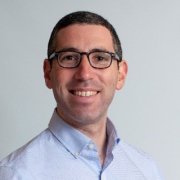
Jacob Mirsky
MD, FACLM
- Assistant Professor of Medicine, Harvard Medical School
- Staff Physician, Benson-Henry Institute for Mind Body Medicine
- Medical Director, Division of General Internal Medicine Healthy Lifestyle Program, Massachusetts General Hospital
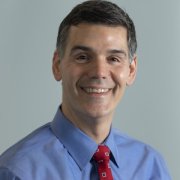
John W. Denninger
MD, PhD | Course Director
- Director of Integrative Science and Clinical Training, Benson-Henry Institute for Mind Body Medicine
- Associate in Psychiatry, Massachusetts General Hospital
- Senior Mentor, MGH/McLean Psychiatry Residency Research Concentration Program
- Instructor in Psychiatry, Harvard Medical School

- Assistant Professor of Medicine, Harvard Medical School
- Staff Physician, Benson-Henry Institute for Mind Body Medicine, Massachusetts General Hospital