
Teaching with Intention: Bridging Clinical Practice and Medical Education
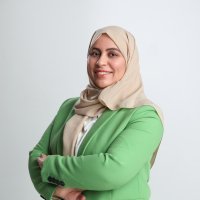
“The greatest value comes from engaging openly with the material and being ready to question how and why you teach, especially in clinical settings."
Ranyah Alsaif is a physical therapist with nearly a decade of clinical experience across inpatient and outpatient settings. After transitioning into academic and clinical teaching roles as a teaching assistant and clinical course coordinator, she sought to deepen her expertise as an educator and enrolled in Harvard Medical School’s Training to Teach in Medicine certificate program.
Her professional path uniquely integrates patient-centered clinical care with structured instruction in laboratory, simulation, and clinical environments. At the core of Alsaif’s work is a sustained commitment to strengthening clinical reasoning and advancing competency-based learning for future health care professionals, ensuring that students are equipped not only with knowledge but also with the judgment and skills required for real-world practice.
Moving Beyond Clinical Expertise
As she transitioned further into academic and clinical education, Alsaif recognized the importance of grounding her teaching in structured, evidence-based frameworks. She sought to formalize her approach, refine her assessment and feedback strategies, and align her clinical expertise with a more intentional educational practice.
“I became increasingly aware that effective clinical teaching requires more than subject knowledge,” she says. “It requires intentional educational design, appropriate assessment strategies, and a deep understanding of how learners develop in real clinical environments.”
Her goal was to cultivate a more profound understanding of the design of learning experiences that support clinical reasoning, competency development, and learner engagement, instead of relying on intuition alone.
A Shift Toward Learner-Centered Teaching
The Training to Teach in Medicine program had a meaningful impact on both her professional practice and personal growth as an educator. Professionally, it introduced a clear structure and shared language for the intentional design of clinical teaching, particularly in aligning learning objectives, instructional strategies, and assessment methods. This framework boosted her confidence and enabled a more systematic and purposeful approach to clinical education.
On a personal level, the experience prompted significant reflection. “Previously, I concentrated on the delivery of content,” she notes. “However, I have since transitioned to a focus on the development and progression of learners over time.”
This shift reshaped how she mentors students and collaborates with colleagues. By focusing on learner development rather than just content delivery, Alsaif reinforced her commitment to fostering growth for both herself and the students she teaches.
Advancing Clinical Education Through Capstone Work
For her capstone project, Alsaif focused on strengthening clinical teaching by supporting the professional development of clinical instructors. The project examined how educational frameworks and adult learning principles could be integrated more intentionally within clinical environments, while also encouraging instructors to consider their own pedagogical growth.
“The reason for starting this project,” she explains, “was to recognize important problems in clinical education, especially the need for organized support, useful assessments, and opportunities for teachers to think about their own teaching.”
Although Alsaif has not yet fully implemented the project, its framework is already shaping her practice. She has incorporated its principles into the design of clinical sessions, structured feedback conversations, and thoughtful discussions with learners. Her capstone was recognized among the top projects in the program, affirming its relevance and practical impact.
Learning Within a Global Community
For Alsaif, a particularly memorable aspect of the program was the opportunity to learn alongside a diverse, international cohort of health care professionals.
“Thoughtful reflection characterized the discussions,” she recalls, “often prompting participants to engage in introspection regarding their own assumptions as educators.”
Faculty mentorship and peer dialogue created a collaborative environment grounded in contemplation and continuous learning. Observing the faculty model, the reflective teaching practices further reinforced the importance of intentionality in medical education, an approach Alsaif continues to carry forward in her own work.
Advice for Future Participants
For clinicians considering the program, Alsaif encourages approaching the experience with openness and curiosity: “The greatest value comes from engaging openly with the material and being ready to question how and why you teach, especially in clinical settings.”
She emphasizes that the program is particularly meaningful for clinicians who wish to move beyond content delivery and develop a more intentional, learner-centered approach to education.
“Both challenging and rewarding, the experience offers tools that can have a lasting impact not only on how educators teach, but also on how they support the growth and development of future health care professionals,” she adds.
Written by: Pamela Searle