Strengthening Veterinary Medical Education Through Evidence-Based Teaching
"It gives you such a solid foundation as a medical educator by introducing you to the basics of adult learning and cutting-edge teaching techniques. For me, it was a springboard for becoming a better educator."
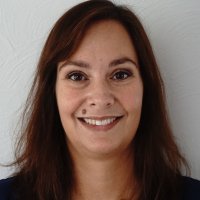
Miriam Talaat, DVM, DACVS, is a board-certified small animal veterinary surgeon and assistant clinical professor at Cummings School of Veterinary Medicine at Tufts University. She completed her residency at Cummings School in 2006 and spent most of her career in private practice before returning to Tufts as a faculty member in October 2023. After years in clinical practice, stepping back into academia made her realize that she wanted more formal preparation in the craft of teaching medicine. She enrolled in Harvard Medical School’s Training to Teach in Medicine certificate program to build a stronger foundation in educational theory and the skills to contribute more confidently to conversations about medical education at her institution.
Building a Foundation in Medical Education
When she returned to teaching, Talaat quickly recognized the need to strengthen her preparation as a medical educator. “I wanted more formal training in how to teach medicine,” she explains. The Training to Teach in Medicine program stood out for its focus on practical instructional strategies and its flexible online format, which fit seamlessly with her clinical and academic responsibilities. She enrolled with the goal of enhancing her effectiveness across both the pre-clinical and clinical curricula.
Applying Adult Learning in Everyday Teaching
Through the program, Talaat developed a strong grounding in the principles of adult learning and gained practical strategies that she applies in her daily work, including the feedback frameworks and group teaching techniques. When tasked with revamping a course, she leaned heavily on the adult learning concepts and instructional structures to redesign both the content and delivery. “The knowledge and vocabulary I gained allowed me to feel more confident and participate more fully in education discussions with colleagues,” she notes.
Designing a Capstone to Support Student Success
Her capstone project addressed a common challenge faced by veterinary students: the transition from undergraduate education into the fast-paced, high-volume learning environment of veterinary school. After studying effective learning strategies and reading Make It Stick: The Science of Successful Learning during the program, Talaat proposed creating a structured course to teach students evidence-based study skills. With institutional support, she developed and implemented a five-module course delivered during orientation and the first semester for incoming students. Each session blended concise lectures with structured group work so that students could immediately apply the concepts. The initiative was well-received and has since become a permanent part of orientation moving forward.
Learning by Example
One of the most meaningful aspects of the experience, she shares, was seeing the faculty embody the principles they taught. “I really appreciated that the faculty walked the talk,” Talaat reflects. Observing these strategies in practice made it easier to implement them in her own teaching. She also valued the faculty’s willingness to solicit participant input and tailor content to the needs and interests of the cohort.
A Springboard for Growth
Reflecting on her experience, Talaat describes the program as transformative. “I highly recommend the Training to Teach in Medicine program,” she says. “It gives you such a solid foundation as a medical educator by introducing you to the basics of adult learning and cutting-edge teaching techniques. For me, it was a springboard for becoming a better educator.”
Written by: Pamela Searle